
Contact
About
Articles by

Macquarie Island: a true wildlife hotspot
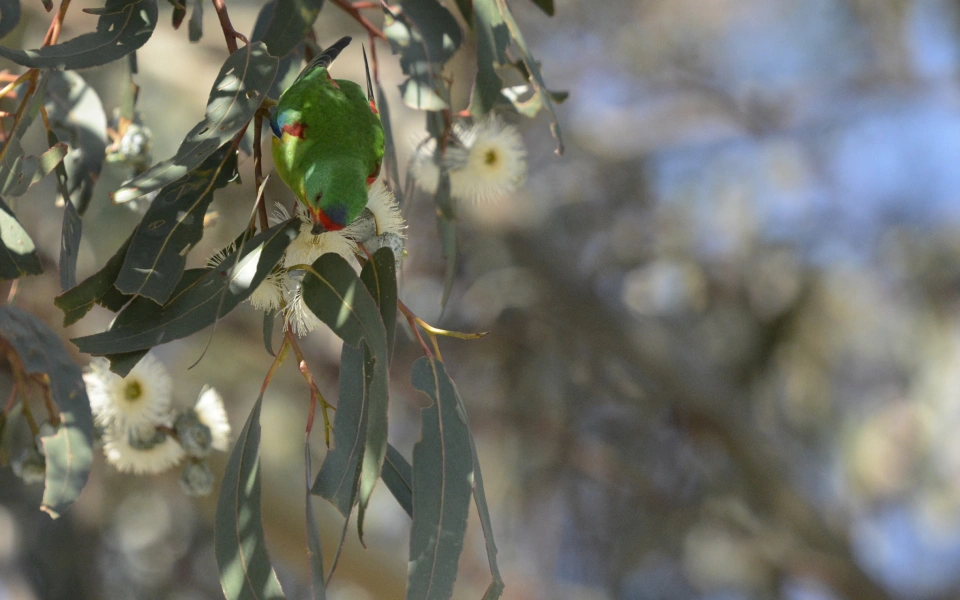
Threatened species: don't wait, act now
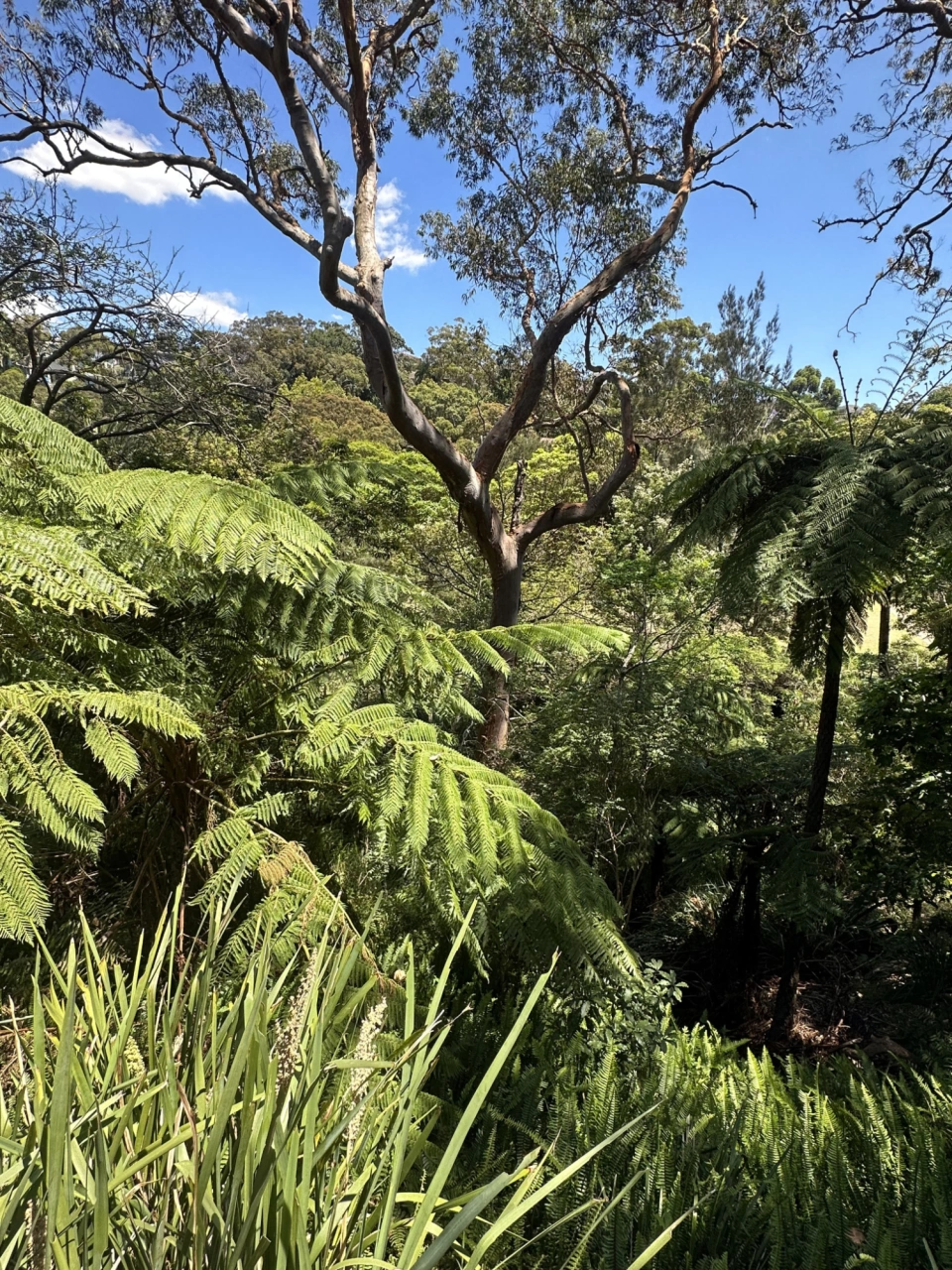
The Wild Wonders of Mosman

Saving the forty-spotted pardalote

Basuranggola: A Recycled Kite Festival

A tale of the Laspur-Kumrat Trek

The Lancet Planetary Health Diet
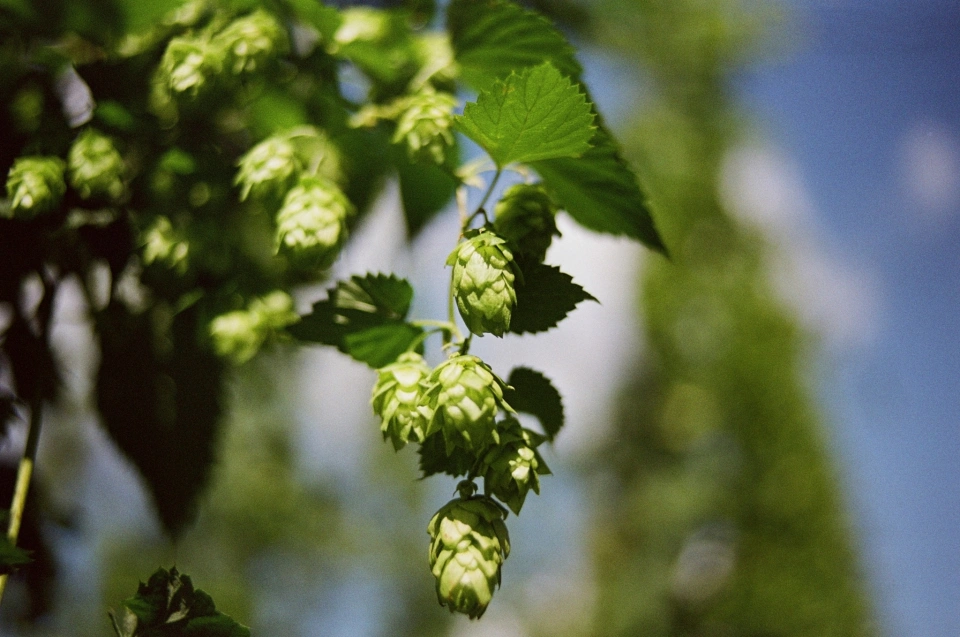
Connection to Nature with former Gunns Plains Hop Farmer Mick Dudgeon

The Edge of the Sea: Buruanga Coastal Fringe

Nature Is Speaking – Julia Roberts is Mother Nature Conservation International (CI)

The amazing migration
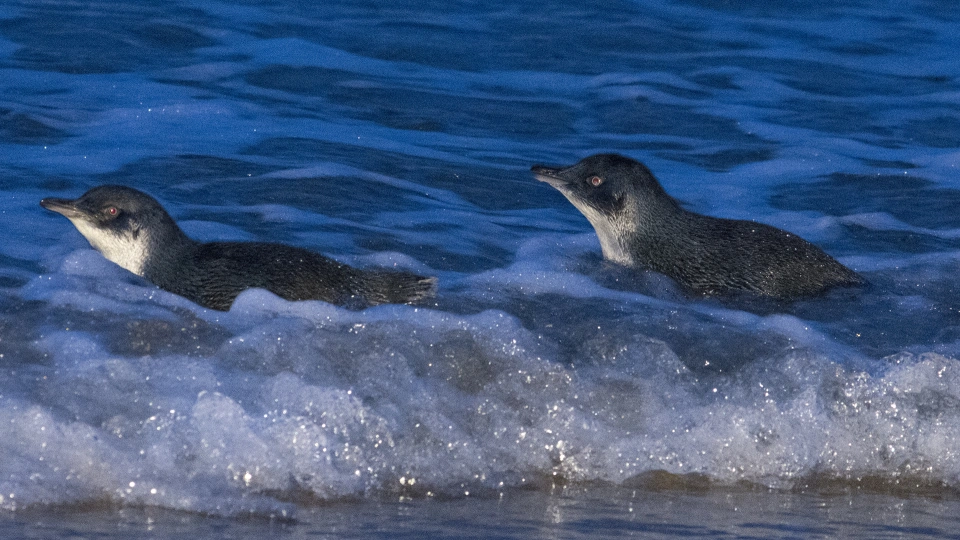
Bruny Youth Stories Prize
Galleries by
Rockhopper penguins
The dramatic-looking rockhopper penguin is characterised by its red eyes, upright yellow head feathers along a supercilium stripe and a crest of black feathers on top. They are separated into three sub-species, photographer here by ecologist Dr Eric Woehler (OAM) and located around the Antarctic and sub-Antarctic zones.
Wildlife of Antarctica
Antartica, the Southern Ocean and the sub-Antarctic islands host a rich variety of extraordinary life, including penguins, seals, and whales
The Frozen Continent
The wild and special continent of Antarctica - captured by outdoor educator and guide Ewan Blyth.
Dusky dolphin: ocean acrobat
The dusky dolphin is one of the smaller dolphin species with a maximum weight of about 85 kilograms and a length, of just over two metres. The dusky dolphin is a social species, known for its agility and coordinated acrobatic abilities.
Sweden by winter
The winter in Sweden is long, dark and hard. But also incredibly beautiful.
'Fjällen' - the Swedish Mountains
The Scandinavian mountain range, the Scandes, runs through the border between Sweden and Norway. It covers most of Norway and stretches into the north-west regions of Sweden. These mountainous areas form some of Sweden's most remarkable wilderness.
Wildlife of Chitral & Gilgit Baltistan
Snow leopards, golden marmot, markhor, golden eagles, lynx, and other wildlife species frequent the extraordinary region of Chitral & Gilgit Baltistan in Northern Pakistan
Panay, Philippines
The triangle-shaped island of Panay is the sixth-largest of the Philippines archipelago, and has an amazing array of landscapes and biodiversity hotspots, including the Central Panay Mountain Range. As the fourth-most populous island of the Philippines, it is also facing conservation challenges.
The Joshua Tree
Joshua Tree National Park was once described by early explorers as a “profitless locality” and that it “shall be forever unvisited”.
A bit of time, visitation by those with a more discerning eye and the efforts of a determined woman resulted in the protection of a treasured place.
Zion National Park, Utah
The two thousand-foot deep red sandstone canyon through Zion National Park is a majestic masterpiece, carved out over ancient time by the Virgin River. Known for its intense seasonal colours and dramatic vistas and established in 1919, Zion is Utah's first National Park.
Tasmanian Marine life
Tasmania's marine environment is globally significant, with a rich mix of ecosystems and habitats fostering marine life found nowhere else on Earth
Beautiful rocks of Kunanyi
Kunanyi is shaped by ancient dolerite rock formations, sculpted over millions of years by ice, wind and rain. From towering cliffs to scattered boulders and caves, these photographers captures its beauty.
Galleries Contributed by
The Joshua Tree
Joshua Tree National Park was once described by early explorers as a “profitless locality” and that it “shall be forever unvisited”.
A bit of time, visitation by those with a more discerning eye and the efforts of a determined woman resulted in the protection of a treasured place.
Bruny Island - A Photographer's Paradise
Bruny Island is an island, off an island, off an island, surrounded by islands. Image: Nick Monk
Bruny Island wildlife
Bruny Island is a haven for rare and unique birds and animals, and is one of the best bird-watching spots in Australia.
Bruny Island Coastline
Bruny Island has an intricate, complex, beautiful and varied coastline, ranging from sheltered inlets, shallow bays, mudflats, lagoons, and grand sea-cliffs, through to long sandy ocean facing beaches.
Woodland birds
We all need a good visual dose of the wonder of Nature sometimes, and we can't always get outside from behind the desk, to breathe it in. Here, we bring it to you, with these beautiful close-ups of our unique woodland bird species, photographed by Tasmanian bird ecologist Dr Eric Woehler (OAM). Take a moment and enjoy.
Mosman Wildlife
Dozens of species of native animals frequent the remnant moist gullies and bushland of the Mosman peninsula, from the Eastern Water Dragon to Peron's Tree Frog and the endangered Powerful Owl
Rockhopper penguins
The dramatic-looking rockhopper penguin is characterised by its red eyes, upright yellow head feathers along a supercilium stripe and a crest of black feathers on top. They are separated into three sub-species, photographer here by ecologist Dr Eric Woehler (OAM) and located around the Antarctic and sub-Antarctic zones.
Wildlife of Antarctica
Antartica, the Southern Ocean and the sub-Antarctic islands host a rich variety of extraordinary life, including penguins, seals, and whales
Sweden by winter
The winter in Sweden is long, dark and hard. But also incredibly beautiful.
The Frozen Continent
The wild and special continent of Antarctica - captured by outdoor educator and guide Ewan Blyth.
Black Bluff & Winterbrook
Black Bluff and Winterbrook are two jewels on the north coast of Tasmania.
Wildlife of Chitral & Gilgit Baltistan
Snow leopards, golden marmot, markhor, golden eagles, lynx, and other wildlife species frequent the extraordinary region of Chitral & Gilgit Baltistan in Northern Pakistan