
Contact
About
Articles by
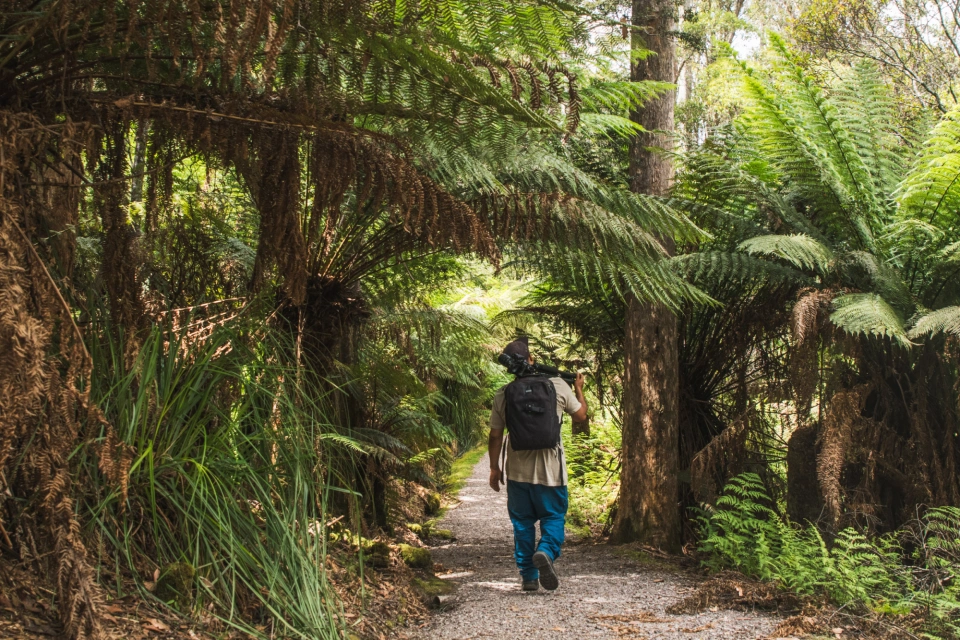
The health benefits of nature
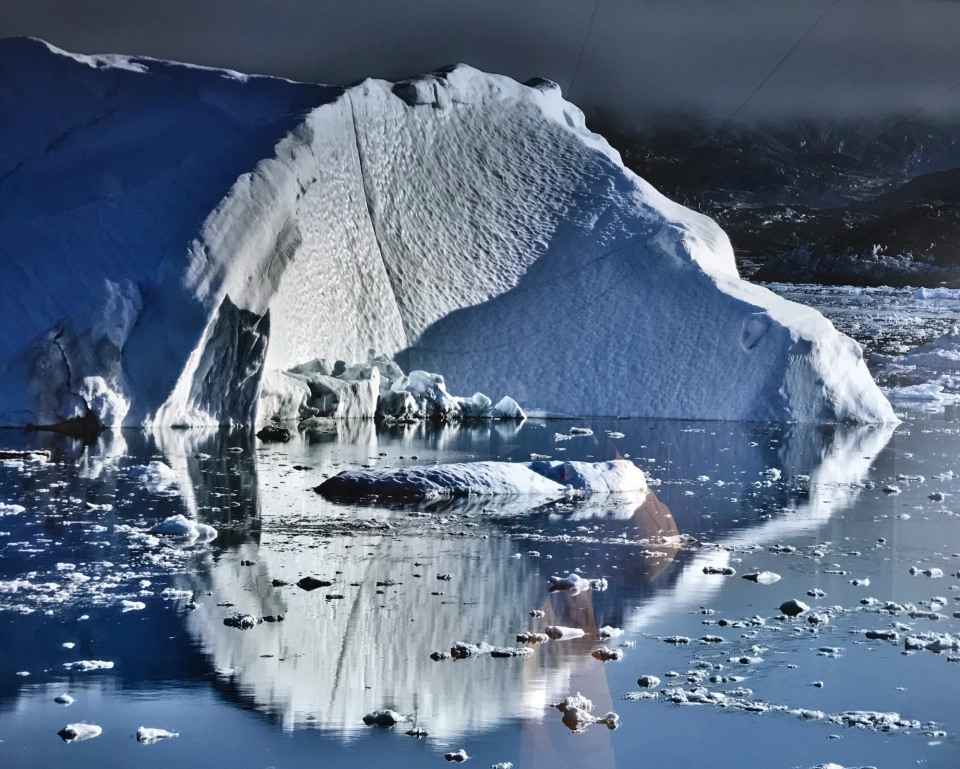
A campaigner's life: taking the opportunities

The harbour we remember, and the one we need to restore

Genetic diversity and saving the forty spotted Pardalote

Lesson 1: Connect with your corner of Earth
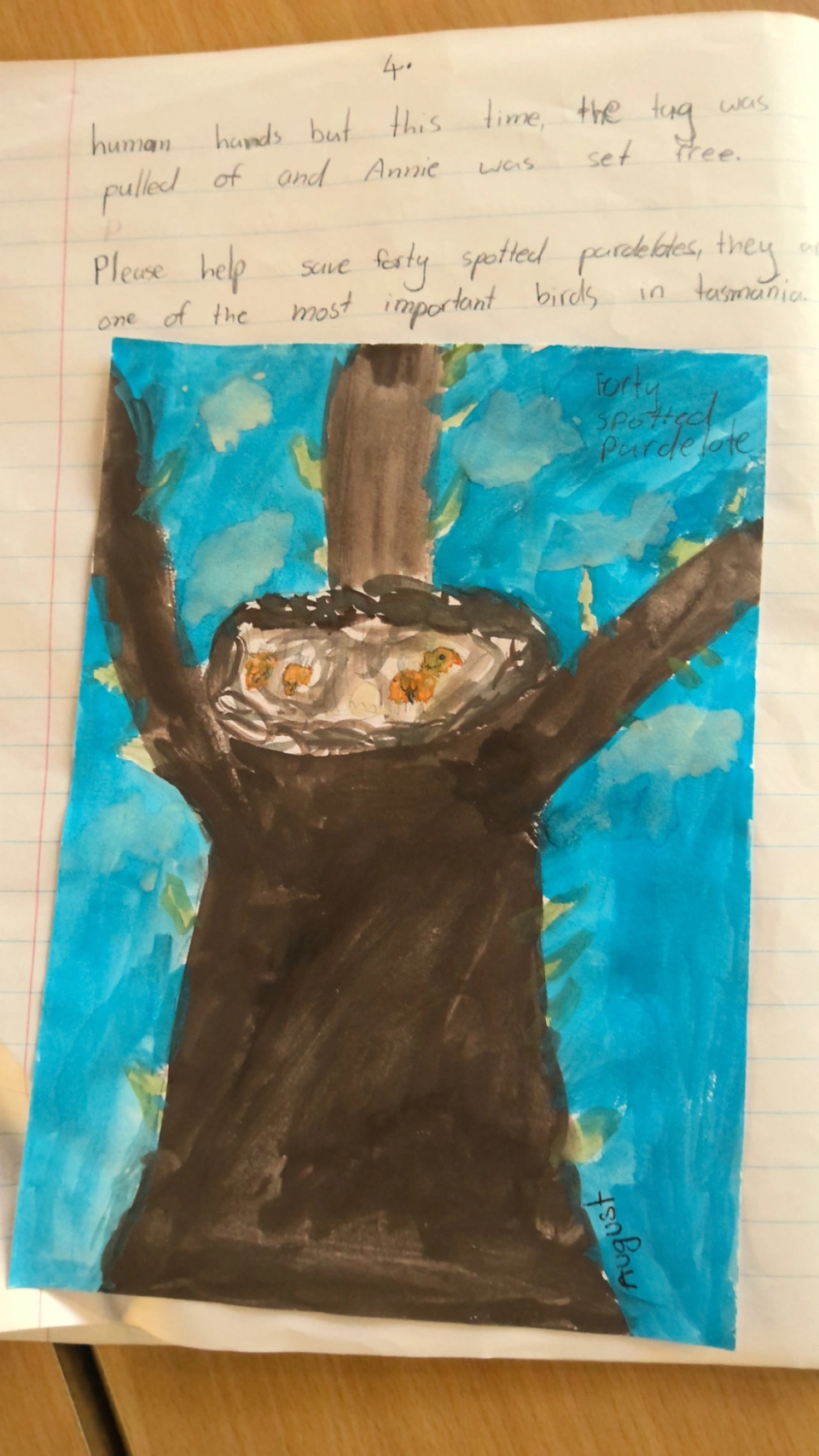
Bruny Youth Stories Prize

After dark – The glorious nightlife of Bruny Island

A thriving island arts community

The great Tasmanian bird count
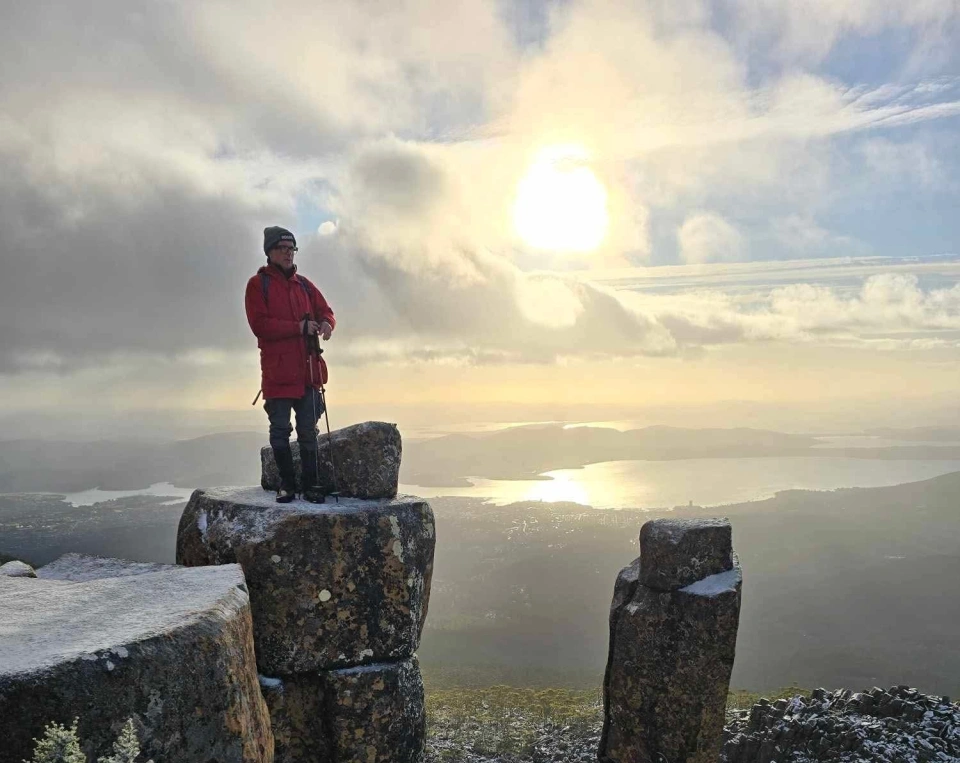
Time in nature is medicine

The Peace Garden

On Folktales and conservation: Mararison Island
Galleries by
Birds of the Atlantic Forest
The Atlantic Forest is one of the most biodiverse forests in the world including almost 1000 bird species. Here are a few of these birds from photographer Marcio Conrado.
Tasmanian Marine life
Tasmania's marine environment is globally significant, with a rich mix of ecosystems and habitats fostering marine life found nowhere else on Earth
Launching in Hobart
In another successful launch event for Kuno, a big crowd turned out in Hobart on the 1st of October 2024 to hear more about the project, meet the team behind the vision, hear from inspiring speakers and network with other Nature lovers. Thank you Hobart for your support!
Zion National Park, Utah
The two thousand-foot deep red sandstone canyon through Zion National Park is a majestic masterpiece, carved out over ancient time by the Virgin River. Known for its intense seasonal colours and dramatic vistas and established in 1919, Zion is Utah's first National Park.
Pelagic Birds of Tasmania
Pelagic birds are birds that spend a large part of their life on the open ocean. These include the majestic Albatross, petrels and terns. This gallery of Pelagic birds by Marcio Conrado was taken off the Tasman Peninsula
Duco - redemption in nature
Imagery from the life of Duco, a Brazilian environmentalist, nature and bird-guide who found redemption in nature
Dark Sky Sanctuaries
The aurora australis lights the skies of Southwest Tasmania. The next Dark Sky Sanctuary? Image: Dan Broun
Landscapes of Chitral & Gilgit-Baltistan
Mountains, valleys, alpine lakes and green pastures - the beauty of Chitral & Gilgit-Baltistan.
'Fjällen' - the Swedish Mountains
The Scandinavian mountain range, the Scandes, runs through the border between Sweden and Norway. It covers most of Norway and stretches into the north-west regions of Sweden. These mountainous areas form some of Sweden's most remarkable wilderness.
Dusky dolphin: ocean acrobat
The dusky dolphin is one of the smaller dolphin species with a maximum weight of about 85 kilograms and a length, of just over two metres. The dusky dolphin is a social species, known for its agility and coordinated acrobatic abilities.
The fairy tern: tiny beach nester
The fairy tern is a similar size to a hooded plover - so tiny, it would sit comfortably in the palm of your hand. They lay just two eggs, onto the beach sand. See these remarkable images from Tasmanian-based bird ecologist Dr Eric Woehler.
Black Bluff & Winterbrook
Black Bluff and Winterbrook are two jewels on the north coast of Tasmania.
Galleries Contributed by
takayna / Tarkine
Takayna / Tarkine is a hugely diverse wild landscape with an extraordinary history. Largely unprotected this region has huge potential for national park and world heritage status.
Mosman Wildlife
Dozens of species of native animals frequent the remnant moist gullies and bushland of the Mosman peninsula, from the Eastern Water Dragon to Peron's Tree Frog and the endangered Powerful Owl
Dark Sky Sanctuaries
The aurora australis lights the skies of Southwest Tasmania. The next Dark Sky Sanctuary? Image: Dan Broun
Launching in Hobart
In another successful launch event for Kuno, a big crowd turned out in Hobart on the 1st of October 2024 to hear more about the project, meet the team behind the vision, hear from inspiring speakers and network with other Nature lovers. Thank you Hobart for your support!
Southwest National Park, Tasmania
Southwest National Park in Tasmania is a vast, mostly trackless wilderness containing ancient forests, the wildest rivers, a glaciated and mountainous landscape and a spectacular coastline with rich aboriginal history.
The fairy tern: tiny beach nester
The fairy tern is a similar size to a hooded plover - so tiny, it would sit comfortably in the palm of your hand. They lay just two eggs, onto the beach sand. See these remarkable images from Tasmanian-based bird ecologist Dr Eric Woehler.
The Joshua Tree
Joshua Tree National Park was once described by early explorers as a “profitless locality” and that it “shall be forever unvisited”.
A bit of time, visitation by those with a more discerning eye and the efforts of a determined woman resulted in the protection of a treasured place.
The Birds of Chitral & Gilgit Baltistan, Pakistan
The diverse avifauna of Chitral and Gilgit-Baltistan, Pakistan, includes, but not limited to a fascinating array of species locally known by distinct names that reflect the region’s cultural and ecological identity.
Sweden by winter
The winter in Sweden is long, dark and hard. But also incredibly beautiful.
Dusky dolphin: ocean acrobat
The dusky dolphin is one of the smaller dolphin species with a maximum weight of about 85 kilograms and a length, of just over two metres. The dusky dolphin is a social species, known for its agility and coordinated acrobatic abilities.
'Fjällen' - the Swedish Mountains
The Scandinavian mountain range, the Scandes, runs through the border between Sweden and Norway. It covers most of Norway and stretches into the north-west regions of Sweden. These mountainous areas form some of Sweden's most remarkable wilderness.
The Frozen Continent
The wild and special continent of Antarctica - captured by outdoor educator and guide Ewan Blyth.