Bruny Island
Curated by Dr Tonia Cochran and 17 others
Bruny hosts a rich human history, highly varied and exquisite natural landscapes, and is a wonderful place to find peace, solitude and to connect with wild nature.
kunanyi Sunset from Bligh Point landscape
About the region
Find peace, solitude and connect with wild nature
Located off the south-east coast of Tasmania, Australia, Bruny Island is surround by the D'Entrecasteux Channel, Storm Bay and the Southern Ocean.
Bruny Island / lunawanna-alonnah has a rich human history extending back 40,000 years, and layers of history and stories both moving, tragic and inspiring, colour its landscapes.
The island is an extraordinary microcosm of the nature of Tasmania, with grasslands, grand forests, coastal shrubs, rich and magical marine habitats and long wild stretches of coastline. Rich in birdlife, Bruny provides home to the threatened Forty-Spotted Pardalote, the Swift Parrot and the Wedge-Tailed Eagle along with important breeding sites for the short-tailed shearwater. A colony of White wallabies inhabit the southern reaches of Bruny’s Adventure Bay.
Beneath the waves of Bruny island’s varied coastline, rocky reefs and sandy gulches provide home and habitat to extraordinary sea creatures from ‘Leatherjacket’ and ‘Flathead’ fishes, to Crayfish, Little Penguins and migratory whales.
Two Tree - Point Dan Broun
Mars Bluff - Jonathan Esling
Adventure Bay - Jonathan Esling
White Wallaby - Warwick Berry
Adventure Bay, Bruny Island
Bligh Rocks view to Cape Queen Elizabeth, Bruny Island
Mars Bluff walk, Bruny Island
Australian Fur Seal
Mars Bluff Jonathan Esling
Conservation
Preserving Bruny Island for future generations
Bruny Island is home to important areas of Old Growth forests, very high biodiversity values, and provides important habitat for threatened species including the Swift Parrot, Tasmanian Wedge-tailed eagle and Forty-Spotted Pardalote. The island is home to important threatened lowland and grassy vegetation communities and is of immense cultural heritage significance, including particularly to Tasmania’s Aboriginal community.
Conservation efforts for Bruny Island include the proposal to extend formal reserves and Parks on Bruny island, the need to secure permanent protection of Bruny Island’s native forests from logging, the eradication of feral cats, better protection of Bruny Island’s extraordinarily diverse and spectacular marine environment, and improved protection and care for nature on private land.
For more information, visit:
Conservation efforts for Bruny Island
See more conservation efforts
Connection to Country with Danny Gardner
Palawa Cultural Workshop: Danny Gardner & Cloudy Bay Supergroms
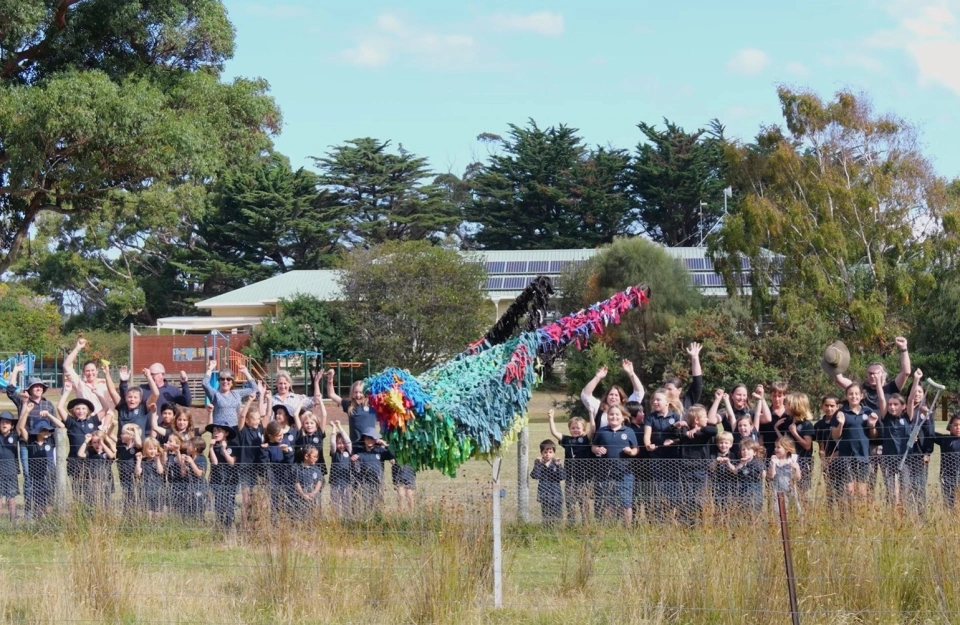
Slowing down for the Swifties
Open a book, step into nature
Creating critter card games to learn about Swift Parrots
Cloudy Bay Supergroms-sharing a love of oceans
A testament to the power of community conservation
Balancing tourism with sustainability
Things to Do
Visiting Bruny Island
Bruny Island (Nuenonne: Lunawanna-alonnah) is a critical refuge for a myriad of rare and threatened wildlife and a globally significant haven for birds.
Bruny Island Adventure Bay Jonathan Esling
Nature
Discover the plants and wildlife that call Bruny Island home
Bruny is home to wild beaches, rare birdlife, rugged sea-cliffs, a myriad of sea creatures, and ecosystems from kelp forests to coastal grasses and scrubland through to grand forests.
People have lived on Bruny Island for more than 40,000 years. The mighty sea-cliffs that presided over the first meetings between Europeans and the world’s oldest culture, remain much as they did more than 200 years ago - still clothed in forest, and hammered by the swells of the Southern Ocean. Seabirds that are now rare still make their homes on Bruny’s coasts.
White beaches stretch for uninterrupted miles, and the island’s convoluted coastline creates a huge diversity of marine habitats and spectacular coastal scenery. Beneath the waves, rocky reefs and sandy gulches provide home and habitat to extraordinary sea creatures from ‘Leatherjacket’ and ‘Flathead’ fishes, to Crayfish, Little Penguins and migratory whales.
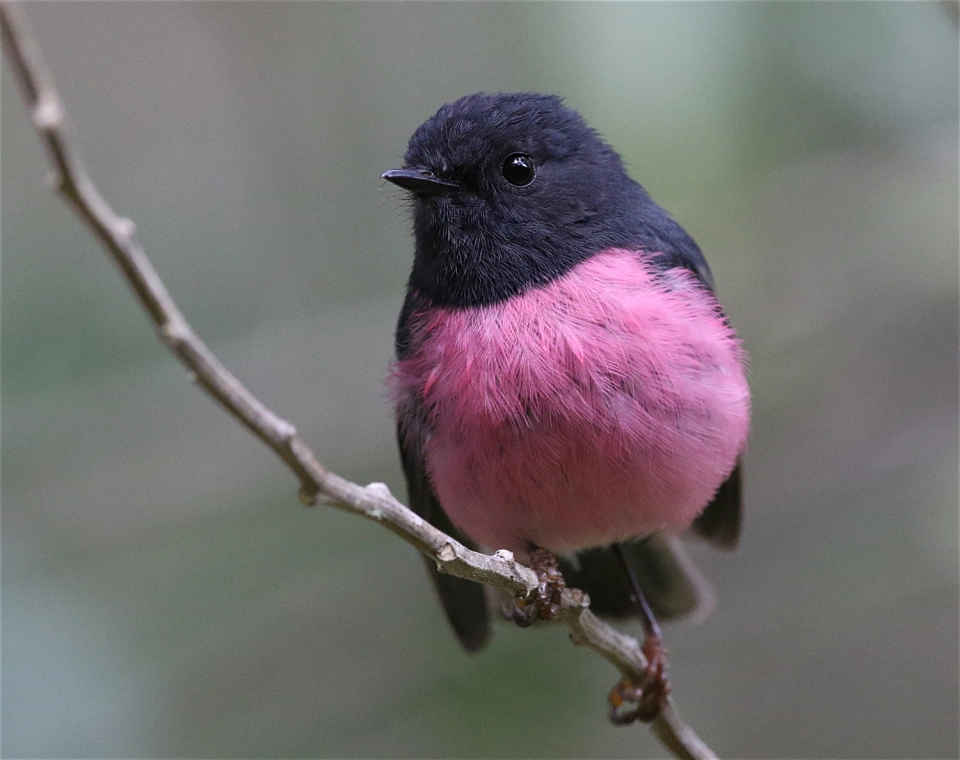
Bruny Island is rich in wildlife – from being a stronghold for the Eastern Quoll, whilst also being a globally significant bird area – with many birds including the threatened Forty-Spotted Pardalote, Swift Parrot, the Tasmanian Wedge-Tailed Eagle and the exquisite Pink Robin all found on Bruny.
The species of Bruny Island
See more natureTasmanian Pademelon
The Tasmanian pademelon is a small wallaby that inhabits the dense forests of Tasmania. Picture: Dan Broun
Yellow-throated Honeyeater
The yellow-throated honeyeater is a bird endemic to Tasmania, distinguished by its bright yellow throat. Picture by: Kim Murray
Hooded Plover
The hooded plover is a small shorebird endemic to southern and eastern Australia that lives and nests on ocean beaches. Picture: Kim Murray
Little Penguin
This little penguin, also known as the fairy penguin, weigh just under one kilogram. Adorably awkward on land, but a skilled predator in the sea, this cute little creature can be found in New Zealand and the southern coast of Australia. Image: Dr Eric Woehler
Eastern Quoll
This small marsupial was once common on mainland Australia, but were hunted to extinction by feral cats. It’s now only found wild in Tasmania.
Brush-Tailed Possum
The brush-tailed possum is a nocturnal marsupial native to Australia, with soft grey fur, a bushy tail, and large eyes adapted for night vision. Picture: Phill Pullinger
Green Rosella
The Green Rosella endemic to Tasmania, and a signature sight of the Tasmanian bushland. Picture: Eric Woehler
Tiger Snake
The tiger snake is a highly venomous snake native to southern Australia, including Tasmania. It is named for its distinctive banded pattern, which can vary in color. It's the most venemous snake found in Tasmania. Image: Phill Pullinger
Bennett's Wallaby
Bennett’s wallaby, also known as the Red-necked wallaby, is a medium-sized marsupial native to Tasmania and eastern Australia. Photo: Valeriia Miller
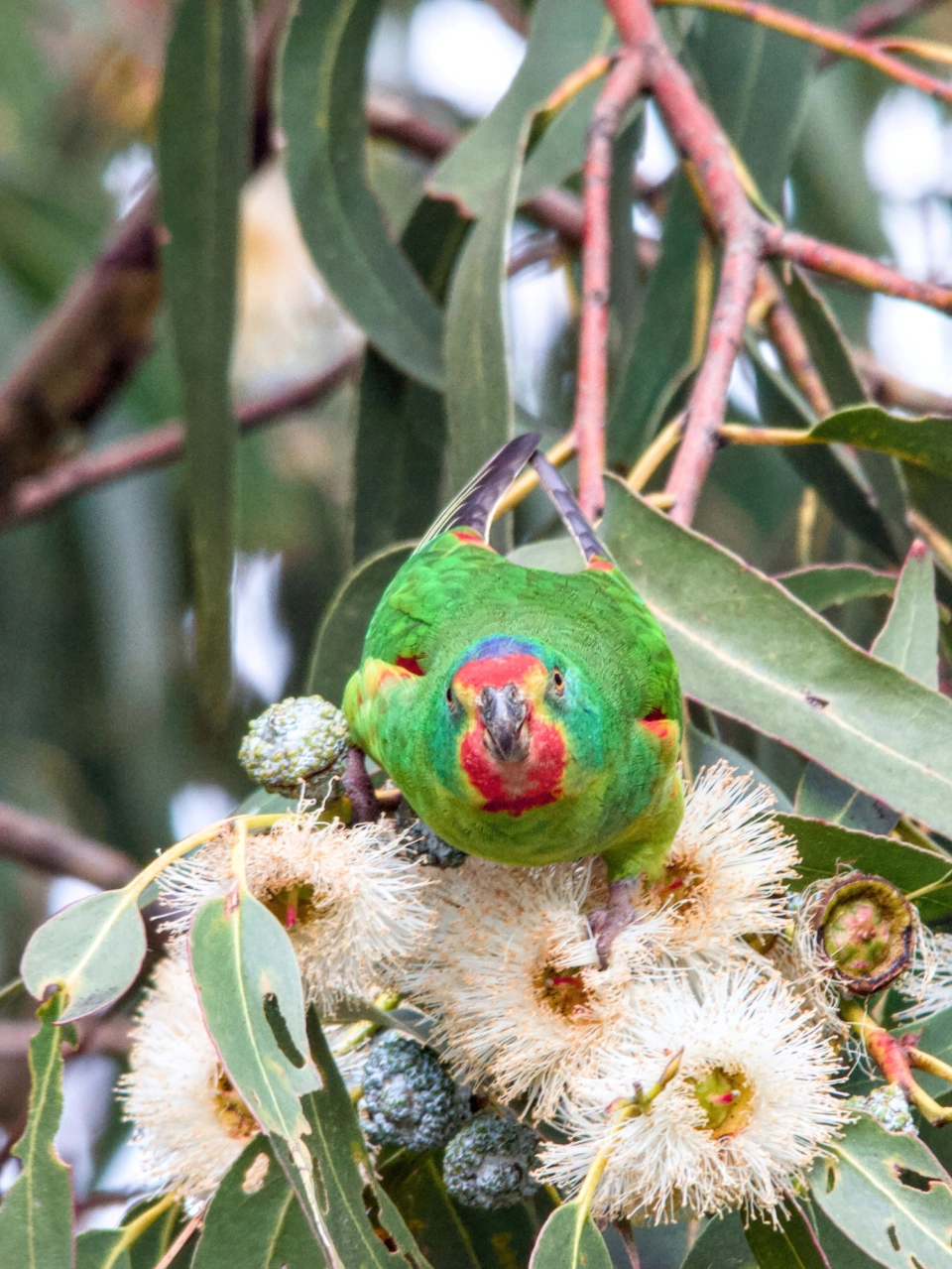
Swift Parrot
The critically endangered Swift Parrot is a species of broad-tailed parrot only found in south-eastern Australia. Image: Rob Blakers
Bruny Island galleries
See more galleriesTasmanian Marine life
Tasmania's marine environment is globally significant, with a rich mix of ecosystems and habitats fostering marine life found nowhere else on Earth
Bruny Island - A Photographer's Paradise
Bruny Island is an island, off an island, off an island, surrounded by islands. Image: Nick Monk
Dark Sky Sanctuaries
The aurora australis lights the skies of Southwest Tasmania. The next Dark Sky Sanctuary? Image: Dan Broun
Bruny Island Coastline
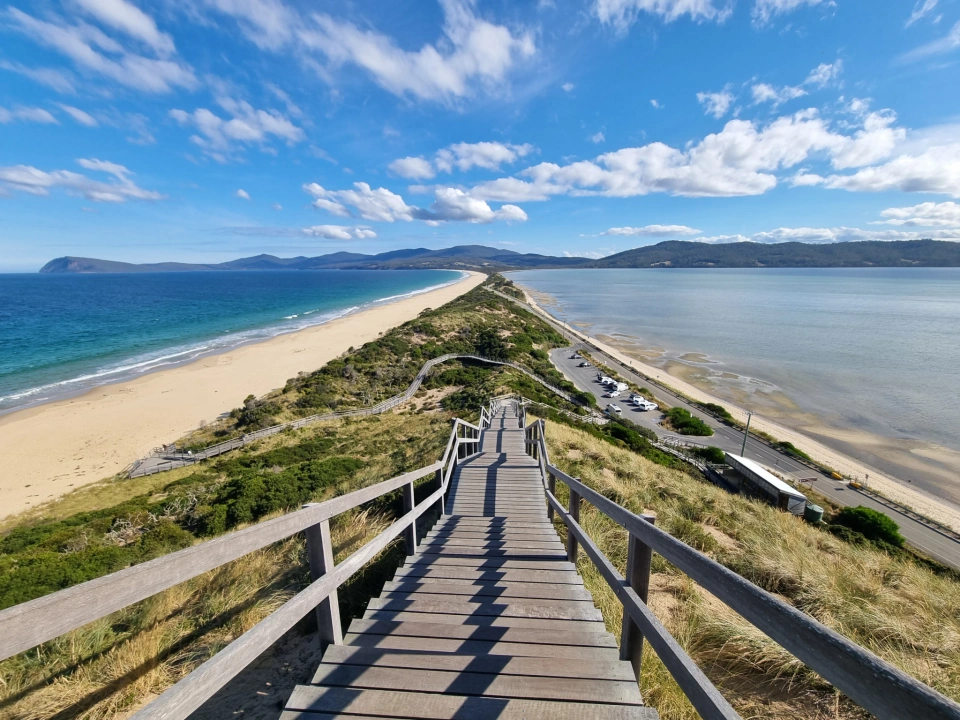
Bruny Island has an intricate, complex, beautiful and varied coastline, ranging from sheltered inlets, shallow bays, mudflats, lagoons, and grand sea-cliffs, through to long sandy ocean facing beaches.
Bruny Island wildlife
Bruny Island is a haven for rare and unique birds and animals, and is one of the best bird-watching spots in Australia.
Community
Engage with the Bruny Island community
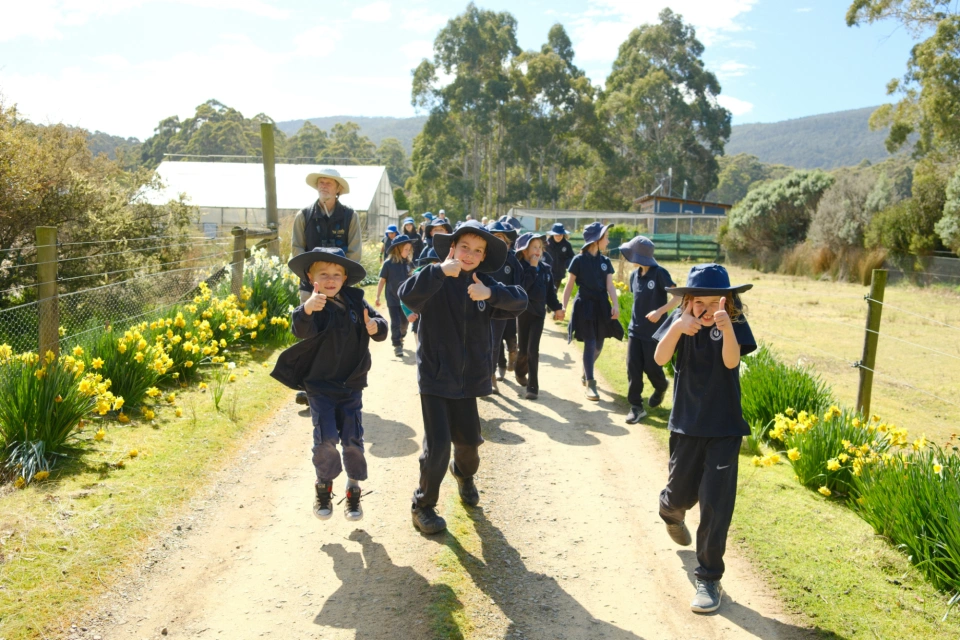
With a permanent population of about 600 plus a healthy community of ‘shackies’ that visit and stay on Bruny Island regularly, there is a rich nurturing community life on Bruny Island, with a proud people who have a strong sense of place and a deep love for their island.