
Life on Earth •
Conservation •
Kuno Foundation •
Fostering Love of Earth •
Kids & Nature Program •
Bruny Island
The role of gardens in schools-Wellbeing and Vitamin N
Bruny Island
Health is a no-brainer through growing, harvesting and cooking food from a school garden. Literacy and numeracy can be included in all kinds of garden or kitchen-based activities. With detailed lesson plans and concrete data out there to support the argument for school gardens, it really shouldn’t be too hard to convince the powers that be of their worth. This is especially true for schools in urban or suburban settings where time outside in nature is limited and lacking. But thinking about it from a child’s perspective, why do they love School Gardens so much? They aren’t focussed on the curriculum links or the targets being reached, they don’t get excited by the fact that we can cover yet another achievement standard in the garden. What is it about school gardens that gets kids motivated? Even kids who spend their life growing up amongst wild nature, like those on Bruny, seem to love lessons in the School Garden. Obviously there are those who enjoy the experiential aspect, the learning by doing.
There are those who refuse to garden at home with their parents in enormous and enviable veggie patches but will happily garden alongside their friends at school. When removed from the four walls of the classroom where they struggle to keep up with the pace of literacy and numeracy lessons, there are those who suddenly become confident, animated, and leaders in an area where they can share knowledge and strength. Importantly, gardens are non-competitive environments; the only measuring and comparing that goes on is the rate of growth of the pumpkins or the size of the compost worms. Naturally, most kids find learning in the garden fun…. but I think there’s more to it than that. In one of my roles as an educator in a community garden, my colleague and I talked with children a lot about the idea of a fictional ‘Vitamin N’ - the Nature vitamin. After several weeks of a garden based ‘Grow and Learn Program’ children were able to identify that time in nature was something that made them feel good. They recognised that unquantifiable feeling of wellness that wraps you up when you spend time in a garden or natural setting.

Recently, Tasmania’s very own Permaculture Guru and Climate Activist, Hannah Maloney donated her time and effervescence to join us at the Bruny Island School Garden. The dedicated P and F organised a special day to raise money to keep the school’s much loved Kitchen Garden Program running into another year. Delicious food and gardening advice was shared along with Hannah’s perspective on the importance of Gardens, not just in schools, but in all of our lives. Whilst researching for a book, Hannah spent some time asking her followers why they loved to grow their own food. The answers included responses such as: to grow food locally, to reduce costs of buying fresh food, to be more sustainable, to grow and eat organic.
But the one answer which was by far the most popular, and which surprised Hannah was “for the joy of it”. Pure and simple, gardening brings us joy! The act of digging our hands in the soil, of getting dirt under the fingernails, of being outdoors, of nurturing life, just makes us feel good! In a world that values fast paced lives, busyness, achievement and outcomes it is so important to do things that simply make us feel good.

Within a school, wellbeing and fun cannot be underestimated. There is no denying that schools need to reach targets to lift rates of literacy and numeracy, but after more than 20 years as an educator of all age groups, I believe that wellbeing underpins all learning. If we can ensure that our children have a place at school where they can all feel safe, valued and joyous then they will want to return day after day after day!

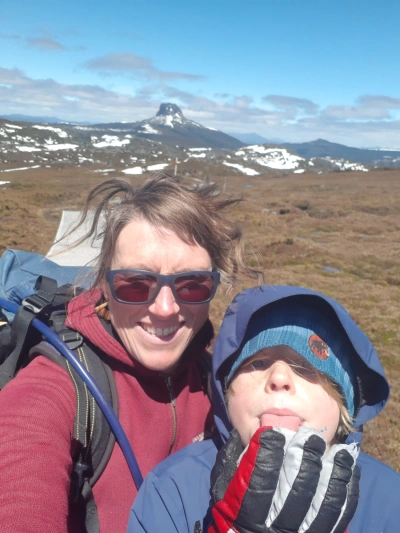
Claire Boost
Health is a no-brainer through growing, harvesting and cooking food from a school garden. Literacy and numeracy can be included in all kinds of garden or kitchen-based activities. With detailed lesson plans and concrete data out there to support the argument for school gardens, it really shouldn’t be too hard to convince the powers that be of their worth. This is especially true for schools in urban or suburban settings where time outside in nature is limited and lacking. But thinking about it from a child’s perspective, why do they love School Gardens so much? They aren’t focussed on the curriculum links or the targets being reached, they don’t get excited by the fact that we can cover yet another achievement standard in the garden. What is it about school gardens that gets kids motivated? Even kids who spend their life growing up amongst wild nature, like those on Bruny, seem to love lessons in the School Garden. Obviously there are those who enjoy the experiential aspect, the learning by doing.
There are those who refuse to garden at home with their parents in enormous and enviable veggie patches but will happily garden alongside their friends at school. When removed from the four walls of the classroom where they struggle to keep up with the pace of literacy and numeracy lessons, there are those who suddenly become confident, animated, and leaders in an area where they can share knowledge and strength. Importantly, gardens are non-competitive environments; the only measuring and comparing that goes on is the rate of growth of the pumpkins or the size of the compost worms. Naturally, most kids find learning in the garden fun…. but I think there’s more to it than that. In one of my roles as an educator in a community garden, my colleague and I talked with children a lot about the idea of a fictional ‘Vitamin N’ - the Nature vitamin. After several weeks of a garden based ‘Grow and Learn Program’ children were able to identify that time in nature was something that made them feel good. They recognised that unquantifiable feeling of wellness that wraps you up when you spend time in a garden or natural setting.
Recently, Tasmania’s very own Permaculture Guru and Climate Activist, Hannah Maloney donated her time and effervescence to join us at the Bruny Island School Garden. The dedicated P and F organised a special day to raise money to keep the school’s much loved Kitchen Garden Program running into another year. Delicious food and gardening advice was shared along with Hannah’s perspective on the importance of Gardens, not just in schools, but in all of our lives. Whilst researching for a book, Hannah spent some time asking her followers why they loved to grow their own food. The answers included responses such as: to grow food locally, to reduce costs of buying fresh food, to be more sustainable, to grow and eat organic.
But the one answer which was by far the most popular, and which surprised Hannah was “for the joy of it”. Pure and simple, gardening brings us joy! The act of digging our hands in the soil, of getting dirt under the fingernails, of being outdoors, of nurturing life, just makes us feel good! In a world that values fast paced lives, busyness, achievement and outcomes it is so important to do things that simply make us feel good.
Within a school, wellbeing and fun cannot be underestimated. There is no denying that schools need to reach targets to lift rates of literacy and numeracy, but after more than 20 years as an educator of all age groups, I believe that wellbeing underpins all learning. If we can ensure that our children have a place at school where they can all feel safe, valued and joyous then they will want to return day after day after day!
Love what you're reading? Support Bruny Kids & Nature donate to support them now
Donate hereYou might like...

Bruny Kids - Nature webpage project
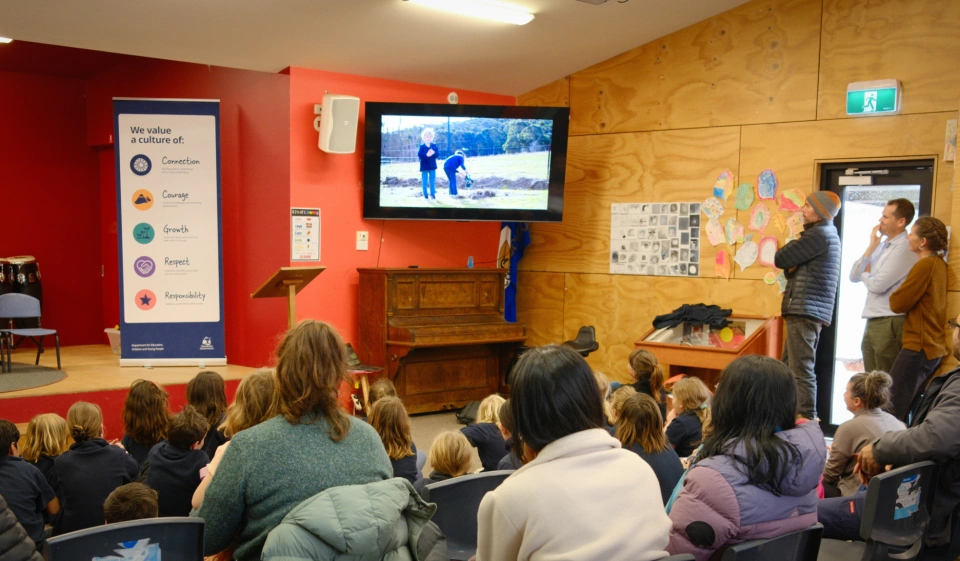
Bruny Kids & Nature film: Pardalote Patch
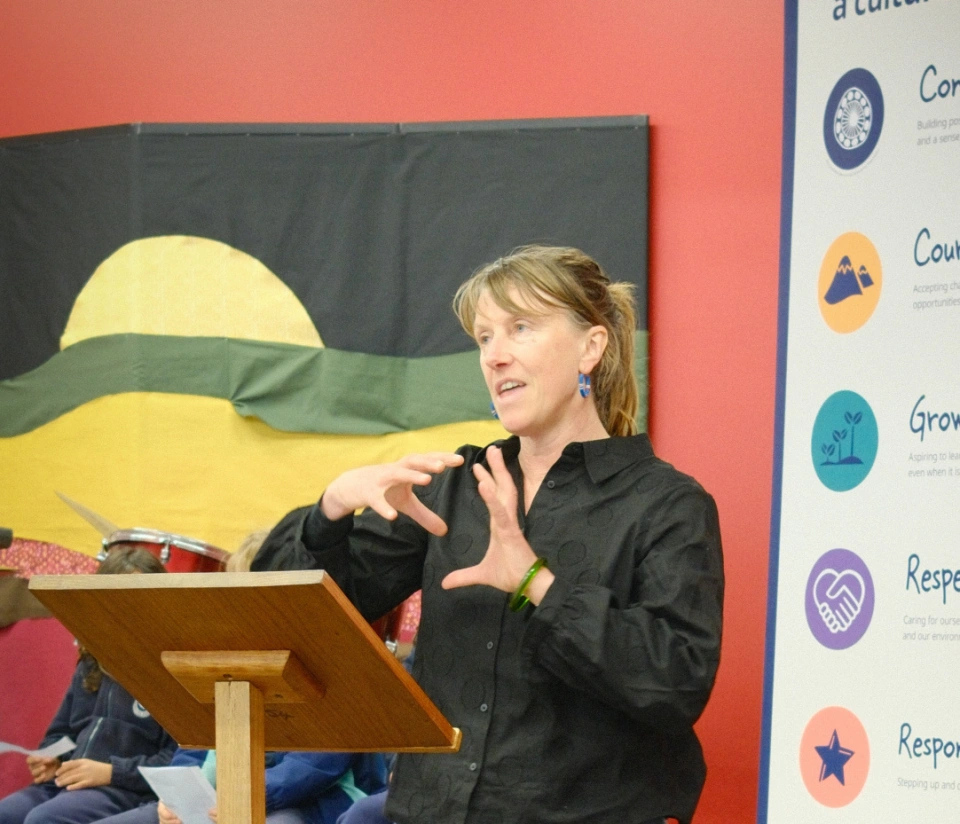
Teacher Claire: Speech for Bruny Kids' film Premiere
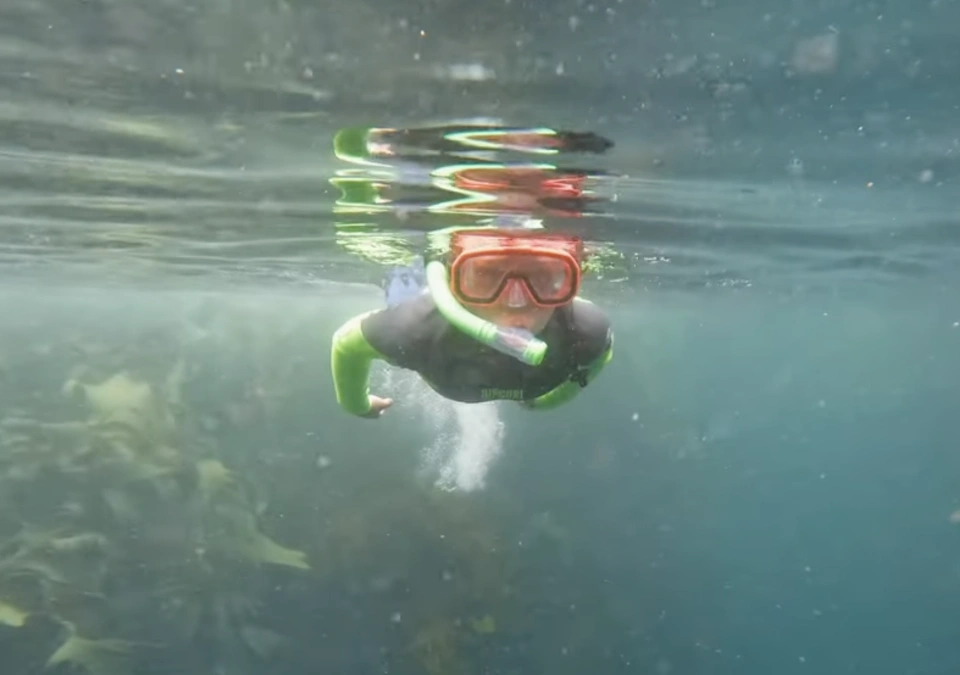
Adventures at "Chock Rock"
Newsletter
Sign up to keep in touch with articles, updates, events or news from Kuno, your platform for nature