
Contact
About
Articles by
A campaigner's life: taking the opportunities

Southwest Tasmania by Kayak

Jamie Kirkpatrick - a giant of conservation

Saving Forty Spotted Pardalote chicks from blood-sucking maggots!

The future of Life on Earth

Bruny Youth Stories Prize

Experiencing Kunanyi from above
Bruny Youth Story Prize

A sense of wonder

World Bee Day: Science and outdoor learning go together like bees and honey

Humans and Earth

Bruny Youth Story Prize
Galleries by
Mosman Wildlife
Dozens of species of native animals frequent the remnant moist gullies and bushland of the Mosman peninsula, from the Eastern Water Dragon to Peron's Tree Frog and the endangered Powerful Owl
Dusky dolphin: ocean acrobat
The dusky dolphin is one of the smaller dolphin species with a maximum weight of about 85 kilograms and a length, of just over two metres. The dusky dolphin is a social species, known for its agility and coordinated acrobatic abilities.
Rockhopper penguins
The dramatic-looking rockhopper penguin is characterised by its red eyes, upright yellow head feathers along a supercilium stripe and a crest of black feathers on top. They are separated into three sub-species, photographer here by ecologist Dr Eric Woehler (OAM) and located around the Antarctic and sub-Antarctic zones.
Marine wonders of Christmas Island
At twice the size of the Great Barrier Reef and more than three times the size of Great Britain, the waters around Christmas Island have been officially recognised as part of Australia’s Marine Parks. Photo: Rohan Newton
Bryce Canyon National Park, Utah
Bryce Canyon National Park in southern Utah is home to the greatest collection of distinctive spire-shaped rock formations called hoodoos on Earth. Its super-ancient sediment layering dates back to the end of the Cretaceous period, more than 66 million years ago.
The fairy tern: tiny beach nester
The fairy tern is a similar size to a hooded plover - so tiny, it would sit comfortably in the palm of your hand. They lay just two eggs, onto the beach sand. See these remarkable images from Tasmanian-based bird ecologist Dr Eric Woehler.
Bruny Island Coastline
Bruny Island has an intricate, complex, beautiful and varied coastline, ranging from sheltered inlets, shallow bays, mudflats, lagoons, and grand sea-cliffs, through to long sandy ocean facing beaches.
takayna / Tarkine
Takayna / Tarkine is a hugely diverse wild landscape with an extraordinary history. Largely unprotected this region has huge potential for national park and world heritage status.
Sweden by winter
The winter in Sweden is long, dark and hard. But also incredibly beautiful.
Beautiful rocks of Kunanyi
Kunanyi is shaped by ancient dolerite rock formations, sculpted over millions of years by ice, wind and rain. From towering cliffs to scattered boulders and caves, these photographers captures its beauty.
Woodland birds
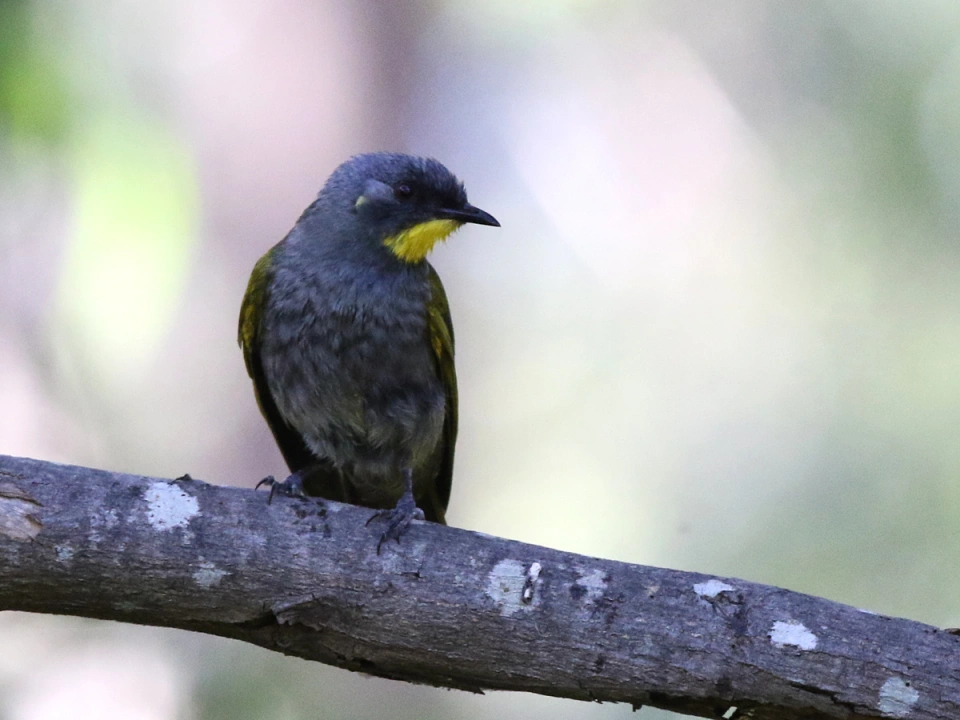
We all need a good visual dose of the wonder of Nature sometimes, and we can't always get outside from behind the desk, to breathe it in. Here, we bring it to you, with these beautiful close-ups of our unique woodland bird species, photographed by Tasmanian bird ecologist Dr Eric Woehler (OAM). Take a moment and enjoy.
Dark Sky Sanctuaries
The aurora australis lights the skies of Southwest Tasmania. The next Dark Sky Sanctuary? Image: Dan Broun
Galleries Contributed by
Bruny Island wildlife
Bruny Island is a haven for rare and unique birds and animals, and is one of the best bird-watching spots in Australia.
The fairy tern: tiny beach nester
The fairy tern is a similar size to a hooded plover - so tiny, it would sit comfortably in the palm of your hand. They lay just two eggs, onto the beach sand. See these remarkable images from Tasmanian-based bird ecologist Dr Eric Woehler.
Pelagic Birds of Tasmania
Pelagic birds are birds that spend a large part of their life on the open ocean. These include the majestic Albatross, petrels and terns. This gallery of Pelagic birds by Marcio Conrado was taken off the Tasman Peninsula
Mosman Wildlife
Dozens of species of native animals frequent the remnant moist gullies and bushland of the Mosman peninsula, from the Eastern Water Dragon to Peron's Tree Frog and the endangered Powerful Owl
Rockhopper penguins
The dramatic-looking rockhopper penguin is characterised by its red eyes, upright yellow head feathers along a supercilium stripe and a crest of black feathers on top. They are separated into three sub-species, photographer here by ecologist Dr Eric Woehler (OAM) and located around the Antarctic and sub-Antarctic zones.
takayna / Tarkine
Takayna / Tarkine is a hugely diverse wild landscape with an extraordinary history. Largely unprotected this region has huge potential for national park and world heritage status.
Southwest National Park, Tasmania
Southwest National Park in Tasmania is a vast, mostly trackless wilderness containing ancient forests, the wildest rivers, a glaciated and mountainous landscape and a spectacular coastline with rich aboriginal history.
Woodland birds
We all need a good visual dose of the wonder of Nature sometimes, and we can't always get outside from behind the desk, to breathe it in. Here, we bring it to you, with these beautiful close-ups of our unique woodland bird species, photographed by Tasmanian bird ecologist Dr Eric Woehler (OAM). Take a moment and enjoy.
Wildlife of Antarctica
Antartica, the Southern Ocean and the sub-Antarctic islands host a rich variety of extraordinary life, including penguins, seals, and whales
'Fjällen' - the Swedish Mountains
The Scandinavian mountain range, the Scandes, runs through the border between Sweden and Norway. It covers most of Norway and stretches into the north-west regions of Sweden. These mountainous areas form some of Sweden's most remarkable wilderness.
Marine wonders of Christmas Island
At twice the size of the Great Barrier Reef and more than three times the size of Great Britain, the waters around Christmas Island have been officially recognised as part of Australia’s Marine Parks. Photo: Rohan Newton
Bryce Canyon National Park, Utah
Bryce Canyon National Park in southern Utah is home to the greatest collection of distinctive spire-shaped rock formations called hoodoos on Earth. Its super-ancient sediment layering dates back to the end of the Cretaceous period, more than 66 million years ago.