
Contact
About
Articles by

The natural world is what sustains us
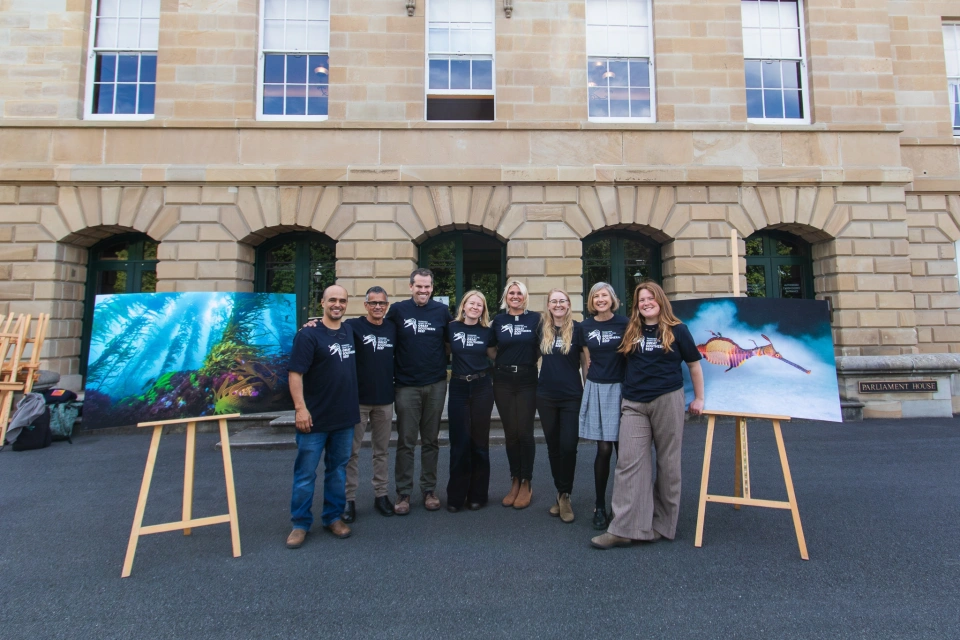
Tasmania: Heart of the Great Southern Reef Launches in Parliament House

Walking on Bruny Island
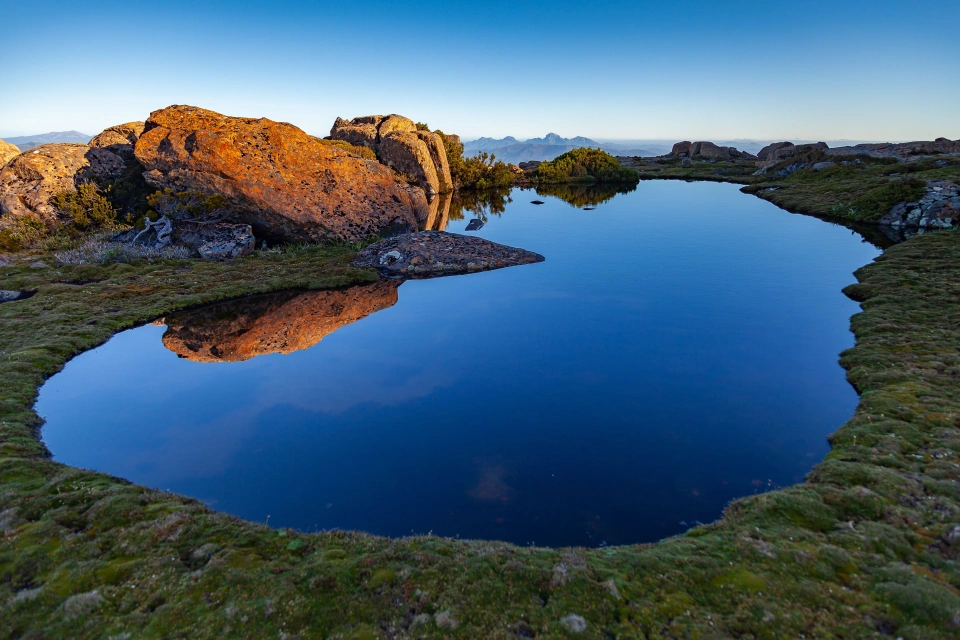
Community Groups Collective Impact Survey

The magic of Bruny Island
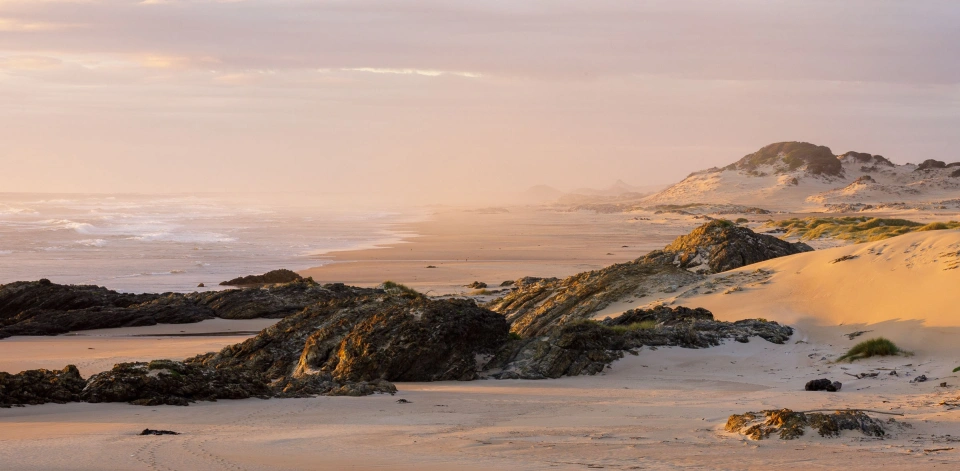
Healthy Landscapes Thriving Communities Lutruwita/Tasmania
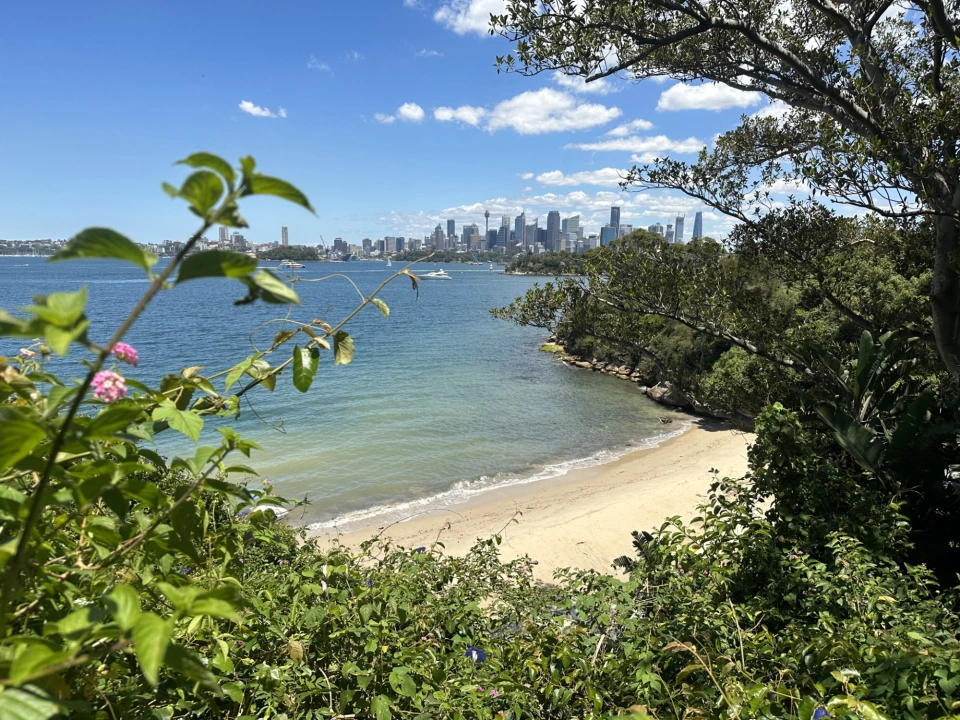
Bushland regeneration in the big city

Farmer of the white gums

'The Fallen Star'

Albatross: a life at sea

Caring and connecting on North Bruny
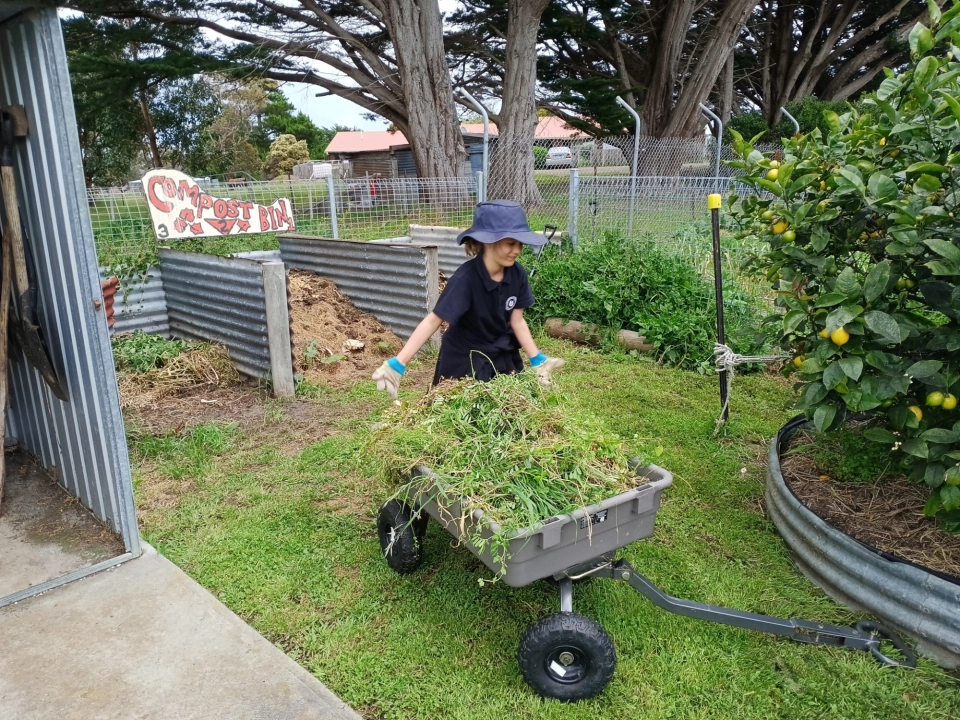
The role of gardens in schools-Wellbeing and Vitamin N
Galleries by
Southwest National Park, Tasmania
Southwest National Park in Tasmania is a vast, mostly trackless wilderness containing ancient forests, the wildest rivers, a glaciated and mountainous landscape and a spectacular coastline with rich aboriginal history.
The Frozen Continent
The wild and special continent of Antarctica - captured by outdoor educator and guide Ewan Blyth.
Birds of the Atlantic Forest
The Atlantic Forest is one of the most biodiverse forests in the world including almost 1000 bird species. Here are a few of these birds from photographer Marcio Conrado.
Bruny Island Coastline
Bruny Island has an intricate, complex, beautiful and varied coastline, ranging from sheltered inlets, shallow bays, mudflats, lagoons, and grand sea-cliffs, through to long sandy ocean facing beaches.
Dark Sky Sanctuaries
The aurora australis lights the skies of Southwest Tasmania. The next Dark Sky Sanctuary? Image: Dan Broun
Tasmanian Marine life
Tasmania's marine environment is globally significant, with a rich mix of ecosystems and habitats fostering marine life found nowhere else on Earth
Wildlife of Chitral & Gilgit Baltistan
Snow leopards, golden marmot, markhor, golden eagles, lynx, and other wildlife species frequent the extraordinary region of Chitral & Gilgit Baltistan in Northern Pakistan
Bruny Island wildlife
Bruny Island is a haven for rare and unique birds and animals, and is one of the best bird-watching spots in Australia.
Bryce Canyon National Park, Utah
Bryce Canyon National Park in southern Utah is home to the greatest collection of distinctive spire-shaped rock formations called hoodoos on Earth. Its super-ancient sediment layering dates back to the end of the Cretaceous period, more than 66 million years ago.
Woodland birds
We all need a good visual dose of the wonder of Nature sometimes, and we can't always get outside from behind the desk, to breathe it in. Here, we bring it to you, with these beautiful close-ups of our unique woodland bird species, photographed by Tasmanian bird ecologist Dr Eric Woehler (OAM). Take a moment and enjoy.
Rockhopper penguins
The dramatic-looking rockhopper penguin is characterised by its red eyes, upright yellow head feathers along a supercilium stripe and a crest of black feathers on top. They are separated into three sub-species, photographer here by ecologist Dr Eric Woehler (OAM) and located around the Antarctic and sub-Antarctic zones.
The Joshua Tree
Joshua Tree National Park was once described by early explorers as a “profitless locality” and that it “shall be forever unvisited”.
A bit of time, visitation by those with a more discerning eye and the efforts of a determined woman resulted in the protection of a treasured place.
Galleries Contributed by
Dark Sky Sanctuaries
The aurora australis lights the skies of Southwest Tasmania. The next Dark Sky Sanctuary? Image: Dan Broun
The Frozen Continent
The wild and special continent of Antarctica - captured by outdoor educator and guide Ewan Blyth.
Tasmanian Marine life
Tasmania's marine environment is globally significant, with a rich mix of ecosystems and habitats fostering marine life found nowhere else on Earth
Wildlife of Chitral & Gilgit Baltistan
Snow leopards, golden marmot, markhor, golden eagles, lynx, and other wildlife species frequent the extraordinary region of Chitral & Gilgit Baltistan in Northern Pakistan
Bruny Island - A Photographer's Paradise
Bruny Island is an island, off an island, off an island, surrounded by islands. Image: Nick Monk
Southwest National Park, Tasmania
Southwest National Park in Tasmania is a vast, mostly trackless wilderness containing ancient forests, the wildest rivers, a glaciated and mountainous landscape and a spectacular coastline with rich aboriginal history.
The fairy tern: tiny beach nester
The fairy tern is a similar size to a hooded plover - so tiny, it would sit comfortably in the palm of your hand. They lay just two eggs, onto the beach sand. See these remarkable images from Tasmanian-based bird ecologist Dr Eric Woehler.
Woodland birds
We all need a good visual dose of the wonder of Nature sometimes, and we can't always get outside from behind the desk, to breathe it in. Here, we bring it to you, with these beautiful close-ups of our unique woodland bird species, photographed by Tasmanian bird ecologist Dr Eric Woehler (OAM). Take a moment and enjoy.
Bryce Canyon National Park, Utah
Bryce Canyon National Park in southern Utah is home to the greatest collection of distinctive spire-shaped rock formations called hoodoos on Earth. Its super-ancient sediment layering dates back to the end of the Cretaceous period, more than 66 million years ago.
The Birds of Chitral & Gilgit Baltistan, Pakistan
The diverse avifauna of Chitral and Gilgit-Baltistan, Pakistan, includes, but not limited to a fascinating array of species locally known by distinct names that reflect the region’s cultural and ecological identity.
Rockhopper penguins
The dramatic-looking rockhopper penguin is characterised by its red eyes, upright yellow head feathers along a supercilium stripe and a crest of black feathers on top. They are separated into three sub-species, photographer here by ecologist Dr Eric Woehler (OAM) and located around the Antarctic and sub-Antarctic zones.
'Fjällen' - the Swedish Mountains
The Scandinavian mountain range, the Scandes, runs through the border between Sweden and Norway. It covers most of Norway and stretches into the north-west regions of Sweden. These mountainous areas form some of Sweden's most remarkable wilderness.