
Contact
About
Articles by

Saving wildlife on Bruny Island's roads

Bruny Island launch: Dan Broun talks about how you can get involved

Bruny Island crucial for the Swift Parrot

What is Kuno?

Operation Crayweed
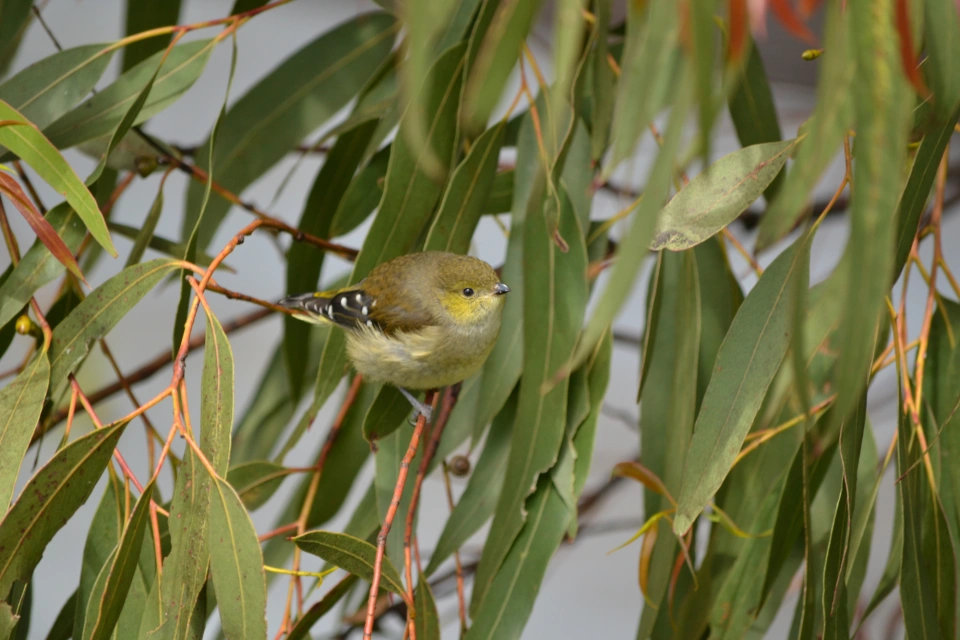
Bruny Youth Stories Prize

Caves and Falls around Panay Peninsula
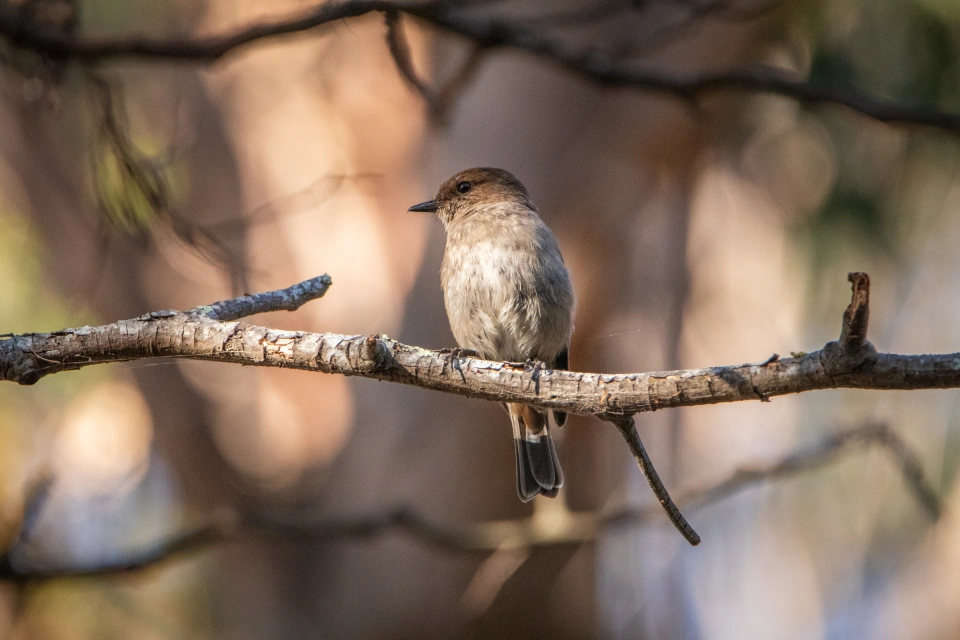
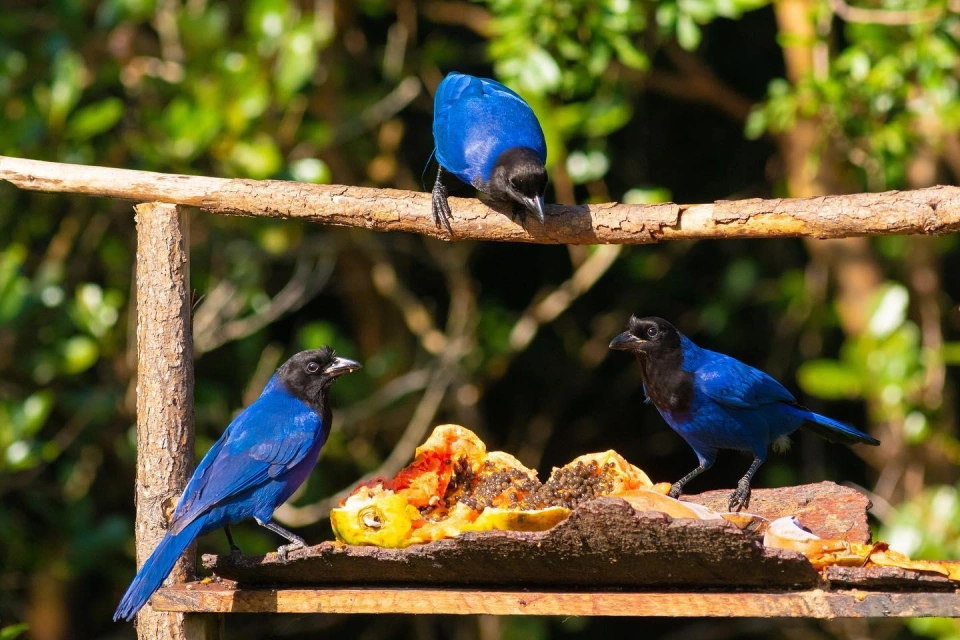
Got a wild story? Let's tell it.

A parable for our place

Coding for Earth

Jamie Kirkpatrick - a giant of conservation
Galleries by
Bryce Canyon National Park, Utah
Bryce Canyon National Park in southern Utah is home to the greatest collection of distinctive spire-shaped rock formations called hoodoos on Earth. Its super-ancient sediment layering dates back to the end of the Cretaceous period, more than 66 million years ago.
Bruny Island wildlife
Bruny Island is a haven for rare and unique birds and animals, and is one of the best bird-watching spots in Australia.
Marine wonders of Christmas Island
At twice the size of the Great Barrier Reef and more than three times the size of Great Britain, the waters around Christmas Island have been officially recognised as part of Australia’s Marine Parks. Photo: Rohan Newton
Beautiful rocks of Kunanyi
Kunanyi is shaped by ancient dolerite rock formations, sculpted over millions of years by ice, wind and rain. From towering cliffs to scattered boulders and caves, these photographers captures its beauty.
'Fjällen' - the Swedish Mountains
The Scandinavian mountain range, the Scandes, runs through the border between Sweden and Norway. It covers most of Norway and stretches into the north-west regions of Sweden. These mountainous areas form some of Sweden's most remarkable wilderness.
Woodland birds
We all need a good visual dose of the wonder of Nature sometimes, and we can't always get outside from behind the desk, to breathe it in. Here, we bring it to you, with these beautiful close-ups of our unique woodland bird species, photographed by Tasmanian bird ecologist Dr Eric Woehler (OAM). Take a moment and enjoy.
The Birds of Chitral & Gilgit Baltistan, Pakistan
The diverse avifauna of Chitral and Gilgit-Baltistan, Pakistan, includes, but not limited to a fascinating array of species locally known by distinct names that reflect the region’s cultural and ecological identity.
Duco - redemption in nature
Imagery from the life of Duco, a Brazilian environmentalist, nature and bird-guide who found redemption in nature
Launching in Hobart
In another successful launch event for Kuno, a big crowd turned out in Hobart on the 1st of October 2024 to hear more about the project, meet the team behind the vision, hear from inspiring speakers and network with other Nature lovers. Thank you Hobart for your support!
Rockhopper penguins
The dramatic-looking rockhopper penguin is characterised by its red eyes, upright yellow head feathers along a supercilium stripe and a crest of black feathers on top. They are separated into three sub-species, photographer here by ecologist Dr Eric Woehler (OAM) and located around the Antarctic and sub-Antarctic zones.
Wildlife of Chitral & Gilgit Baltistan
Snow leopards, golden marmot, markhor, golden eagles, lynx, and other wildlife species frequent the extraordinary region of Chitral & Gilgit Baltistan in Northern Pakistan
The Frozen Continent
The wild and special continent of Antarctica - captured by outdoor educator and guide Ewan Blyth.
Galleries Contributed by
Sweden by winter
The winter in Sweden is long, dark and hard. But also incredibly beautiful.
Dusky dolphin: ocean acrobat
The dusky dolphin is one of the smaller dolphin species with a maximum weight of about 85 kilograms and a length, of just over two metres. The dusky dolphin is a social species, known for its agility and coordinated acrobatic abilities.
Wildlife of Chitral & Gilgit Baltistan
Snow leopards, golden marmot, markhor, golden eagles, lynx, and other wildlife species frequent the extraordinary region of Chitral & Gilgit Baltistan in Northern Pakistan
The Birds of Chitral & Gilgit Baltistan, Pakistan
The diverse avifauna of Chitral and Gilgit-Baltistan, Pakistan, includes, but not limited to a fascinating array of species locally known by distinct names that reflect the region’s cultural and ecological identity.
takayna / Tarkine
Takayna / Tarkine is a hugely diverse wild landscape with an extraordinary history. Largely unprotected this region has huge potential for national park and world heritage status.
Bruny Island - A Photographer's Paradise
Bruny Island is an island, off an island, off an island, surrounded by islands. Image: Nick Monk
Bryce Canyon National Park, Utah
Bryce Canyon National Park in southern Utah is home to the greatest collection of distinctive spire-shaped rock formations called hoodoos on Earth. Its super-ancient sediment layering dates back to the end of the Cretaceous period, more than 66 million years ago.
Dark Sky Sanctuaries
The aurora australis lights the skies of Southwest Tasmania. The next Dark Sky Sanctuary? Image: Dan Broun
Pelagic Birds of Tasmania
Pelagic birds are birds that spend a large part of their life on the open ocean. These include the majestic Albatross, petrels and terns. This gallery of Pelagic birds by Marcio Conrado was taken off the Tasman Peninsula
Marine wonders of Christmas Island
At twice the size of the Great Barrier Reef and more than three times the size of Great Britain, the waters around Christmas Island have been officially recognised as part of Australia’s Marine Parks. Photo: Rohan Newton
Zion National Park, Utah
The two thousand-foot deep red sandstone canyon through Zion National Park is a majestic masterpiece, carved out over ancient time by the Virgin River. Known for its intense seasonal colours and dramatic vistas and established in 1919, Zion is Utah's first National Park.