
Contact
About
Articles by

Love of nature in the blood

The fastest parrot on the planet

The Okavango Delta

Panipiason: Gateway to Aklan Mountain Adventures

Protecting Bruny's beach-dwellers

Bruny Youth Stories Prize

From Bulldozers to Bush Regeneration

Supergroms Cleanup at Alonnah
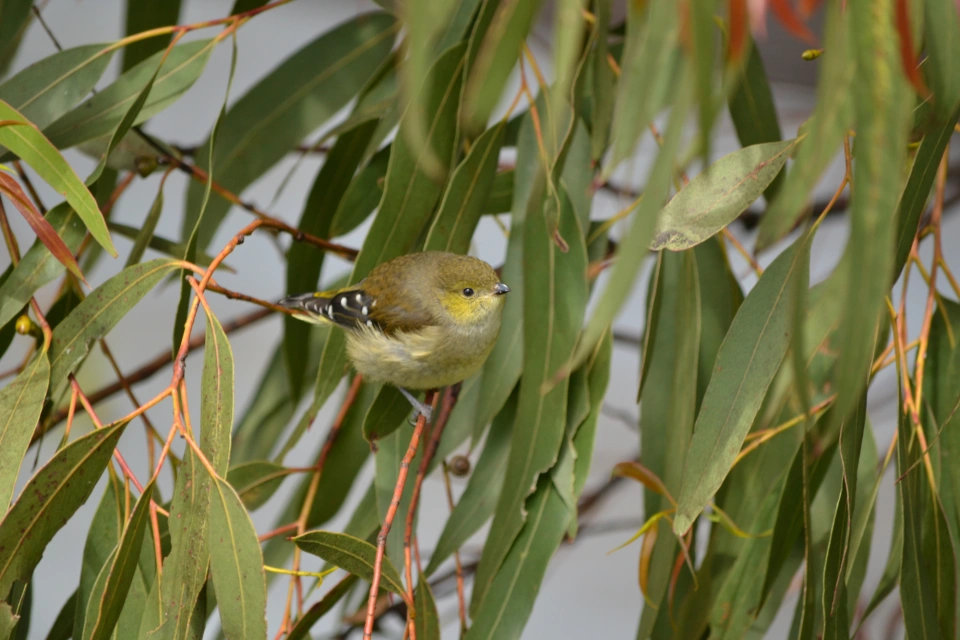
Bruny Youth Stories Prize

Forests critical for Climate and Biodiversity Protection

Species, emotion and place
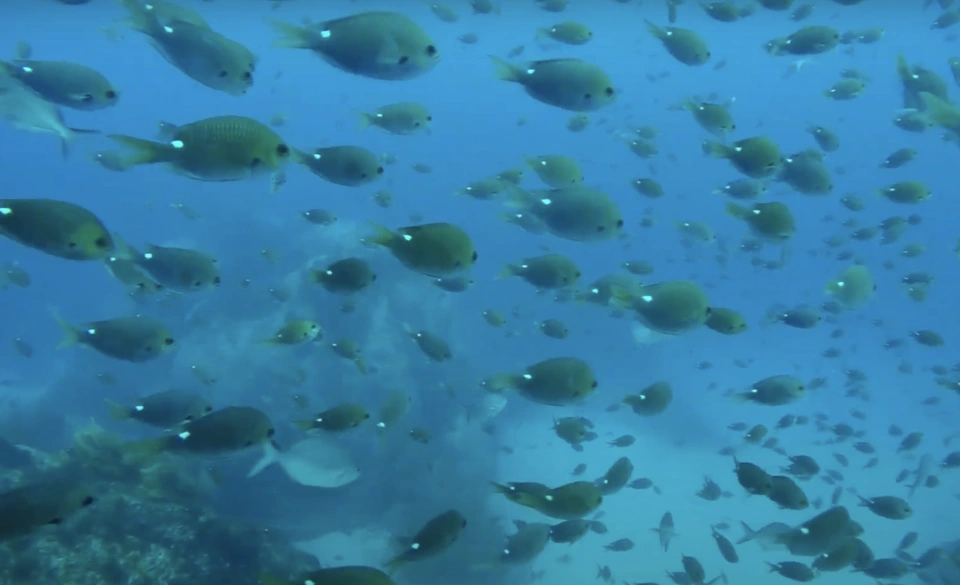
Sydney Harbour’s extraordinary marine biodiversity
Galleries by
Marine wonders of Christmas Island
At twice the size of the Great Barrier Reef and more than three times the size of Great Britain, the waters around Christmas Island have been officially recognised as part of Australia’s Marine Parks. Photo: Rohan Newton
Pelagic Birds of Tasmania
Pelagic birds are birds that spend a large part of their life on the open ocean. These include the majestic Albatross, petrels and terns. This gallery of Pelagic birds by Marcio Conrado was taken off the Tasman Peninsula
Wildlife of Chitral & Gilgit Baltistan
Snow leopards, golden marmot, markhor, golden eagles, lynx, and other wildlife species frequent the extraordinary region of Chitral & Gilgit Baltistan in Northern Pakistan
Panay, Philippines
The triangle-shaped island of Panay is the sixth-largest of the Philippines archipelago, and has an amazing array of landscapes and biodiversity hotspots, including the Central Panay Mountain Range. As the fourth-most populous island of the Philippines, it is also facing conservation challenges.
Rockhopper penguins
The dramatic-looking rockhopper penguin is characterised by its red eyes, upright yellow head feathers along a supercilium stripe and a crest of black feathers on top. They are separated into three sub-species, photographer here by ecologist Dr Eric Woehler (OAM) and located around the Antarctic and sub-Antarctic zones.
Sweden by winter
The winter in Sweden is long, dark and hard. But also incredibly beautiful.
Bruny Island - A Photographer's Paradise
Bruny Island is an island, off an island, off an island, surrounded by islands. Image: Nick Monk
Bruny Island wildlife
Bruny Island is a haven for rare and unique birds and animals, and is one of the best bird-watching spots in Australia.
Dark Sky Sanctuaries
The aurora australis lights the skies of Southwest Tasmania. The next Dark Sky Sanctuary? Image: Dan Broun
The fairy tern: tiny beach nester
The fairy tern is a similar size to a hooded plover - so tiny, it would sit comfortably in the palm of your hand. They lay just two eggs, onto the beach sand. See these remarkable images from Tasmanian-based bird ecologist Dr Eric Woehler.
Launching in Hobart
In another successful launch event for Kuno, a big crowd turned out in Hobart on the 1st of October 2024 to hear more about the project, meet the team behind the vision, hear from inspiring speakers and network with other Nature lovers. Thank you Hobart for your support!
Galleries Contributed by
Dusky dolphin: ocean acrobat
The dusky dolphin is one of the smaller dolphin species with a maximum weight of about 85 kilograms and a length, of just over two metres. The dusky dolphin is a social species, known for its agility and coordinated acrobatic abilities.
Wildlife of Chitral & Gilgit Baltistan
Snow leopards, golden marmot, markhor, golden eagles, lynx, and other wildlife species frequent the extraordinary region of Chitral & Gilgit Baltistan in Northern Pakistan
Marine wonders of Christmas Island
At twice the size of the Great Barrier Reef and more than three times the size of Great Britain, the waters around Christmas Island have been officially recognised as part of Australia’s Marine Parks. Photo: Rohan Newton
Bruny Island - A Photographer's Paradise
Bruny Island is an island, off an island, off an island, surrounded by islands. Image: Nick Monk
Tasmanian Marine life
Tasmania's marine environment is globally significant, with a rich mix of ecosystems and habitats fostering marine life found nowhere else on Earth
Launching in Hobart
In another successful launch event for Kuno, a big crowd turned out in Hobart on the 1st of October 2024 to hear more about the project, meet the team behind the vision, hear from inspiring speakers and network with other Nature lovers. Thank you Hobart for your support!
Sweden by winter
The winter in Sweden is long, dark and hard. But also incredibly beautiful.
Bruny Island Coastline
Bruny Island has an intricate, complex, beautiful and varied coastline, ranging from sheltered inlets, shallow bays, mudflats, lagoons, and grand sea-cliffs, through to long sandy ocean facing beaches.
Bryce Canyon National Park, Utah
Bryce Canyon National Park in southern Utah is home to the greatest collection of distinctive spire-shaped rock formations called hoodoos on Earth. Its super-ancient sediment layering dates back to the end of the Cretaceous period, more than 66 million years ago.
takayna / Tarkine
Takayna / Tarkine is a hugely diverse wild landscape with an extraordinary history. Largely unprotected this region has huge potential for national park and world heritage status.
Dark Sky Sanctuaries
The aurora australis lights the skies of Southwest Tasmania. The next Dark Sky Sanctuary? Image: Dan Broun