Tasmania: Heart of the Great Southern Reef

Tilde Bergström
Rebecca Howarth
Phill Pullinger
Jess Ewing

Curated by Tilde Bergström and 3 others

Tasmania sits at the heart of the Great Southern Reef, a vast 8,000-kilometre system of kelp forests and rocky reefs, where cold and warm ocean currents meet to create marine life found nowhere else on Earth.

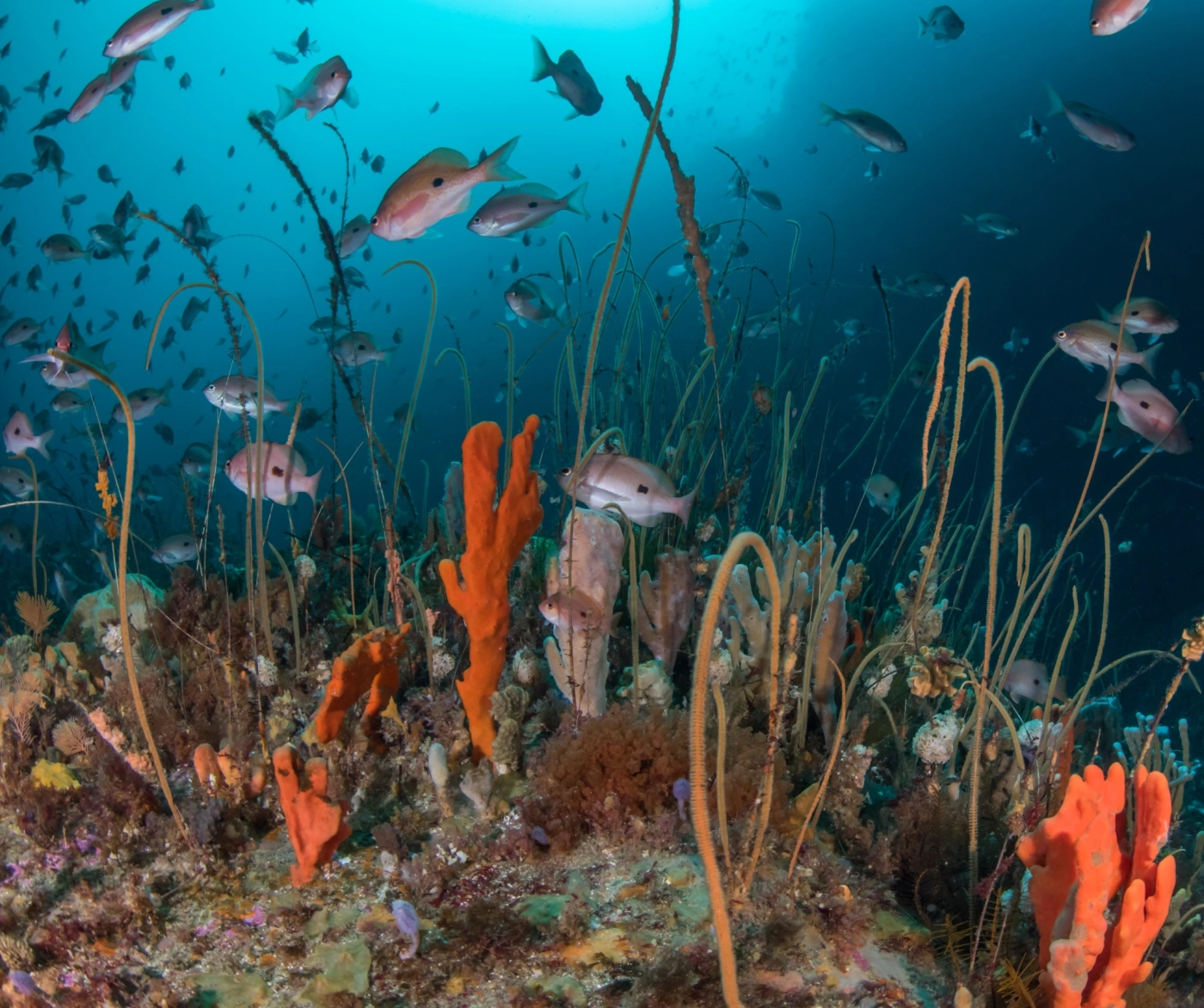
Sponge Garden, Tasman Peninsula, by Rick Stuart Smith

Sponge Garden, Tasman Peninsula, by Rick Stuart Smith

About the region Articles about Tasmania: Heart of the Great Southern Reef Conservation Things to Do Nature Community FAQ

About the region

Where two oceans meet

The Great Southern Reef stretches more than 8,000 kilometres around Australia’s southern coastline. It is one of the largest and most significant temperate reef systems on Earth, with more diversity in seaweeds than the Great Barrier Reef has in corals. Tasmania sits at its southern heart, where the reef is at its richest, coldest and most biodiverse. Here, the warm East Australian Current flowing down from the tropics meets cold, nutrient-rich water from the Southern Ocean. Tasmania makes up less than 1% of Australia’s land, yet holds more than 8% of its coastline, wrapped around thousands of islands, rocky headlands, sheltered bays and ancient estuaries. 

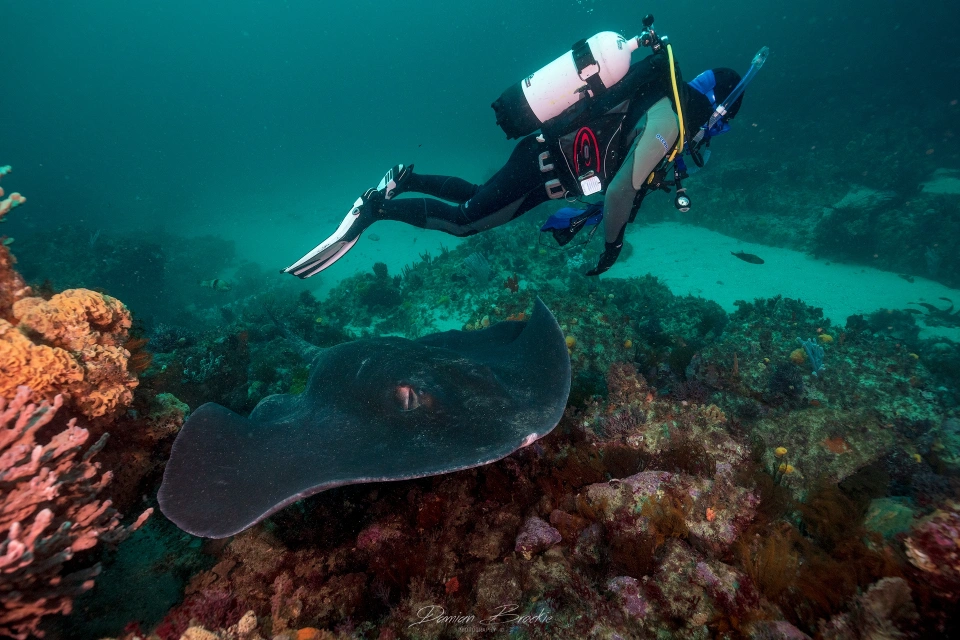
Stingray and diver by Damian Brockie, CREDIT IMPORTANT

Stingray and diver, by Damian Brockie

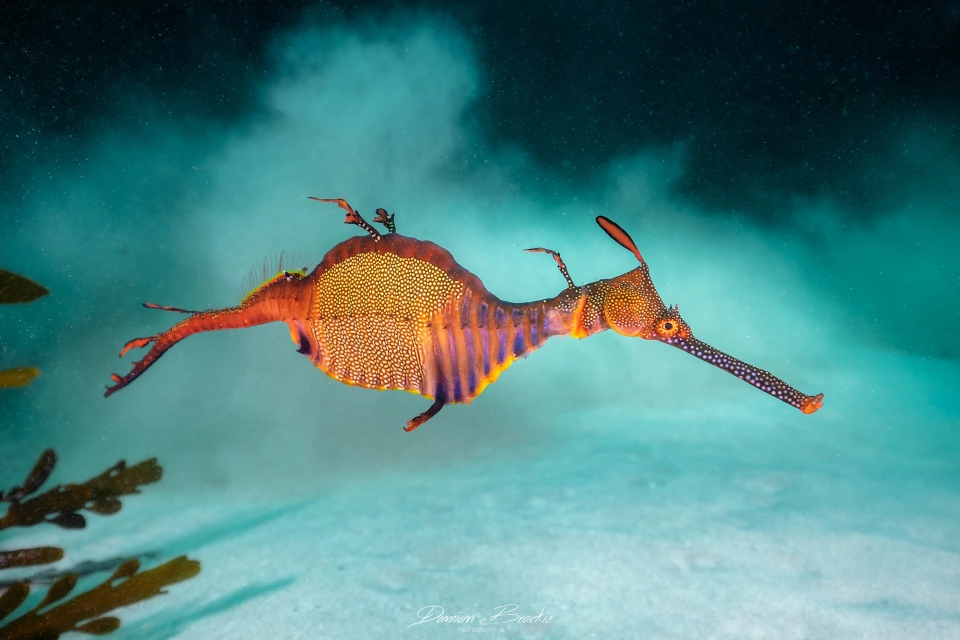
Seadragon, by Damian Brockie

Weedy Seadragon, by Damian Brockie

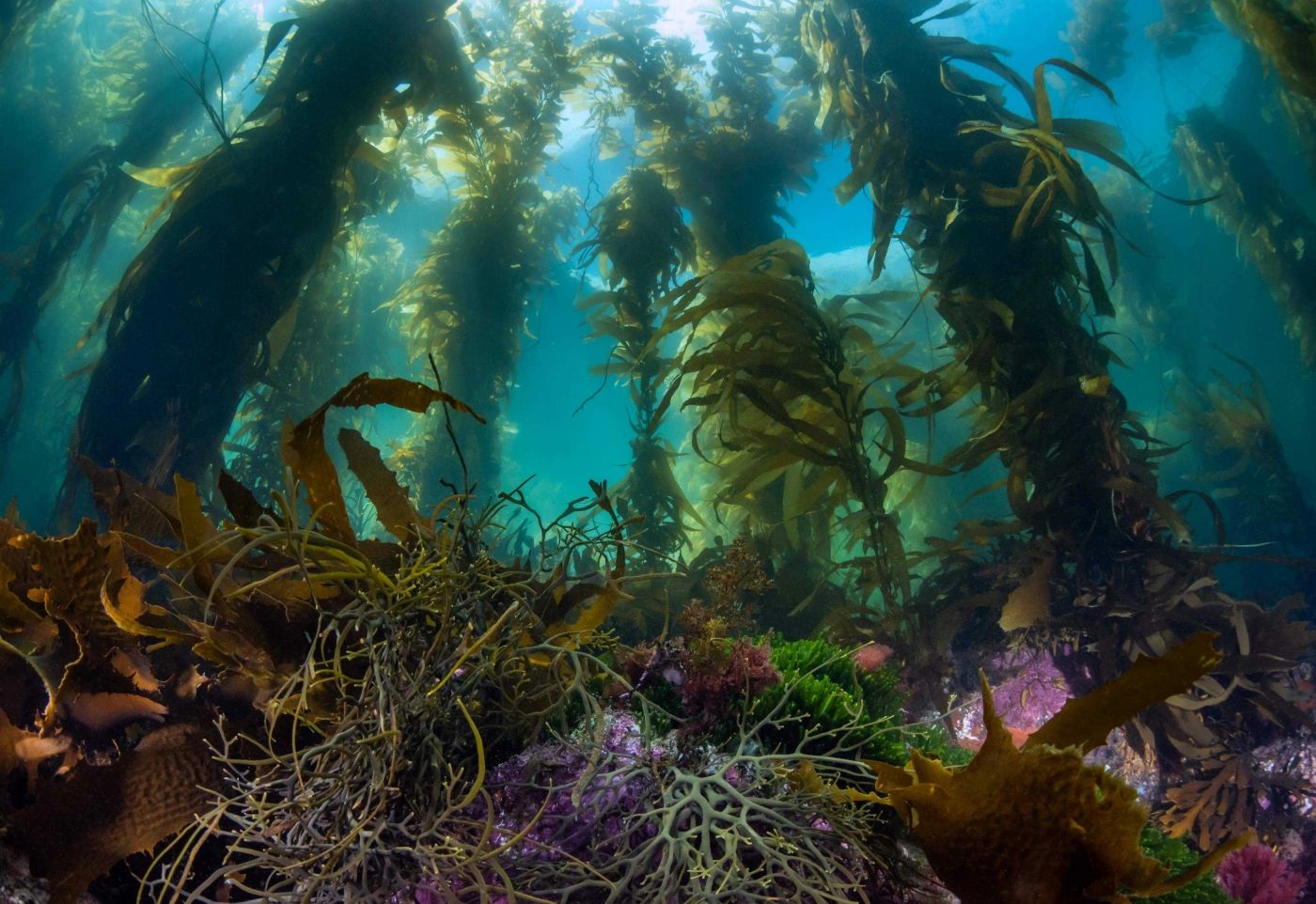
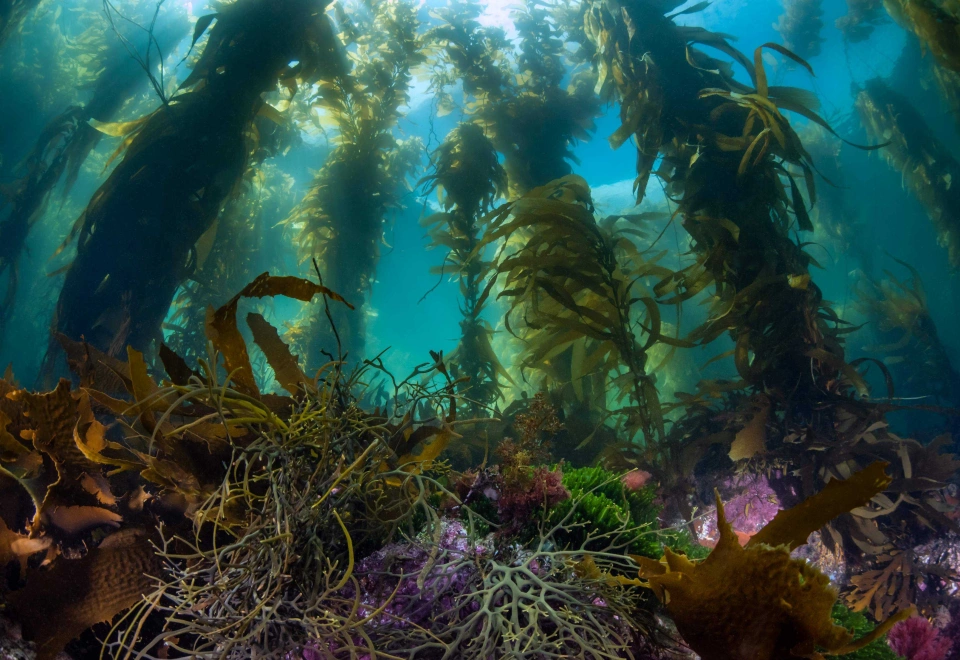
Giant Kelp, by Rick Stuart-Smith

Giant Kelp, by Rick Stuart-Smith

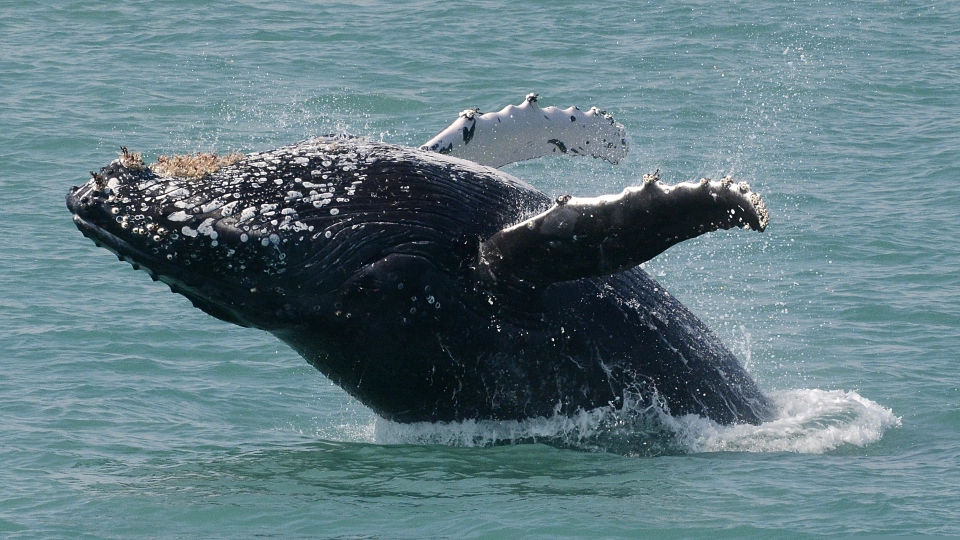
Humpback Whale by Dr Eric Woehler 58620 CREDIT IMPORTANT

Humpback Whale, by Dr Eric Woehler

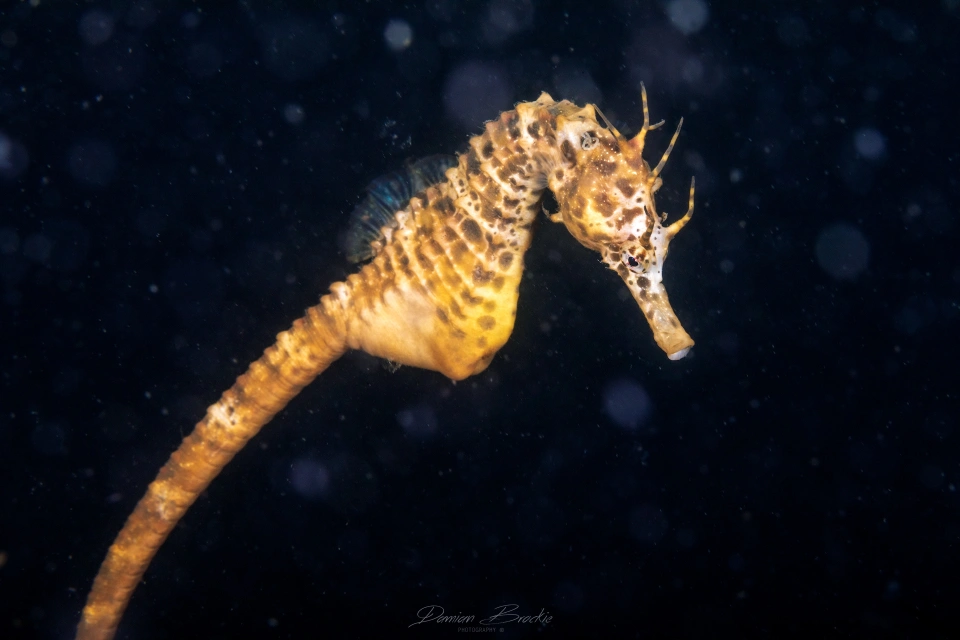
Seahorse opossum bay by Damian Brockie, CREDIT IMPORTANT

Seahorse, by Damian Brockie

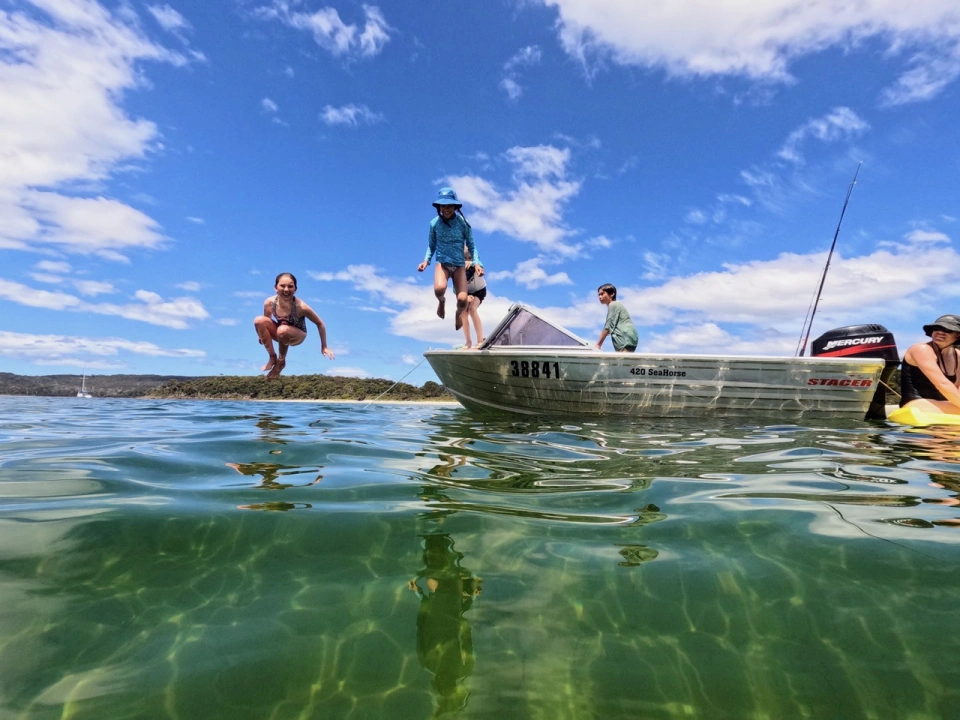
Bruny kids jumping into water Claire Gorman

Kids jumping into water on Bruny Island. By Claire Gorman

Help us to build a platform to connect people with planet earth!

Become a supporter

Articles about Tasmania: Heart of the Great Southern Reef

See more articles

7 facts you didn't know about the Great Southern Reef

Photo: Damian Brockie. Most Australians know the Great Barrier Reef. Far fewer know the reef that runs along their own southern coastline, one that is...

Dive into Tasmania’s hidden underwater world with Matt Testoni’s new book

Tasmanian underwater photographer Matt Testoni launches his new book “Beneath Tasmania”, a visual journey into the unique marine world of Tasmania. 

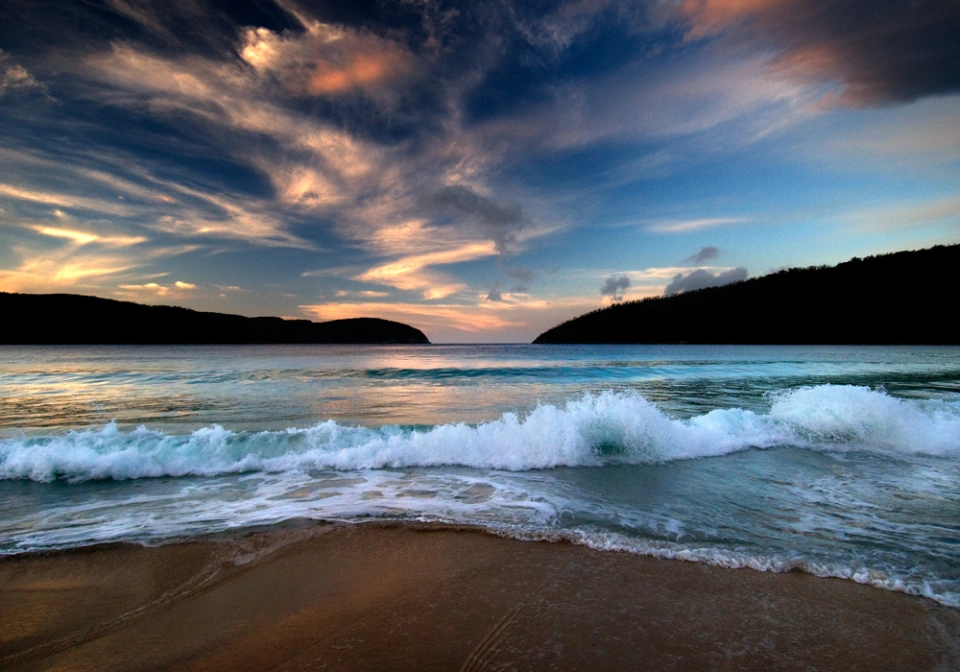
Under the surface: Spring Beach, Tasmania

Diving under the surface at Spring Beach, Tasmania

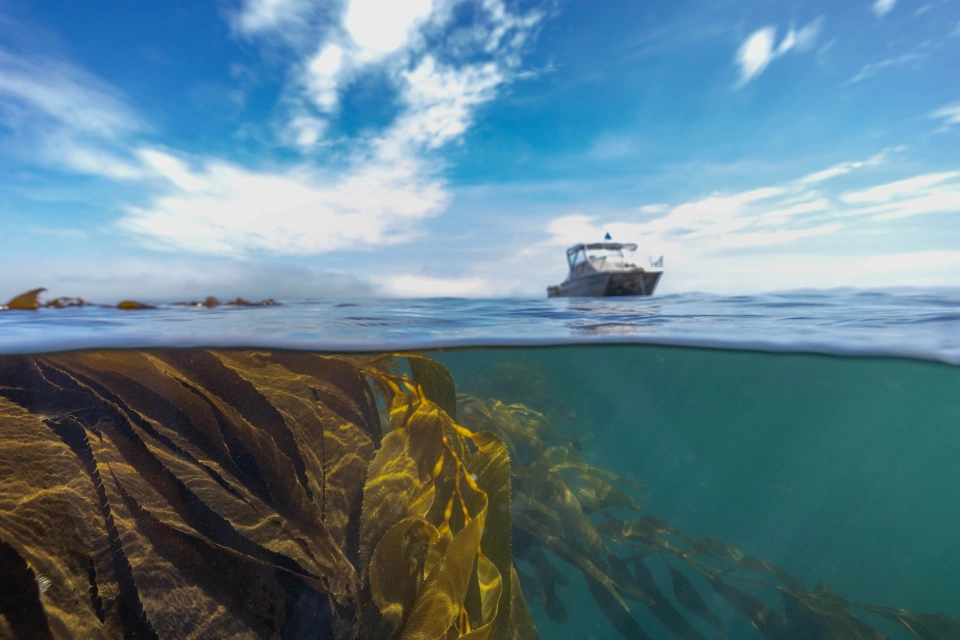
Restoring Tasmania’s underwater giants

In the past decades, more than 95% of the Giant kelp forests in Tasmania have dissapeared. Now, people are working to restore them through underwater...
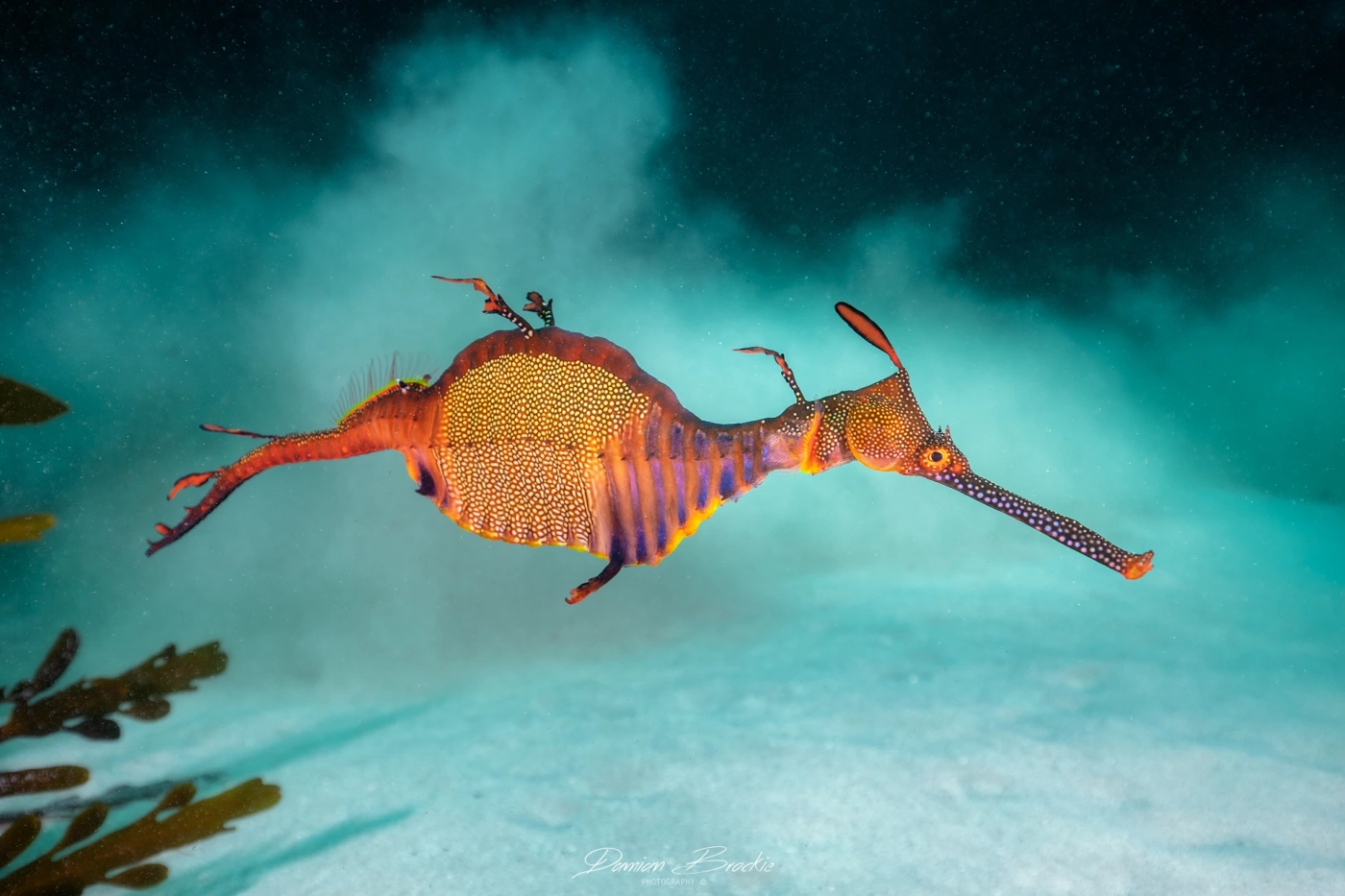
Seadragon, by Damian Brockie

Seadragon, by Damian Brockie

Conservation

Helping nature help itself

Tasmania’s waters are more than a beautiful coastline, they are a global biodiversity hotspot. But this unique and globally important marine life is facing growing pressures. On the east coast, around 95% of the once abundant Giant Kelp forests have disappeared due to warming waters and grazing Long-spined Sea Urchins, which means that important habitat for numerous species has been lost. Endemic species like the Red and Spotted Handfish and the Maugean Skate, that only exist in certain Tasmanian estuaries, are on the verge of extinction. 

Tasmania already does a great job protecting nature on land, with around half of its land protected. However, only around 1,6% of Tasmania’s surrounding waters are highly protected, which is the lowest out of any Australian state or territory. Luckily, science shows that marine life has an extraordinary capability to bounce back if environmental pressures are mitigated. It is high time to start taking care of the beautiful, fascinating and unique nature and wildlife that exists under the surface. 

Conservation efforts for Tasmania: Heart of the Great Southern Reef

See more conservation efforts
Restoring kelp forests one plant at a time Giant Kelp Restoration Tasmania Stefan Andrews23

Restoring kelp forests one plant at a time

Photo by Stefan Andrews, courtesy Great Southern Reef Foundation. In the midst of the tragic Giant Kelp loss, there are people choosing another path: ...
Read more
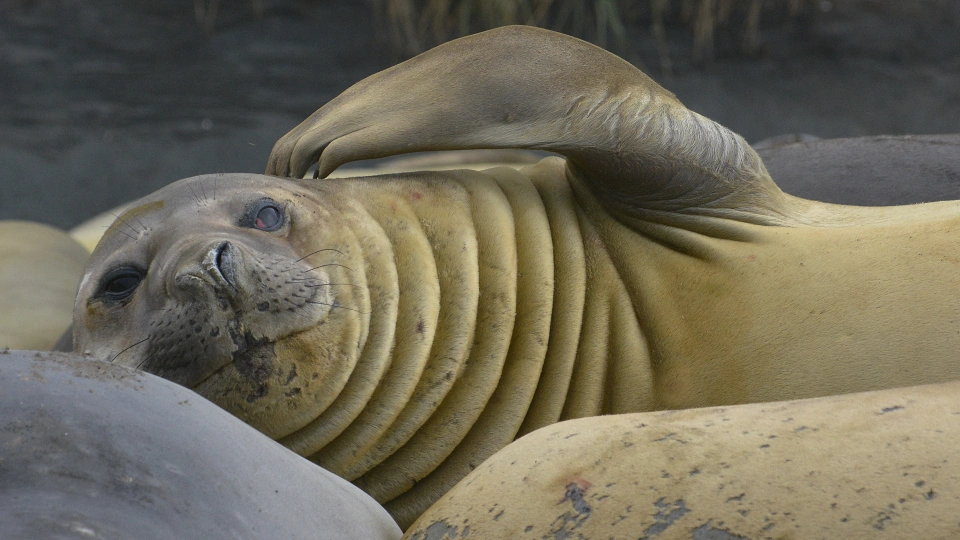
Neil the Seal is Tasmania’s wildlife celebrity – a global internet sensation Southern Elephant Seal 45912

Neil the Seal is Tasmania’s wildlife celebrity – a global internet sensation

Neil the Seal is Tasmania’s wildlife celebrity – a global internet sensation. He hauled out onto a seaside street to moult and rest, turning it into a...
Read more
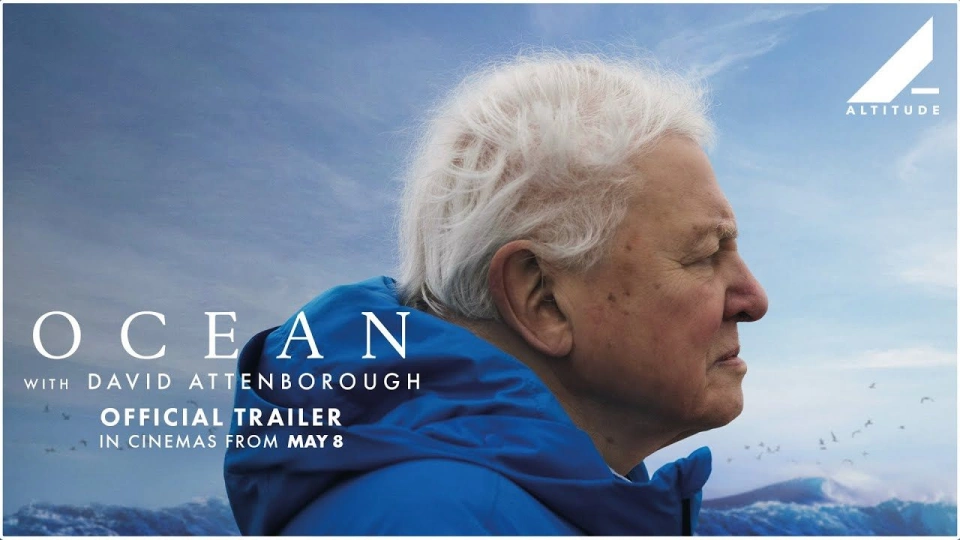
David Attenborough's message in Parliament House Ocean david attenborough

David Attenborough's message in Parliament House

Last week Ocean with David Attenborough was screened at Parliament house in Hobart, showcasing a powerful message on the urgent importance of protecti...
Read more
I Moved Here and Found a Deep Connection to Tasmania’s Wild Seas Fortescue Bay Warwick Berry

I Moved Here and Found a Deep Connection to Tasmania’s Wild Seas

I didn’t grow up on these shores. I moved to Tasmania from overseas, and found myself, like so many others, completely bewitched by the island’s wild ...
Read more
Giant Kelp, by Rick Stuart-Smith

Giant Kelp, by Rick Stuart-Smith

Nature

Life found nowhere else

The Great Southern Reef is home to over 1500 different types of seaweed, and more than 85% of its fish species are found nowhere else on earth! Tasmania’s waters offer some of the finest temperate diving and snorkelling in the world, with crystal clear water, dramatic rocky reefs and swaying kelp forests. Giant kelp, the world’s fastest growing organism, can grow up to 60 centimetres in a single day and reach 30 metres tall. Divers and snorkellers around Bicheno, the Tasman Peninsula and the east coast reefs can drift alongside Weedy Seadragons, meet the Draughtboard Shark, which puffs itself up with water when threatened, and spot Blue-throated Wrasse, which begin life as females and can change sex as they grow. Above the water, Little Penguins come ashore at dusk, Fur Seals hunt among the kelp, and Humpback, Southern Right and Blue Whales pass along the coast on their great migrations, making every trip to the sea a chance to discover something extraordinary. 

The species of Tasmania: Heart of the Great Southern Reef

See more nature
Draughtboard Shark

Draughtboard Shark

The Draughtboard Shark is a type of catshark endemic to the Great Southern Reef. It spends the day resting in caves and crevices and hunts at night. When it feels threatened, the Draughtboard Shark can swallow water to inflate, making it appear larger in size. 

Read more
Octopus

Octopus

Octopuses are some of the weirdest and smartest animals in the ocean. There are roughly 300 known species living in oceans all over the world, ranging from shallow coral reefs to deep abyssal plains.

Read more
Weedy Seadragon

Weedy Seadragon

Photo: Damian Brockie. Weedy seadragons belong to the same family as seahorses and pipefishes, but unlike seahorses, they cannot grip with their tails, so they hover and drift, steering with tiny, almost invisible fins. 

Read more
Nudibranch

Nudibranch

Nudibranchs are molluscs that lose their shell after the larval stage. There are more than 3,000 species worldwide, and more than 400 occur in south-eastern Australia. 

Read more
Giant Kelp

Giant Kelp

Photo: Stefan Andrews, courstey of the Great Southern Reef Foundation 

Read more
Big-bellied Seahorse

Big-bellied Seahorse

The big-bellied seahorse (Hippocampus abdominalis) is one of three seahorse species found in Tasmanian waters. Reaching up to 35 cm in height, they are one of the worlds largest seahorses, with a big round belly as their distinctive feature. 

Read more
Australian Fur Seal

Australian Fur Seal

There are nine species of fur seals in the world, and the Australian fur seal is the largest of them. Photo: Warwick Berry

Read more

Community

Part of who we are

Being an island state with so many people living in close proximity to the coast, the ocean is woven into the identity of Lutruwita/Tasmania. For the Palawa people, the traditional owners of Lutruwita, these waters have sustained life and culture for tens of thousands of years. To this day, the ocean continue to shape the life of people in Tasmania. Fishers, divers, scientists, artists, swimmers, tourism operators and surfers can all find common ground in their love and appreciation for the ocean. 

Phill Pullinger

Phill is a GP, conservationist, author of Tarkine Trails, and co-founder of Kuno. Phill has broad expertise and a long held passionate commitment to the natural world.
Read more

Jess Ewing

Jess is a nature lover and artist. She enjoys spending time outdoors, bushwalking and gardening. 
Read more

Rebecca Howarth

Rebecca lives on turrukana/Tasman Peninsula where she fostered a love for Tasmania’s spectacular coasts and marine environment. She has experience in a variety of roles including Seed Technology Assistant at Kew, Ecology Researcher, Bush School Practitioner, Food Co-op Co-ordinator, Community...
Read more

Tilde Bergström

Tilde is a photographer, storyteller and outdoor lover from Sweden. She is the conservation stories editor for Kuno. 
Read more
Bruny Kids & Nature

Bruny Kids & Nature

The Bruny Kids & Nature page is a home for articles, stories and events about, by and for kids who connect with Nature on Bruny Island
Read more
Environment Tasmania

Environment Tasmania

Lutruwita / Tasmania is a global leader for nature conservation, social cohesion, indigenous rights and climate mitigation, with a thriving environment, empowered communities and a cohesive environmental movement, making the state a shining beacon of hope for the world to follow.
Read more
Kuno Foundation

Kuno Foundation

The Kuno Foundation's mission is for life on Earth. Our focus is on empowering local communities, people and groups to foster a future where people and Nature can thrive together.
Read more

FAQ

Frequently asked questions about Tasmania: Heart of the Great Southern Reef

What is Tasmania: Heart of the Great Southern Reef?

Tasmania sits at the heart of the Great Southern Reef, a vast 8,000-kilometre system of kelp forests and rocky reefs, where cold and warm ocean currents meet to create marine life found nowhere else on Earth.

What is Tasmania: Heart of the Great Southern Reef known for?

The Great Southern Reef stretches more than 8,000 kilometres around Australia’s southern coastline. It is one of the largest and most significant temperate reef systems on Earth, with more diversity in seaweeds than the Great Barrier Reef has in corals. Tasmania sits at its…

What wildlife and nature can you find at Tasmania: Heart of the Great Southern Reef?

The Great Southern Reef is home to over 1500 different types of seaweed, and more than 85% of its fish species are found nowhere else on earth! Tasmania’s waters offer some of the finest temperate diving and snorkelling in the world, with crystal clear water, dramatic rocky…

How is Tasmania: Heart of the Great Southern Reef being conserved?

Tasmania’s waters are more than a beautiful coastline, they are a global biodiversity hotspot. But this unique and globally important marine life is facing growing pressures. On the east coast, around 95% of the once abundant Giant Kelp forests have disappeared due to warming…

How can I get involved with the Tasmania: Heart of the Great Southern Reef community?

Being an island state with so many people living in close proximity to the coast, the ocean is woven into the identity of Lutruwita/Tasmania. For the Palawa people, the traditional owners of Lutruwita, these waters have sustained life and culture for tens of thousands of years.…

Newsletter

Sign up to keep in touch with articles, updates, events or news from Kuno, your platform for nature