
Tasmania: Heart of the Great Southern Reef Launches in Parliament House
Tasmania: Heart of the Great Southern Reef
Tasmania: Heart of the Great Southern Reef is a new statewide campaign from Environment Tasmania, in partnership with the Great Southern Reef Foundation and Kuno, celebrating the unique and important marine life of Tasmania.
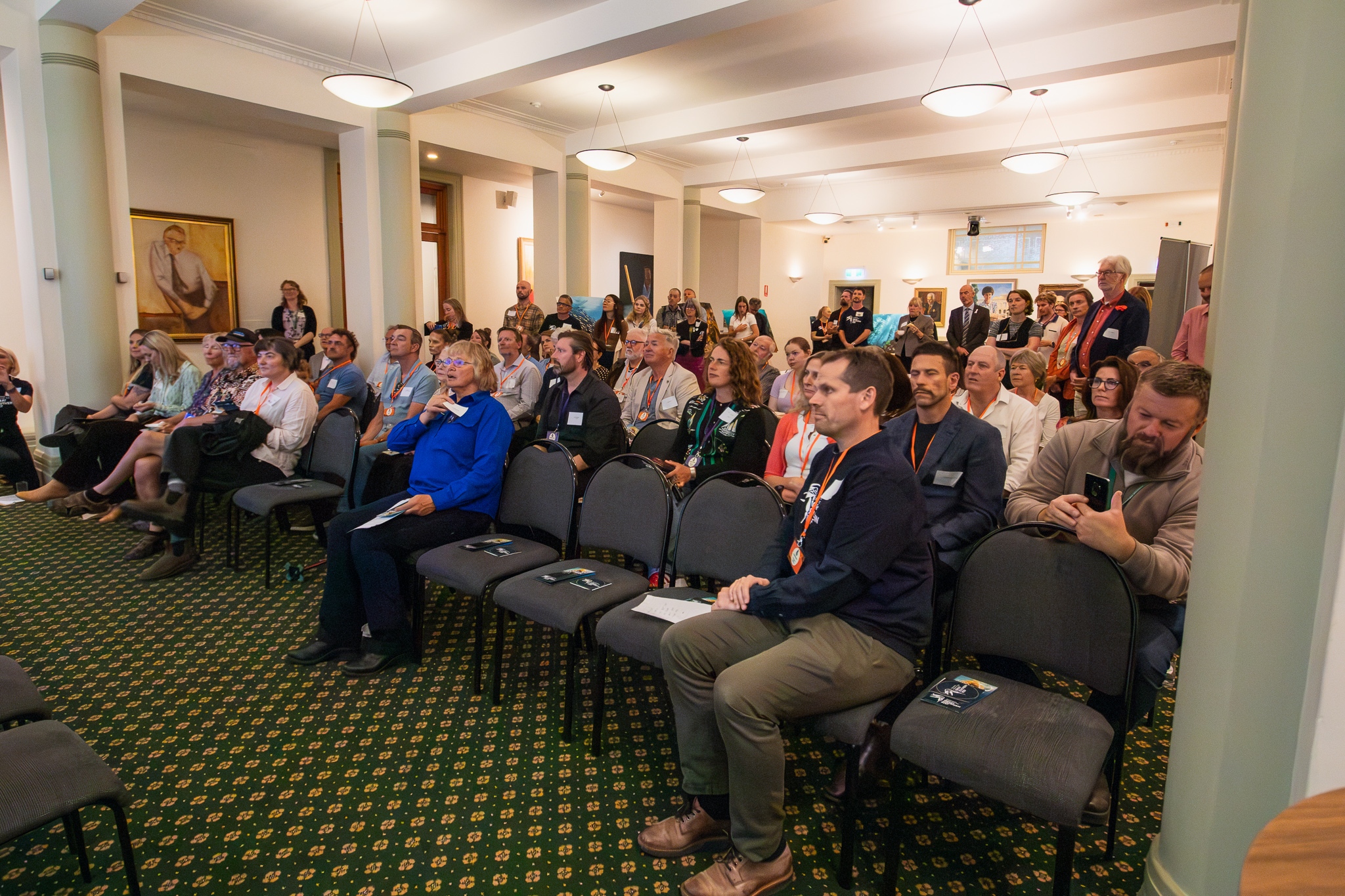
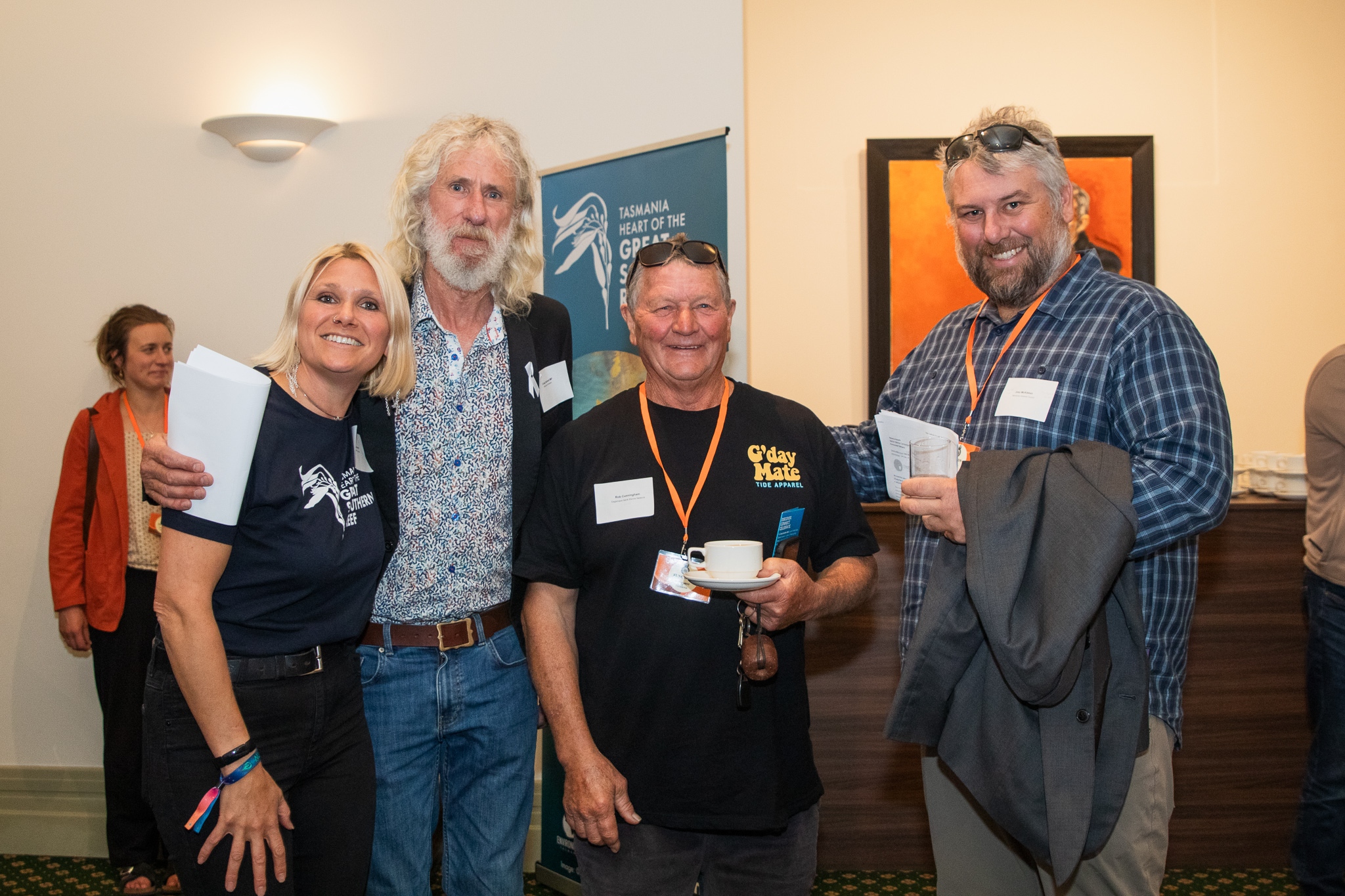
This week the campaign launched with a big event in Parliament House, Nipaluna / Hobart, at the heart of Tasmania’s political decision-making. The event brought together an incredible group of people from across Tasmania’s marine community to shine a light on the extraordinary underwater world surrounding Tasmania’s coastline.
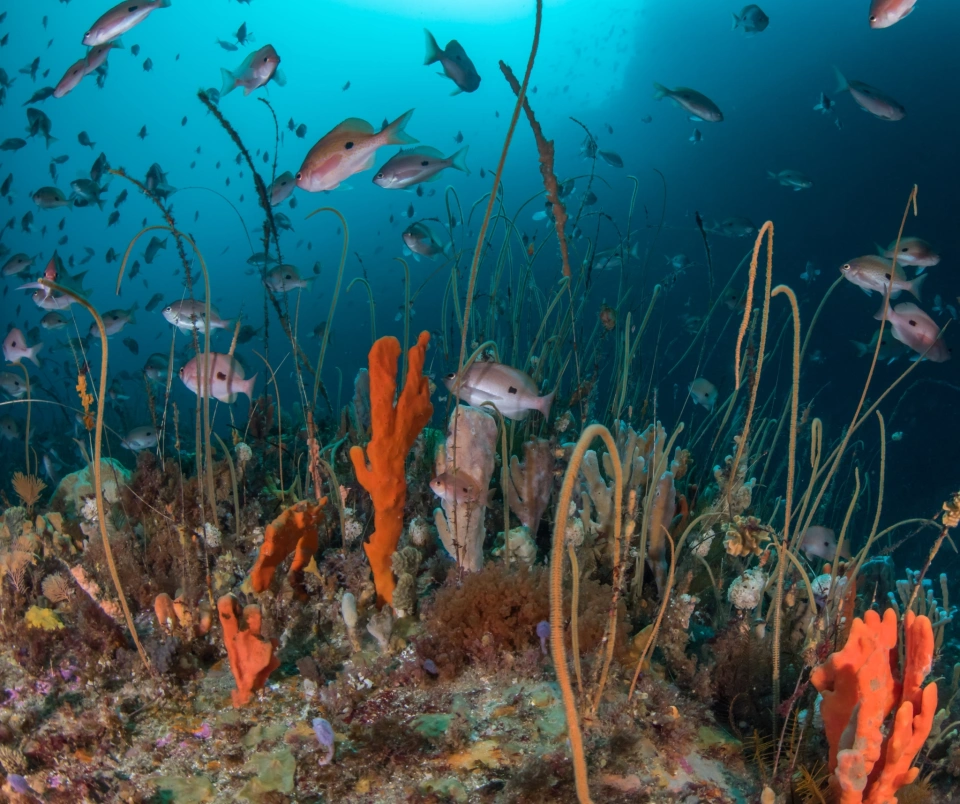
The Great Southern Reef stretches more than 8,000 kilometres around southern Australia and is one of the world's largest temperate reef systems. It supports extraordinary biodiversity, vast kelp forests and thousands of marine species. Tasmania sits at the ecological heart of this remarkable reef system and is recognised as its richest and most biodiverse region.
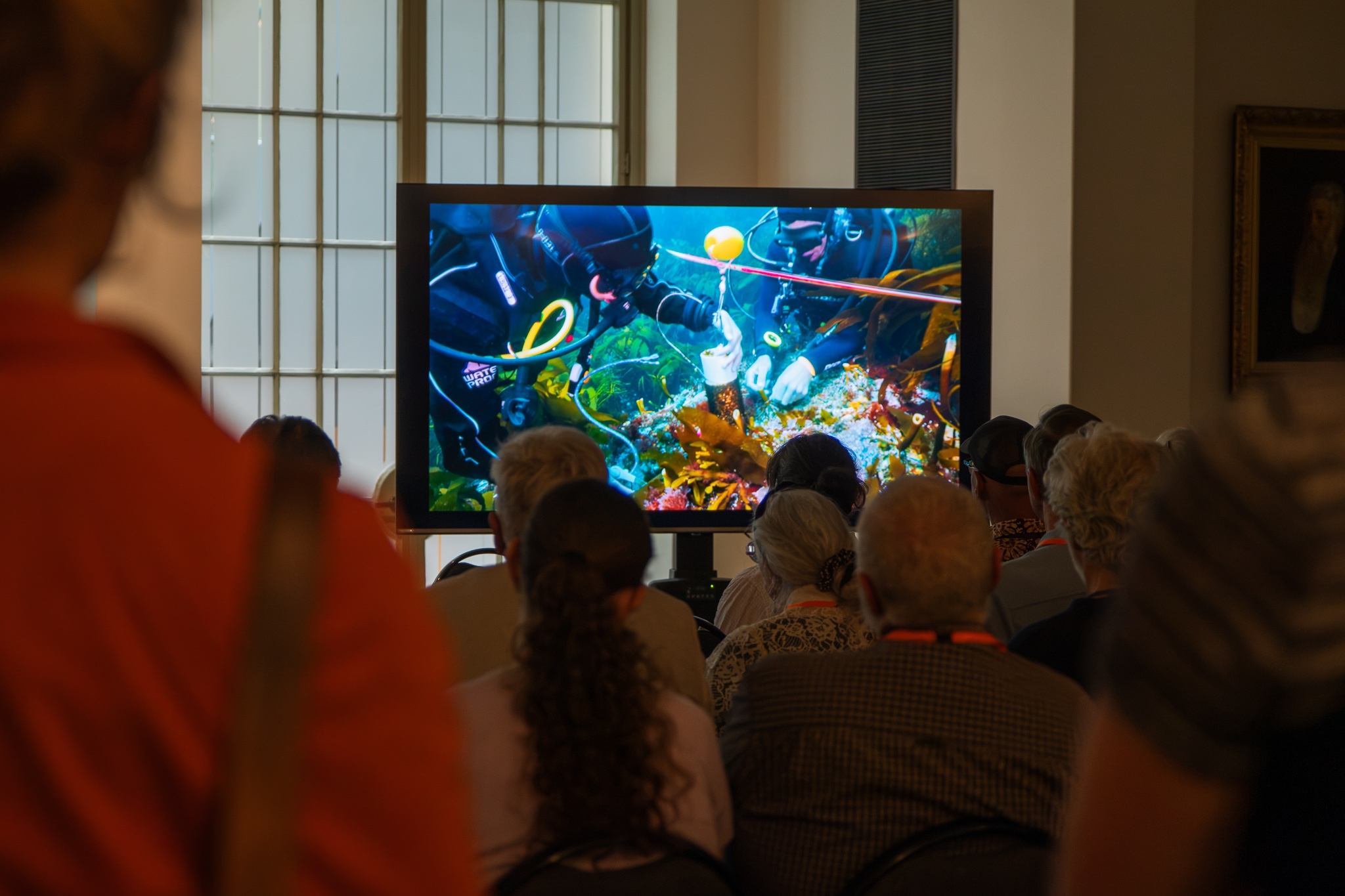
The Parliament House event featured the screening of a brand new film as a part of the campaign launch, and a fantastic panel featuring Tas Abalone Council vice-president Joey McKibben, reef ecologist Dr Scott Bennett, ecotourism skipper and rec fisher Tim Cunningham, Craig Garland MP and five-time Australian Olympic gold medallist and ocean advocate Dr Shane Gould.
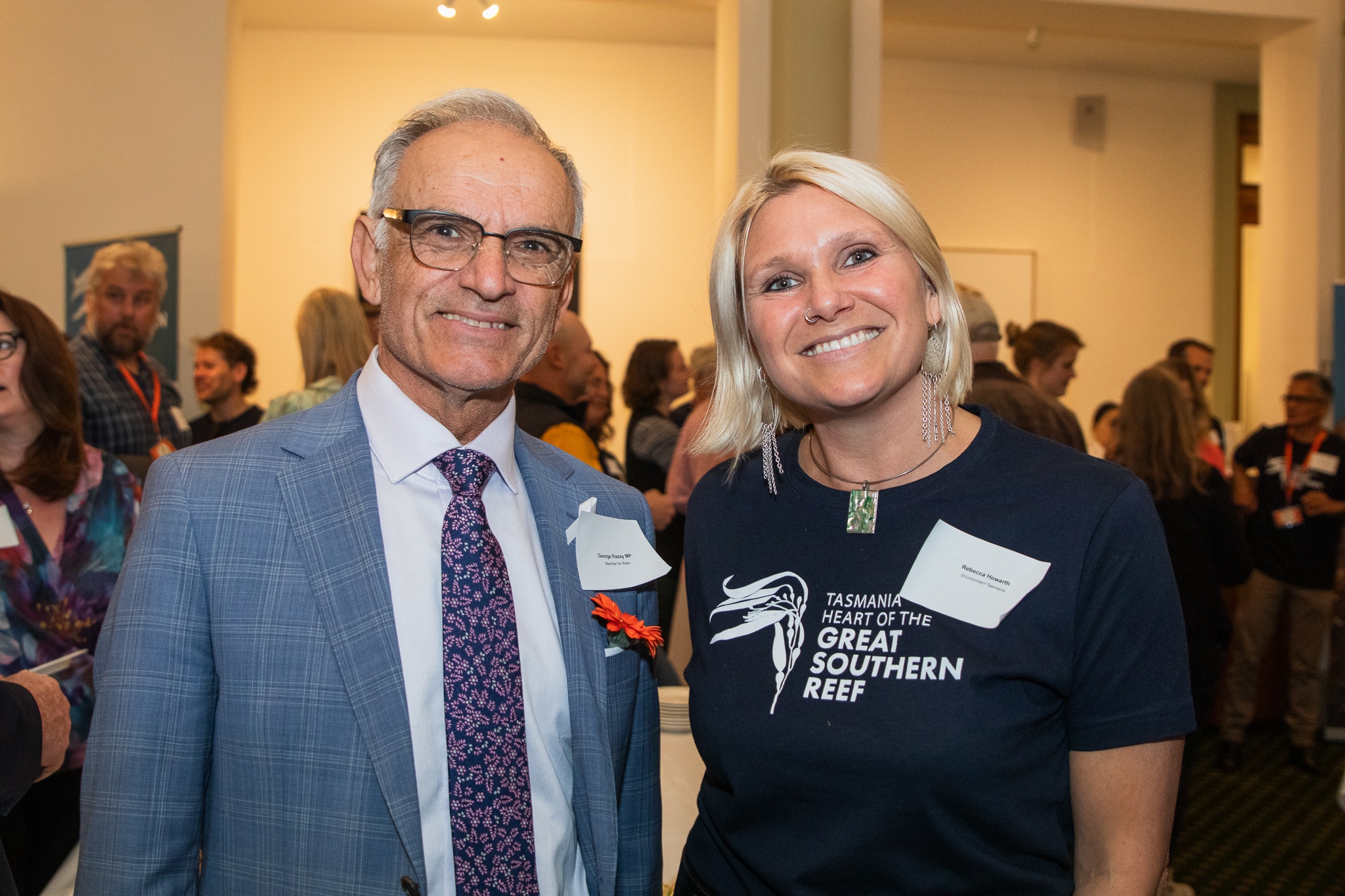
Many elected representatives also came to celebrate Tasmania’s marine environment. Environment Tasmania’s Senior Marine Campaigner said:
“A huge thank you to all our elected representatives who are in the room. It means a lot to us that you're here to show that you also care about the Great Southern Reef, and it means a lot to us that we're able to share and celebrate that feeling of awe and wonder in the natural marine environment that we have here in Tasmania.”
Dr Phill Pullinger, director of Kuno, shared a story about the awe and wonder him and his brother experienced growing up snorkelling on Tasmania’s coast:
“We would chuck on our wetsuits and snorkels and go out to a secret spot, a little crevice in the rock just along the shore, where there was a world we felt no one else knew about. [...] At the time, we didn't realize that this place is actually one of the most important temperate marine ecosystems on the planet. A place as significant as Ningaloo and the Great Barrier Reef is for tropical corals.
So we're very thankful for the scientists who have dedicated their lives to making us all aware of how special this place is, and for people like Bec [Howard] and Craig [Garland] and others who have dedicated their lives to drawing attention to the needs of this marine environment. We're also very thankful that the government has recognised this and made a commitment to better protect the marine environment through the Marine Environment Act.”
To learn more visit: www.tasmaniaheartofthegreatsouthernreef.com


Kuno
Tasmania: Heart of the Great Southern Reef is a new statewide campaign from Environment Tasmania, in partnership with the Great Southern Reef Foundation and Kuno, celebrating the unique and important marine life of Tasmania.
This week the campaign launched with a big event in Parliament House, Nipaluna / Hobart, at the heart of Tasmania’s political decision-making. The event brought together an incredible group of people from across Tasmania’s marine community to shine a light on the extraordinary underwater world surrounding Tasmania’s coastline.
The Great Southern Reef stretches more than 8,000 kilometres around southern Australia and is one of the world's largest temperate reef systems. It supports extraordinary biodiversity, vast kelp forests and thousands of marine species. Tasmania sits at the ecological heart of this remarkable reef system and is recognised as its richest and most biodiverse region.
The Parliament House event featured the screening of a brand new film as a part of the campaign launch, and a fantastic panel featuring Tas Abalone Council vice-president Joey McKibben, reef ecologist Dr Scott Bennett, ecotourism skipper and rec fisher Tim Cunningham, Craig Garland MP and five-time Australian Olympic gold medallist and ocean advocate Dr Shane Gould.
Many elected representatives also came to celebrate Tasmania’s marine environment. Environment Tasmania’s Senior Marine Campaigner said:
“A huge thank you to all our elected representatives who are in the room. It means a lot to us that you're here to show that you also care about the Great Southern Reef, and it means a lot to us that we're able to share and celebrate that feeling of awe and wonder in the natural marine environment that we have here in Tasmania.”
Dr Phill Pullinger, director of Kuno, shared a story about the awe and wonder him and his brother experienced growing up snorkelling on Tasmania’s coast:
“We would chuck on our wetsuits and snorkels and go out to a secret spot, a little crevice in the rock just along the shore, where there was a world we felt no one else knew about. [...] At the time, we didn't realize that this place is actually one of the most important temperate marine ecosystems on the planet. A place as significant as Ningaloo and the Great Barrier Reef is for tropical corals.
So we're very thankful for the scientists who have dedicated their lives to making us all aware of how special this place is, and for people like Bec [Howard] and Craig [Garland] and others who have dedicated their lives to drawing attention to the needs of this marine environment. We're also very thankful that the government has recognised this and made a commitment to better protect the marine environment through the Marine Environment Act.”
To learn more visit: www.tasmaniaheartofthegreatsouthernreef.com
Love what you're reading? Support Kuno donate to support them now
Donate hereYou might like...
What is the Great Southern Reef?
7 facts you didn't know about the Great Southern Reef
Weedy Seadragon
Photo: Damian Brockie. Weedy seadragons belong to the same family as seahorses and pipefishes, but unlike seahorses, they cannot grip with their tails, so they hover and drift, steering with tiny, almost invisible fins.
Nudibranch
Nudibranchs are molluscs that lose their shell after the larval stage. There are more than 3,000 species worldwide, and more than 400 occur in south-eastern Australia.
Newsletter
Sign up to keep in touch with articles, updates, events or news from Kuno, your platform for nature