Coast to Cradle Corridor

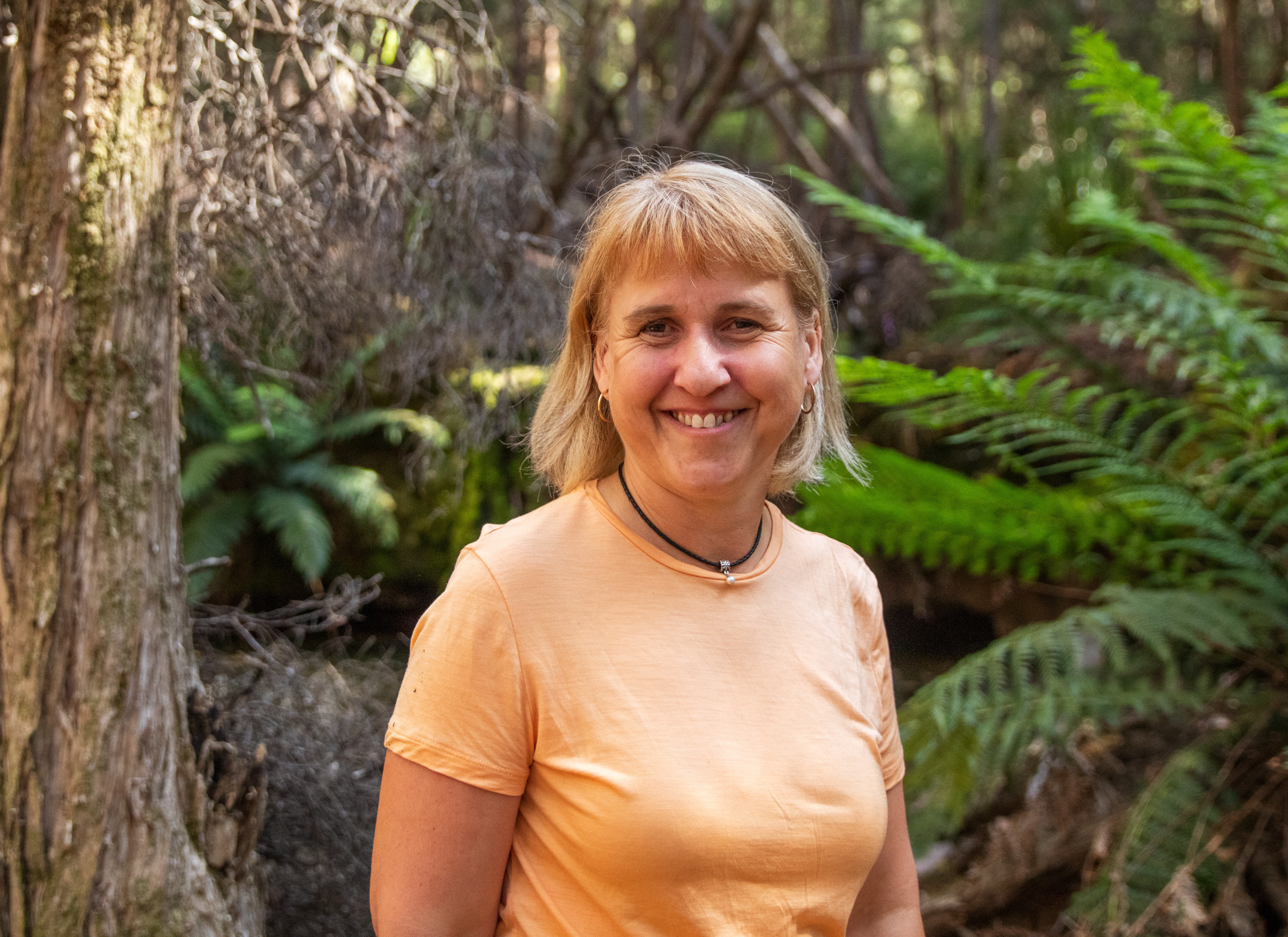
Sue Robertson
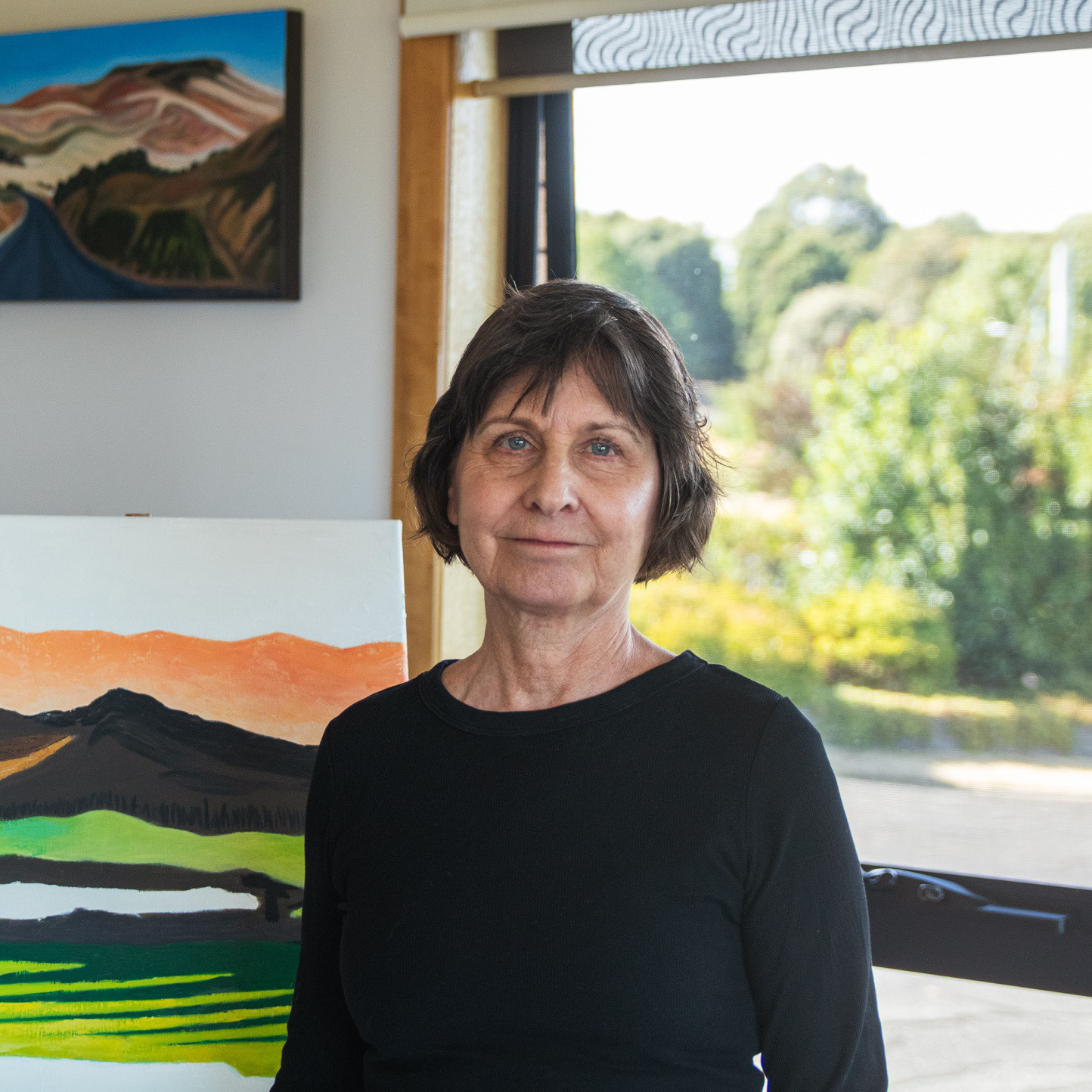
Louise Daniels
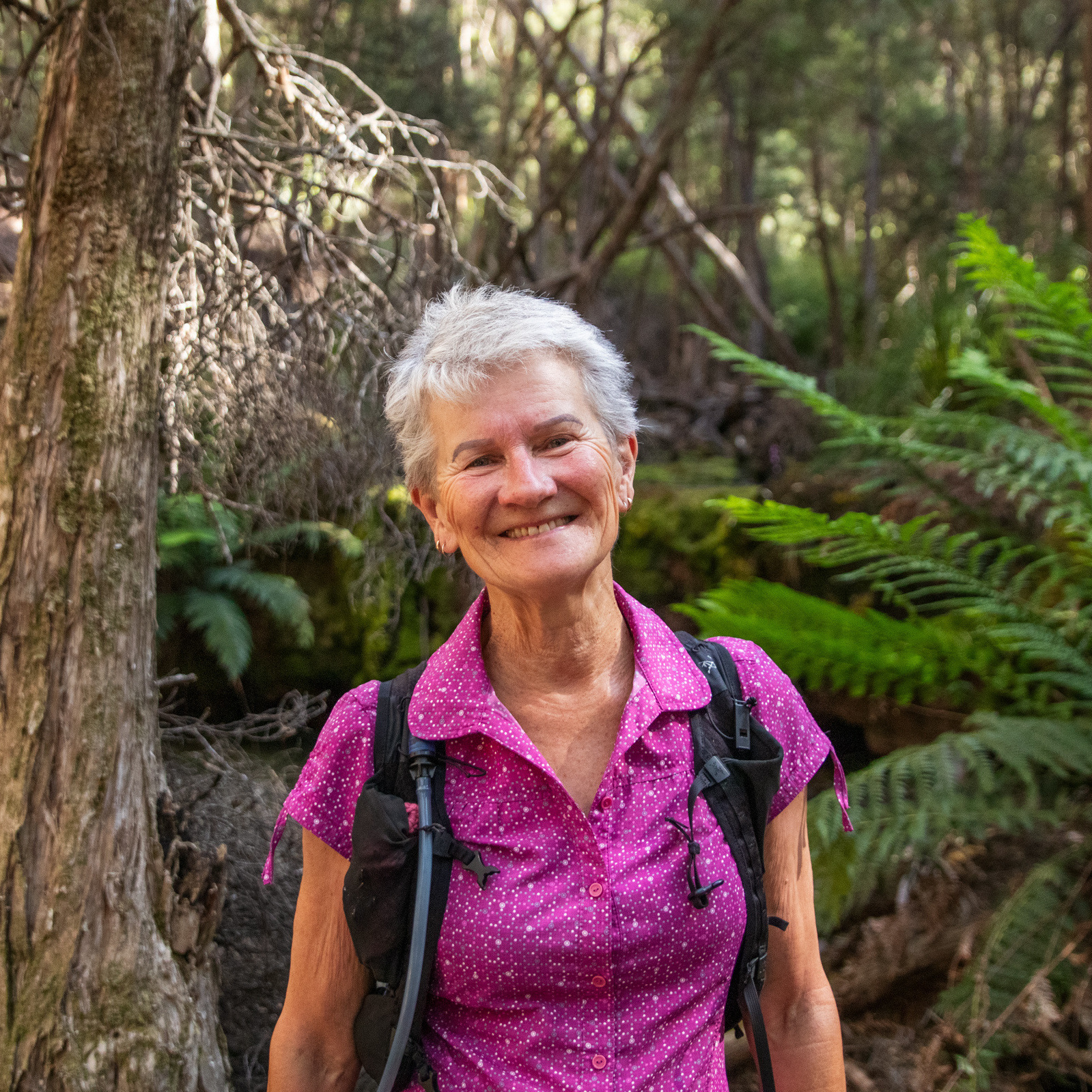
Billie Hicks
Lyndon O'Neil

Curated by Sue Robertson and 8 others

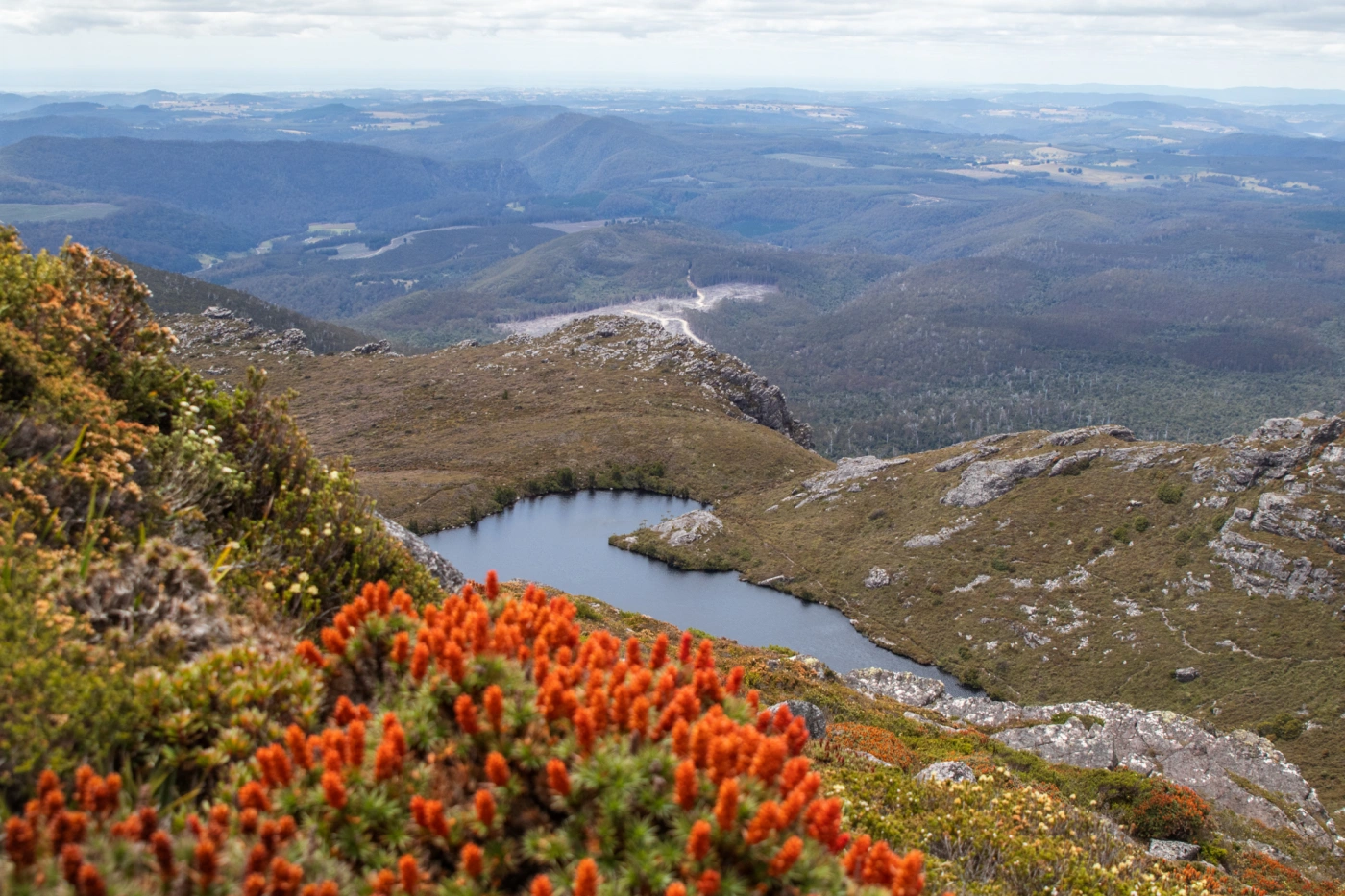
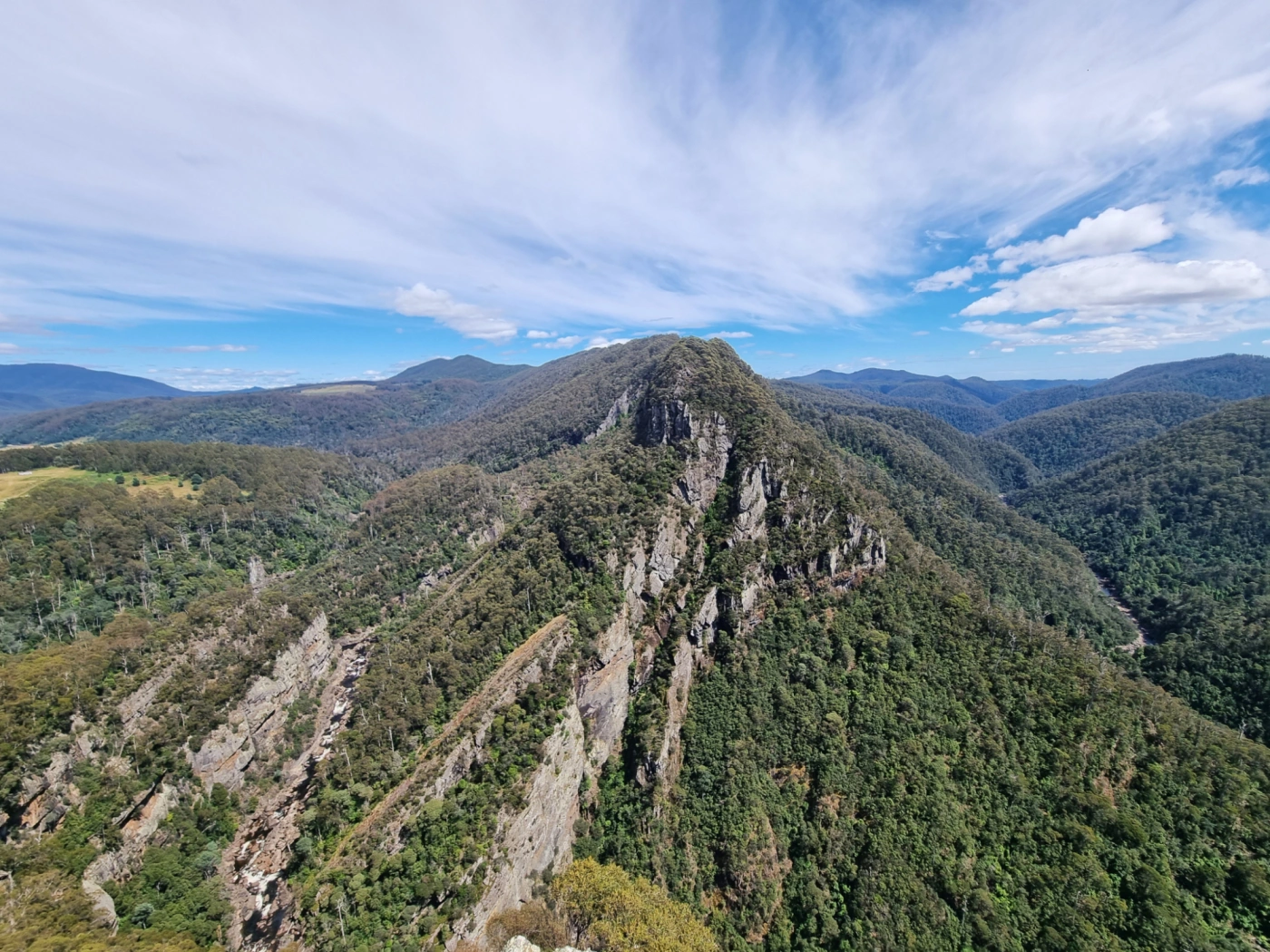
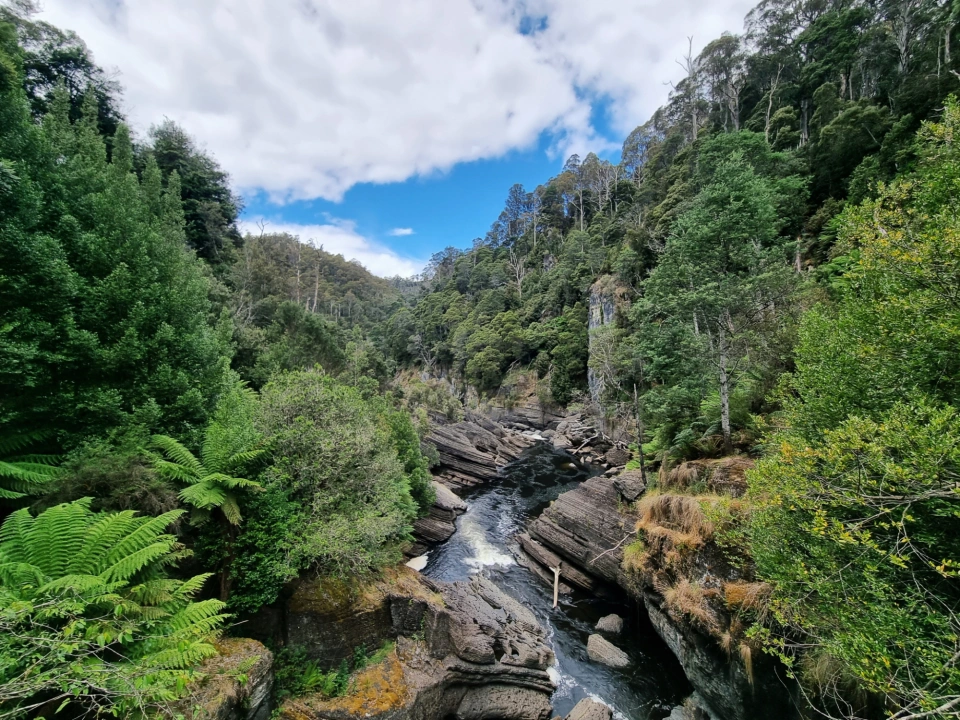
The Coast to Cradle Wild Country corridor connects the beauty of Tasmania's North-West coast over the forested hinterland of the Dial range, on past a dramatic, steep-sided gorge carved by the Leven River, to the spectacular wild mountain of Black bluff and on to Cradle mountain and the Tasmanian wilderness world heritage area. This landscape features spectacular geological formations, the deepest limestone gorge in Tasmania, sheer cliffs, series of rapids, waterfalls, and critically important intact ecosystems.

Leven Canyon by Tilde Bergstrom

Leven Canyon by Tilde Bergstrom

About the region Articles about Coast to Cradle Corridor Conservation Things to Do Nature Community

About the region

Coastal beauty, forested hinterland, a deep river canyon and alpine mountains

The Coast to Cradle wild country corridor is located on Tasmania’s central north coast. Penguin is the gateway to this remarkable landscape, which stretches from the coast through the forested Dial Range, along the Leven River and its deep canyon, and up to the alpine slopes of Black Bluff. It forms a critical ecological and recreational corridor linking Tasmania’s north coast to Cradle Mountain and the Tasmanian Wilderness World Heritage area. 

This region encompasses a sweep of very special wild, scenic and ecologically important landscapes.

Leven Canyon Floor 132344 by Tilde Bergstrom

Leven Canyon

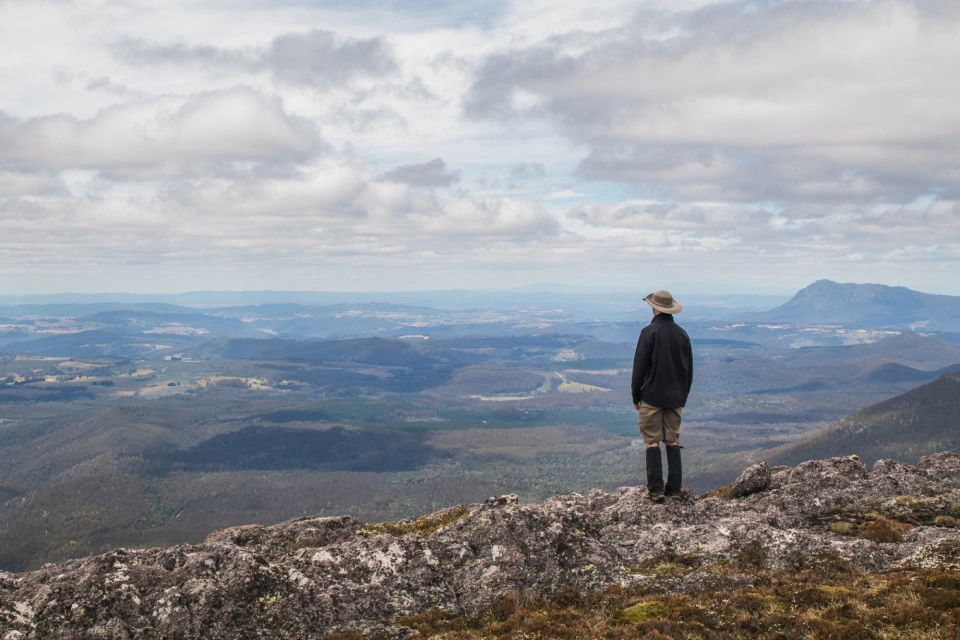
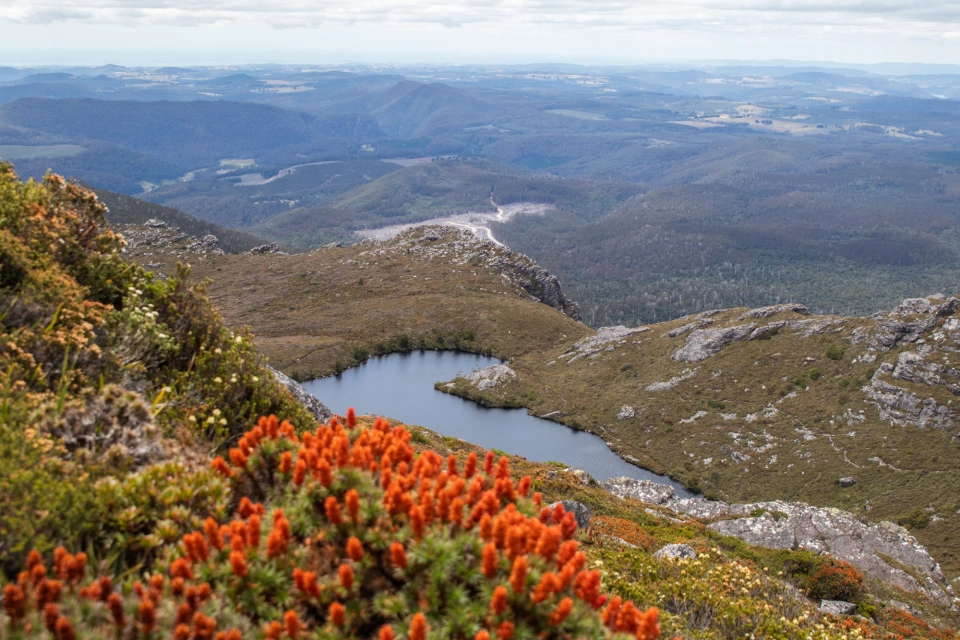
Black Bluff Mountain, by Tilde Bergstrom

Black Bluff

Paddys Lake, Black Bluff, by Tilde Bergstrom

Paddys Lake

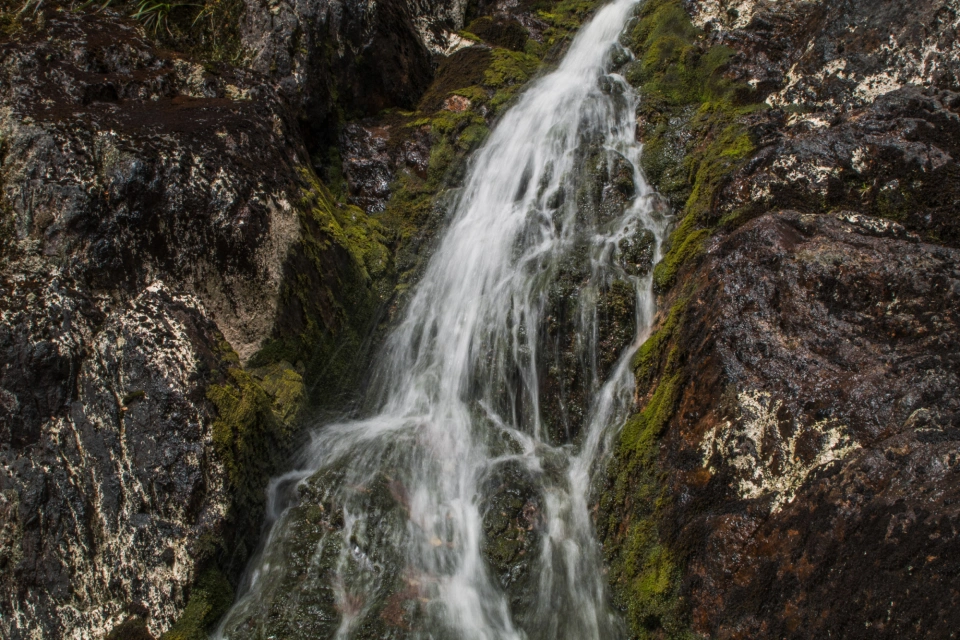
Winterbrook Falls 0395 by Tilde Bergstrom

Winterbrook Falls

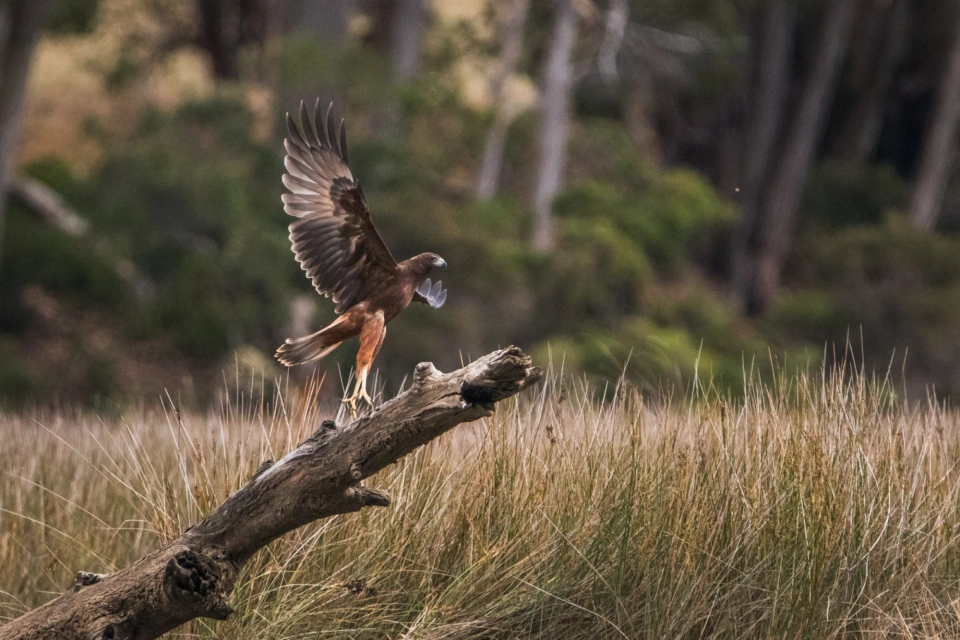
Swamp harrier Leven River 0638 by Tilde Bergstrom

Swamp Harrier on the Leven River

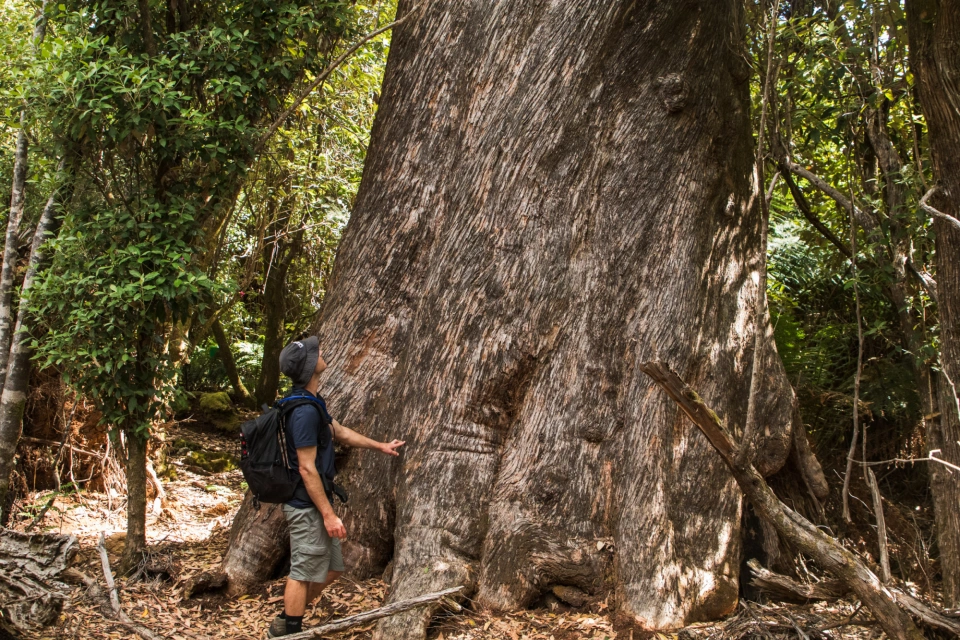
Giants of the Leven Big Tree 2 0287 by Tilde Bergstrom

Giants of the Leven

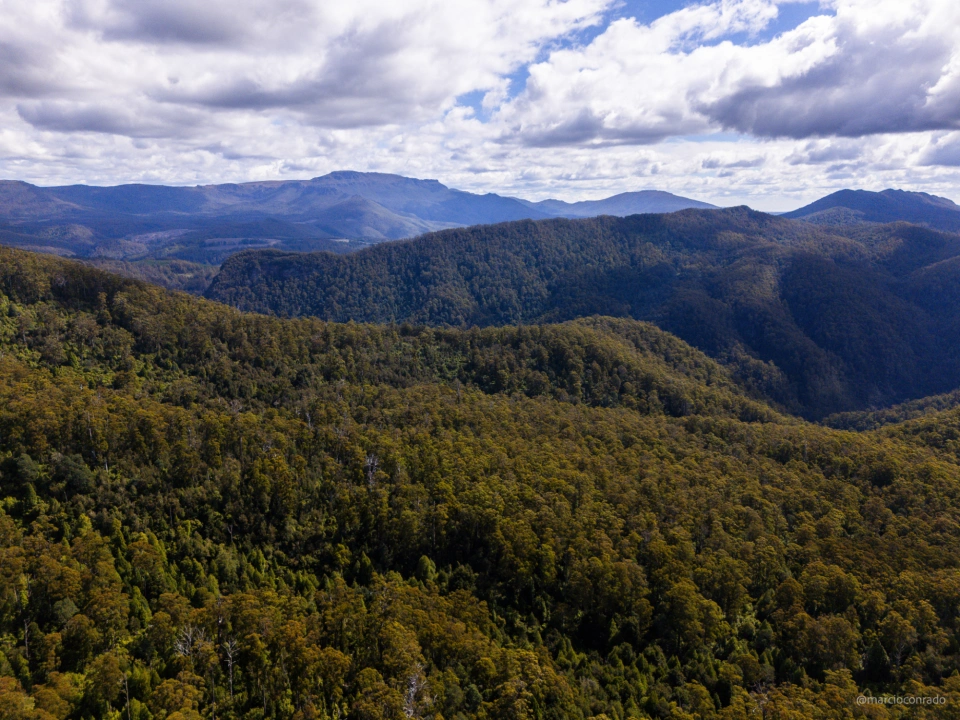
Giants of the Leven Marcio Conrado DJI 20240303005456 0528 D

Dial Range

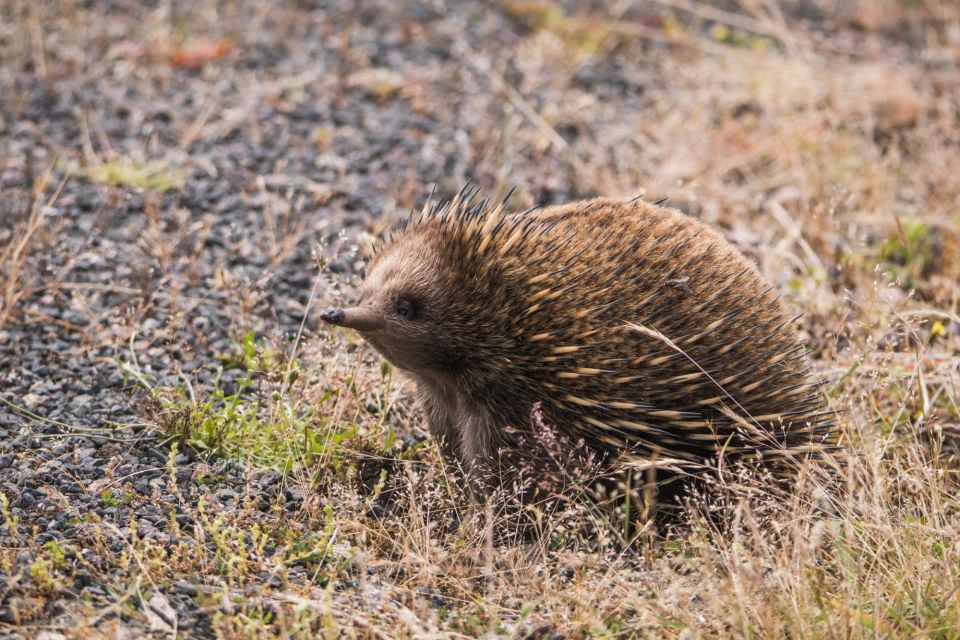
Echidna 0258 by Tilde Bergstrom

Echidna

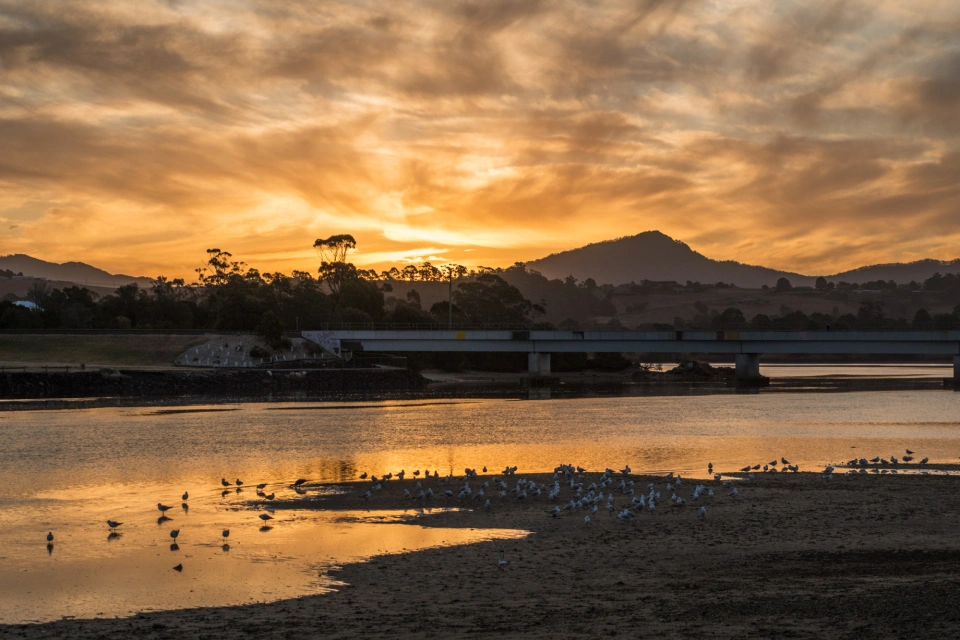
Leven River sunset 0308 by Tilde Bergstrom

Leven River

Help us to build a platform to connect people with planet earth!

Become a supporter

Articles about Coast to Cradle Corridor

See more articles

Our responsibility to bring children into nature

Tasmanian outdoor guide, naturalist and former educator Peter Marmion talks about the importance of bringing kids out in nature. 

Mountain biking on the north west coast

The Dial Range offers a broad spectrum of terrain for mountain biking. Chris Stredwick, Vice president of the Cradle Coast Mountain Bike Club, has spent...

The Dial Range: an artist's perspective

Louise Daniels is a Tasmanian visual artist of Trawlwoolway/Palawa heritage. Her art practice incorporates drawing, painting, and wire sculpture, with her work often referencing Country...
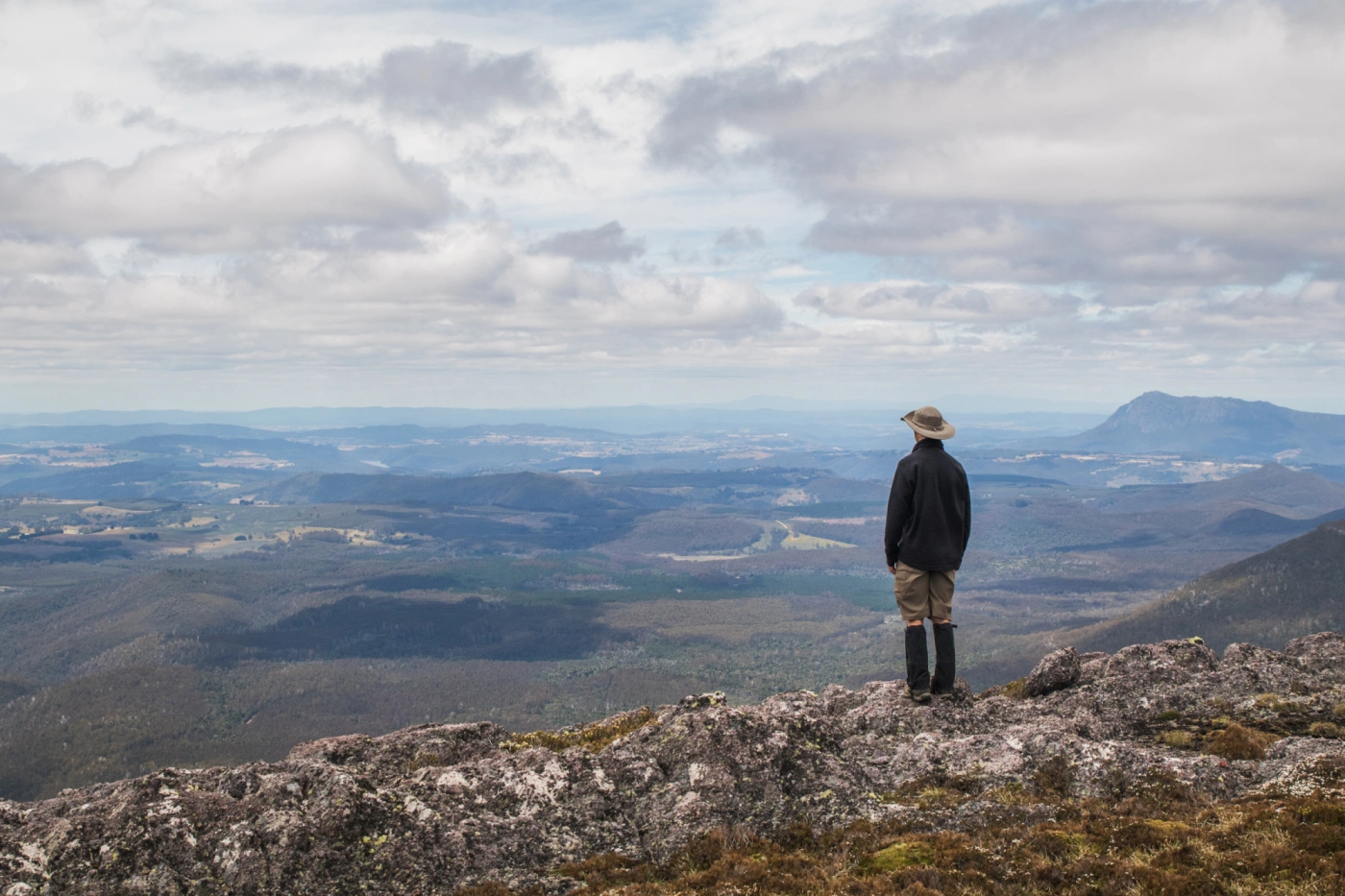
A sense of achievement

Hiking up a mountain provides a valuable sense of achievment. 
Black Bluff Mountain, by Tilde Bergstrom

Black Bluff Mountain, by Tilde Bergstrom

Conservation

This area forms part of a relatively intact ecological corridor, linking various forest and alpine habitats.

The area forms part of a relatively intact ecological corridor, linking various forest and alpine habitats. Its relatively low levels of fragmentation make it a critical area for climate refugia, allowing species to shift ranges due to climate change.

The Dial Range acts as a ‘forested island in a sea of farmland’, sheltering endangered and threatened wildlife and maintaining intact habitat patches and forest connectivity across approx. 5,200 ha of relatively undisturbed land.

The Leven Canyon Regional Reserve is noted as “an important wildlife corridor between Cradle Mountain and the coast,” essential for species movement and ecological health, supporting species like giant freshwater crayfish, quolls, echidnas and devils. 

This is an outstanding part of Tasmania's natural heritage. 

Conservation efforts for Coast to Cradle Corridor

See more conservation efforts
Tilde Bergstrom 2026 04 28 1604

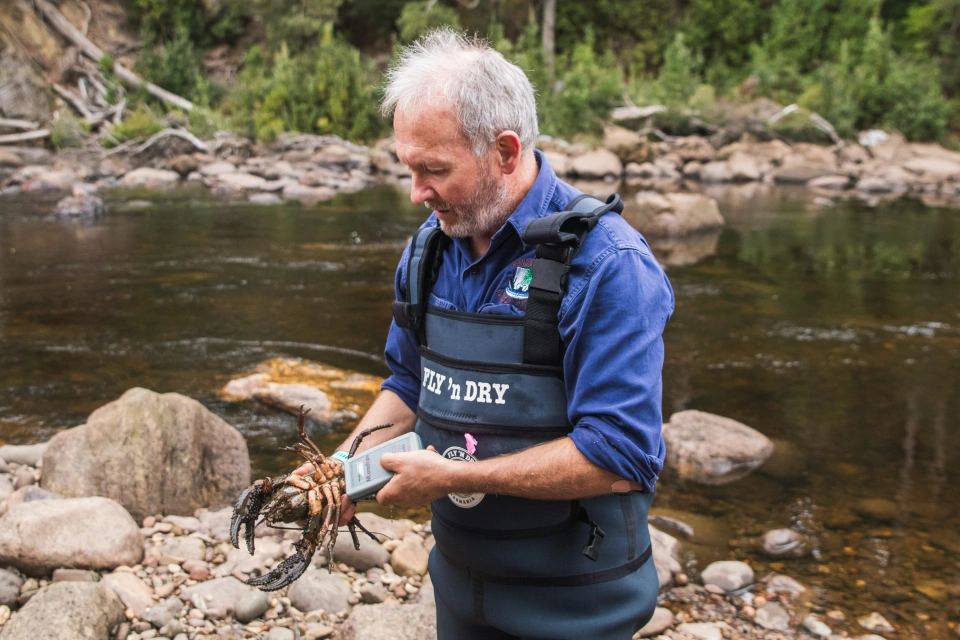
Giant freshwater crayfish surveying with Todd Walsh

Kuno follows along Tasmanian giant freshwater crayfish expert Todd Walsh for a day in the field, tracking and surveying this unique endemic species. 
Read more
Paddys Lake, Black Bluff, by Tilde Bergstrom

Paddys Lake, Black Bluff, by Tilde Bergstrom

Nature

The Coast to Cradle Wild Country Corridor forms an important wildlife corridor between Cradle Mountain and the coast.

The specular part of the world is essential for species movement and ecological health, essential for supporting species like giant freshwater crayfish, quolls, echidnas and devils.

The region supports diverse vegetation communities, including; wet and dry sclerophyll forests, important pockets of Eucalyptus viminalis (white gum) on basalt, rainforest patches in sheltered gullies, alpine and subalpine communities at higher elevations (like Black Bluff).

It is also home to numerous endemic and threatened species, such as the Tasmanian wedge-tailed eagle, the Tasmanian devil, the Grey Goshawk and the Giant freshwater crayfish, which is endemic to northern Tasmania. 

It is also home to unique plant species, including rare orchids and mountain flora, and the endemic and endangered King Billy Pine (Athrotaxis selaginoides). 

The species of Coast to Cradle Corridor

See more nature

Tasmanian giant freshwater crayfish (Astacopsis gouldi)

The Tasmanian giant freshwater crayfish is the largest freshwater invertebrate in the world. Photo: Tilde Bergstrom 

Read more

Spotted-tailed Quoll

The Spotted-tailed Quoll is the second largest carnivorous marsupial in Australia after the Tasmanian Devil.

Read more

Tasmanian Pademelon

The Tasmanian pademelon is a small wallaby that inhabits the dense forests of Tasmania. Picture: Dan Broun

Read more

Tasmanian Devil

The Tasmanian Devil, the largest carnivorous marsupial in the world, is a true icon for the Tasmanian state. 

Read more

Bennett's Wallaby

Bennett’s wallaby, also known as the Red-necked wallaby, is a medium-sized marsupial native to Tasmania and eastern Australia. Photo: Valeriia Miller 

Read more

Echidna

Echidnas, also known as spiny anteaters, are unique mammals native to Australia and New Guinea. Image: Dan Broun

Read more

Myrtle beech

The Myrtle beech, or simply 'Myrtle' is the dominant species of Tasmania's rainforests. Myrtle trees can grow up to 55m tall, and have a heart-shaped dark green leaf with a tiny serrated edge.

Read more

Black Currawong

The currawong is a bird found only in Tasmania, frequents forests, and is a glossy all-black colour with a heavy black bill, small white tip to its tail and wingtips, and bright-yellow eyes.

Read more

Coast to Cradle Corridor galleries

See more galleries

Black Bluff & Winterbrook

Black Bluff and Winterbrook are two jewels on the north coast of Tasmania. 

Read more

Woodland birds

We all need a good visual dose of the wonder of Nature sometimes, and we can't always get outside from behind the desk, to breathe it in. Here, we bring it to you, with these beautiful close-ups of our unique woodland bird species, photographed by Tasmanian bird ecologist Dr Eric Woehler (OAM). Take a moment and enjoy.

Read more

Community

A local community that loves the Coast to Cradle landscape

People of this corner of our planet have held a deep and rich relationship with this landscape for more than 40,000 years. 

This is a region of deep first Tasmanian stories, linkages and connections with this land. 

This is a place that many generations of Tasmanians have walked through, found solace in, and have a very special relationship with. 

The North-West Coast community loves and is deeply connected to the importance, beauty and values of this land. 

Billie Hicks

Billie is a coordinator for the North West Walking Club. She leads a monthly walk into various spots of the Dial Range, and she loves to bring new people who's never explore the Dial before. 
Read more

Louise Daniels

Based in Ulverstone, Lutruwita/Tasmania, Louise Daniels is a Palawa woman with a lifelong interest in the visual arts. She has enjoyed the opportunity to focus on art studies and practice in recent years, and her multi-media practice includes landscape paintings...
Read more

Todd Walsh

Todd Walsh is Australia's foremost expert on the giant freshwater crayfish, the world's largest invertebrate and a species endemic to Tasmania. 
Read more

Jess Ewing

Jess is a nature lover and artist. She enjoys spending time outdoors, bushwalking and gardening. 
Read more

Lyndon O'Neil

Lyndon O’Neil is a Tasmanian Leader, Aboriginal educator, cultural practitioner and founder of Healthy Country Services.
Read more

Marcio Conrado

Experienced video producer from Brazil, degree in Communication.
Read more

Phill Pullinger

Phill is a GP, conservationist, author of Tarkine Trails, and co-founder of Kuno. Phill has broad expertise and a long held passionate commitment to the natural world.
Read more

Sue Robertson

Sue is an avid hiker and nature lover living in Penguin, North-West Tasmania. She often hikes in the Dial Range, which is close to home, and she loves looking for minutiae in nature; small orchids, little fungi and other miniature...
Read more

Tilde Bergström

Tilde is a photographer, storyteller and outdoor lover from Sweden. She is the conservation stories editor for Kuno. 
Read more

Cradle Coast Mountain Bike Club

The Cradle Coast Mountain Bike Club (CCMBC) was established to progress the interests of mountain biking in North West Tasmania. The Club manages the Penguin Mountain Bike Park and nearby Dial Range Mountain Bike network.
Read more

Protect Our North West Forests

Protect Our North West Forests are actively working to protect native forest ecosystems from the impacts of logging and other harmful industries or activities.
Read more

Newsletter

Sign up to keep in touch with articles, updates, events or news from Kuno, your platform for nature