
Giant freshwater crayfish surveying with Todd Walsh
Coast to Cradle Wild Country
It’s autumn in Northern Tasmania, and we’re joining Todd for a day in the field, as he captures, tags and surveys the freshwater giants.
We’re not allowed to film or photograph any part of the capturing process, as this species still faces a lot of threat from poaching and illegal consumption.
“The Tasmanian giant freshwater crayfish is the world’s largest freshwater invertebrate. So the Nile, the Amazon, all those large rivers have nothing that’s as big as this guy that lives in this river here”, says Todd, as we’re standing on the bank of the Leven River, running 99 kilometers all the way from Cradle Mountain out to the Bass Strait on the northwest coast.

The name 'giant' is well suited.
This crayfish can live up to 60 years and grow to a maximum of 6 kilos. The average maximum age and weight is still somewhat of a mystery, since systematic surveying has only been going on for 25 years. The longest continuous tracking covers a female that Todd first caught 18 years ago, who has since grown four times her original weight. Todd hopes to continue tracking them for as long as he can.
Todd himself grew up eating the crayfish with his family, in the 70s and early 80s. When the ban on fishing the giant freshwater crayfish came into place in 1998, Todd was initially shocked. But as he realised the plight of the crayfish, he turned to studying them instead.
“To be honest, after catching and eating them for maybe 30 years, it’s much more fun to actually put a microchip in them and then see them again 10 years later”, says Todd.

Since the ban came into effect in the late 90s there’s been a steady increase in population, a positive sign for the once critically endangered species.
But although its situation has improved, there are still threats to be managed. Today the species is listed as ‘vulnerable’ under the Tasmanian Threatened Species Protection Act, and 'Endangered' on the IUCN Red List of Threatened Species.
Other than poaching, habitat disturbance through human interference, land clearing and industry is the biggest threat for this freshwater invertebrate. Todd explains that protecting habitat often means protecting more land than just the specific area where the crayfish is found.
“There should be bigger buffers in headwater streams. Even though you don’t find them in areas above 400 m very often, you still get the issues of all the sediment running down from those areas into their habitat. So if you’re not protecting upstream, then you’re not protecting downstream where you actually find the crayfish.”

Land disturbance through forestry, agriculture or urbanisation leads to increased sediment levels in the rivers, which in turn affects the crayfish.
“And if we look in this river here, you can see lots of rocks. If those rocks get covered in sediment, then the smaller crayfish have got nowhere to hide. And it takes seven years for them to get past hand size, and they’ve got nowhere to hide then — platypus, blackfish, trout, birds, other crayfish, even dragonfly larvae eat them.”
That vulnerability in their early years makes habitat protection all the more urgent. Todd’s hope for the future would be to see bigger protection for Tasmania’s rivers, so that the giant crayfish may one day return to the abundant population it once had.
“My aim, or my legacy I hope, would be that our rivers have bigger protection than they do now. You need to have kids and their grandkids coming down and actually seeing a giant crayfish just wandering through the river, because the protection’s been there for so long that they’re common again.”
------------------------------------------------------------------------
A working group is bringing together a community-led vision for the Coast to Cradle Wild Country, and are inviting the community to drive and shape this vision so it captures their dreams for the future of this very special place.
Have your say by filling out the community survey: https://kuno.earth/articles/community-survey-coast-to-cradle
Kuno
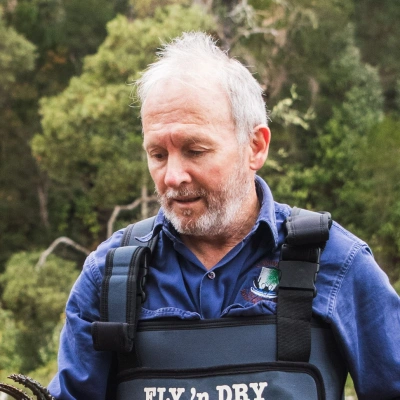
Todd Walsh
Giant freshwater crayfish expert
It’s autumn in Northern Tasmania, and we’re joining Todd for a day in the field, as he captures, tags and surveys the freshwater giants.
We’re not allowed to film or photograph any part of the capturing process, as this species still faces a lot of threat from poaching and illegal consumption.
“The Tasmanian giant freshwater crayfish is the world’s largest freshwater invertebrate. So the Nile, the Amazon, all those large rivers have nothing that’s as big as this guy that lives in this river here”, says Todd, as we’re standing on the bank of the Leven River, running 99 kilometers all the way from Cradle Mountain out to the Bass Strait on the northwest coast.
The name 'giant' is well suited.
This crayfish can live up to 60 years and grow to a maximum of 6 kilos. The average maximum age and weight is still somewhat of a mystery, since systematic surveying has only been going on for 25 years. The longest continuous tracking covers a female that Todd first caught 18 years ago, who has since grown four times her original weight. Todd hopes to continue tracking them for as long as he can.
Todd himself grew up eating the crayfish with his family, in the 70s and early 80s. When the ban on fishing the giant freshwater crayfish came into place in 1998, Todd was initially shocked. But as he realised the plight of the crayfish, he turned to studying them instead.
“To be honest, after catching and eating them for maybe 30 years, it’s much more fun to actually put a microchip in them and then see them again 10 years later”, says Todd.
Since the ban came into effect in the late 90s there’s been a steady increase in population, a positive sign for the once critically endangered species.
But although its situation has improved, there are still threats to be managed. Today the species is listed as ‘vulnerable’ under the Tasmanian Threatened Species Protection Act, and 'Endangered' on the IUCN Red List of Threatened Species.
Other than poaching, habitat disturbance through human interference, land clearing and industry is the biggest threat for this freshwater invertebrate. Todd explains that protecting habitat often means protecting more land than just the specific area where the crayfish is found.
“There should be bigger buffers in headwater streams. Even though you don’t find them in areas above 400 m very often, you still get the issues of all the sediment running down from those areas into their habitat. So if you’re not protecting upstream, then you’re not protecting downstream where you actually find the crayfish.”
Land disturbance through forestry, agriculture or urbanisation leads to increased sediment levels in the rivers, which in turn affects the crayfish.
“And if we look in this river here, you can see lots of rocks. If those rocks get covered in sediment, then the smaller crayfish have got nowhere to hide. And it takes seven years for them to get past hand size, and they’ve got nowhere to hide then — platypus, blackfish, trout, birds, other crayfish, even dragonfly larvae eat them.”
That vulnerability in their early years makes habitat protection all the more urgent. Todd’s hope for the future would be to see bigger protection for Tasmania’s rivers, so that the giant crayfish may one day return to the abundant population it once had.
“My aim, or my legacy I hope, would be that our rivers have bigger protection than they do now. You need to have kids and their grandkids coming down and actually seeing a giant crayfish just wandering through the river, because the protection’s been there for so long that they’re common again.”
------------------------------------------------------------------------
A working group is bringing together a community-led vision for the Coast to Cradle Wild Country, and are inviting the community to drive and shape this vision so it captures their dreams for the future of this very special place.
Have your say by filling out the community survey: https://kuno.earth/articles/community-survey-coast-to-cradle
Love what you're reading? Support Kuno donate to support them now
Donate hereYou might like...
Black Bluff Mountain
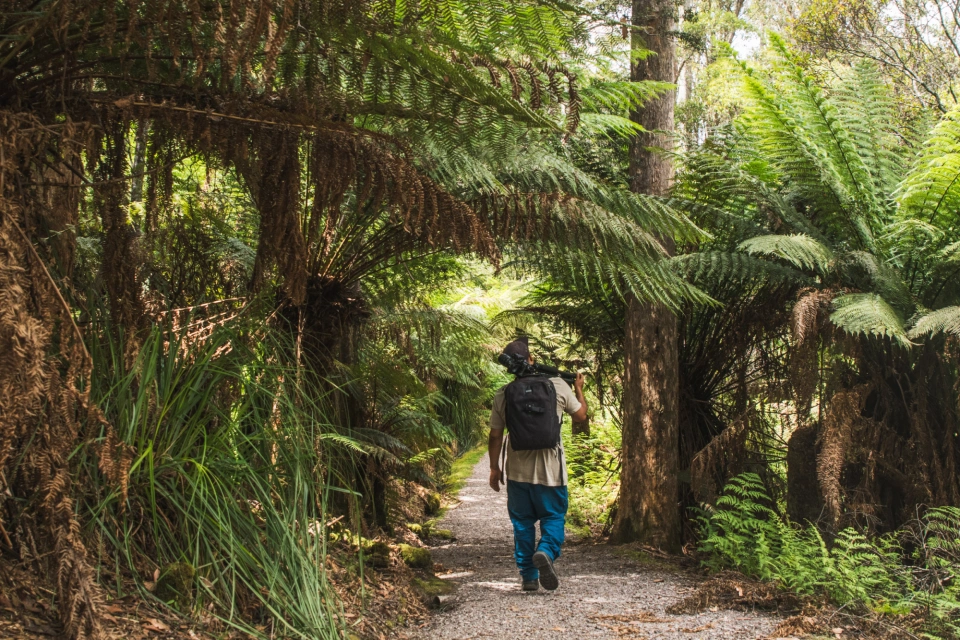
The health benefits of nature
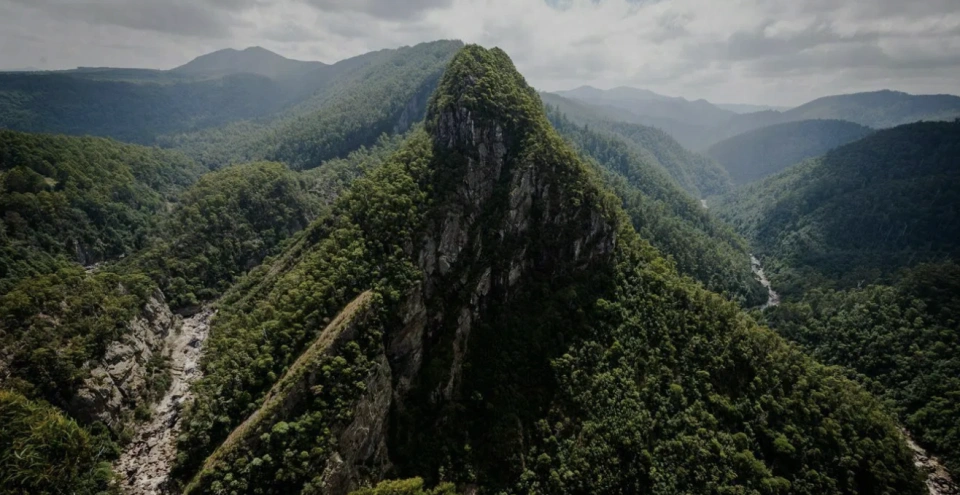
Leven Canyon: spectacular views and versatile biodiversity
Newsletter
Sign up to keep in touch with articles, updates, events or news from Kuno, your platform for nature