


The Great Forest National Park region is dominated by tall eucalypt forests, including mountain ash, alpine ash, and messmate, with pockets of cool temperate rainforest featuring myrtle beech and tree ferns. These forests support diverse wildlife such as Leadbeater’s possum, greater gliders, powerful owls, lyrebirds, and many endemic frogs, reptiles, and invertebrates.
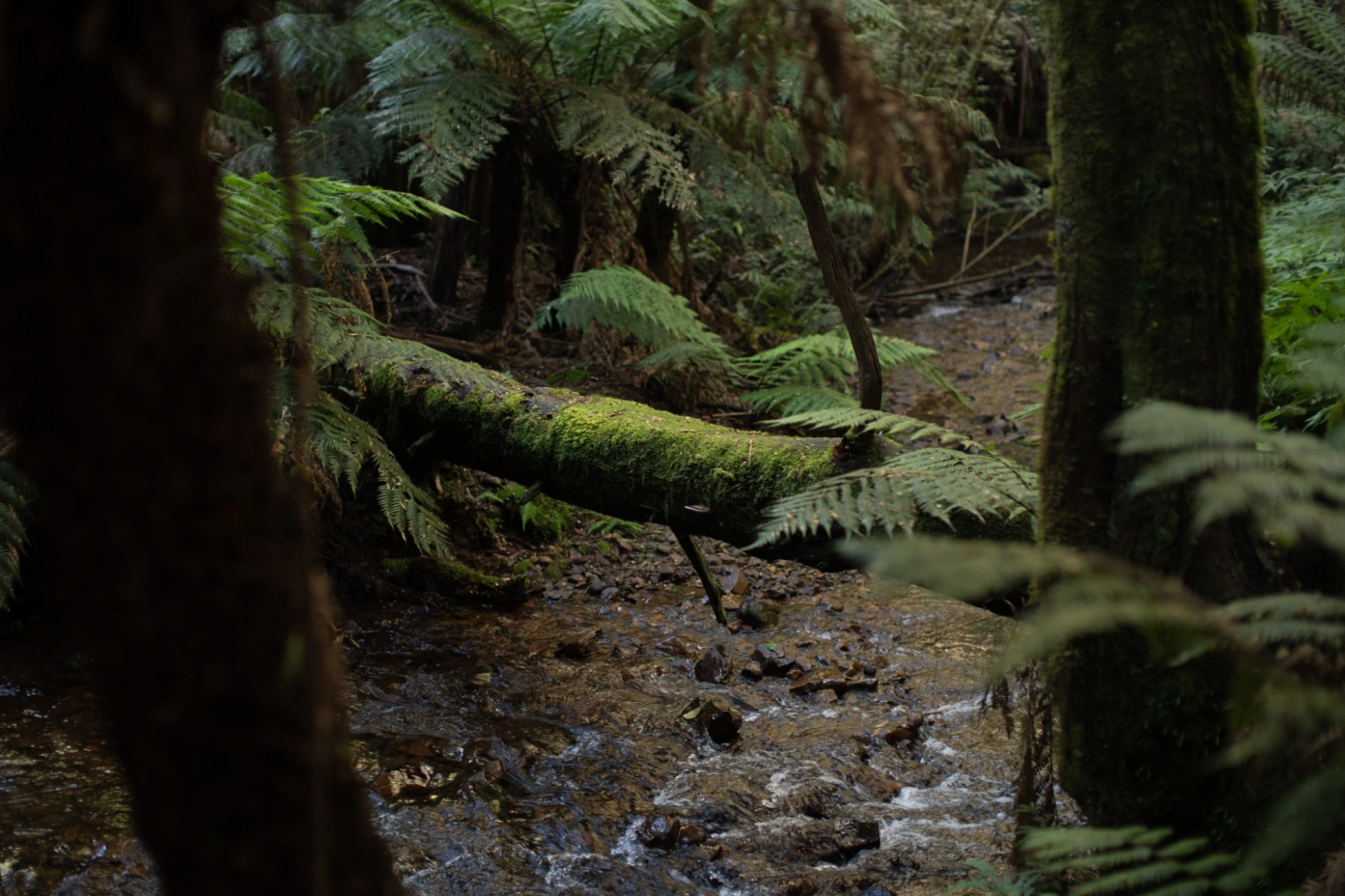
Warburton Forests Cam Suttie
About the region
Only 60 kilometres north east of Melbourne exists the Central Highlands of Victoria, home to the world's tallest flowering plant, the Mountain Ash, and one of Australia's most endangered mammals, the Leadbeater's Possum.
The region is characterised by rugged mountain ranges, tall eucalypt forests, cool temperate rainforests, river catchments, and biodiversity-rich habitats. The Central Highlands region of Victoria is located around towns such as Healesville, Kinglake, Toolangi, Warburton, Marysville and Woods Point. The region includes the vast majority of remaining (and declining) Leadbeater’s Possums, Mountain Ash, the most carbon-dense forests in the world, and supplies most of the drinking water for the city of Melbourne.
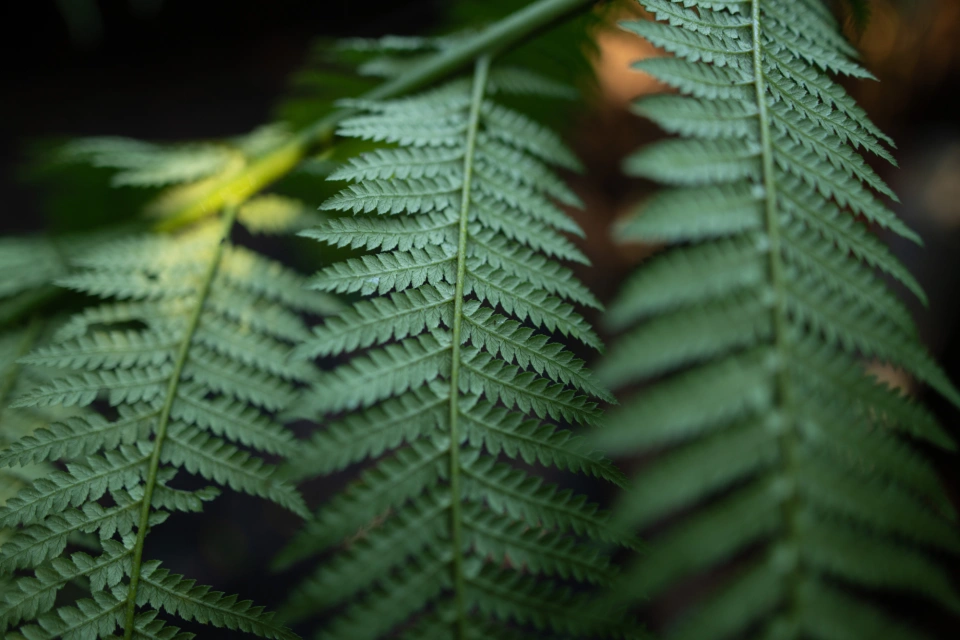
Ferns in Warburton forests by Cam Suttie
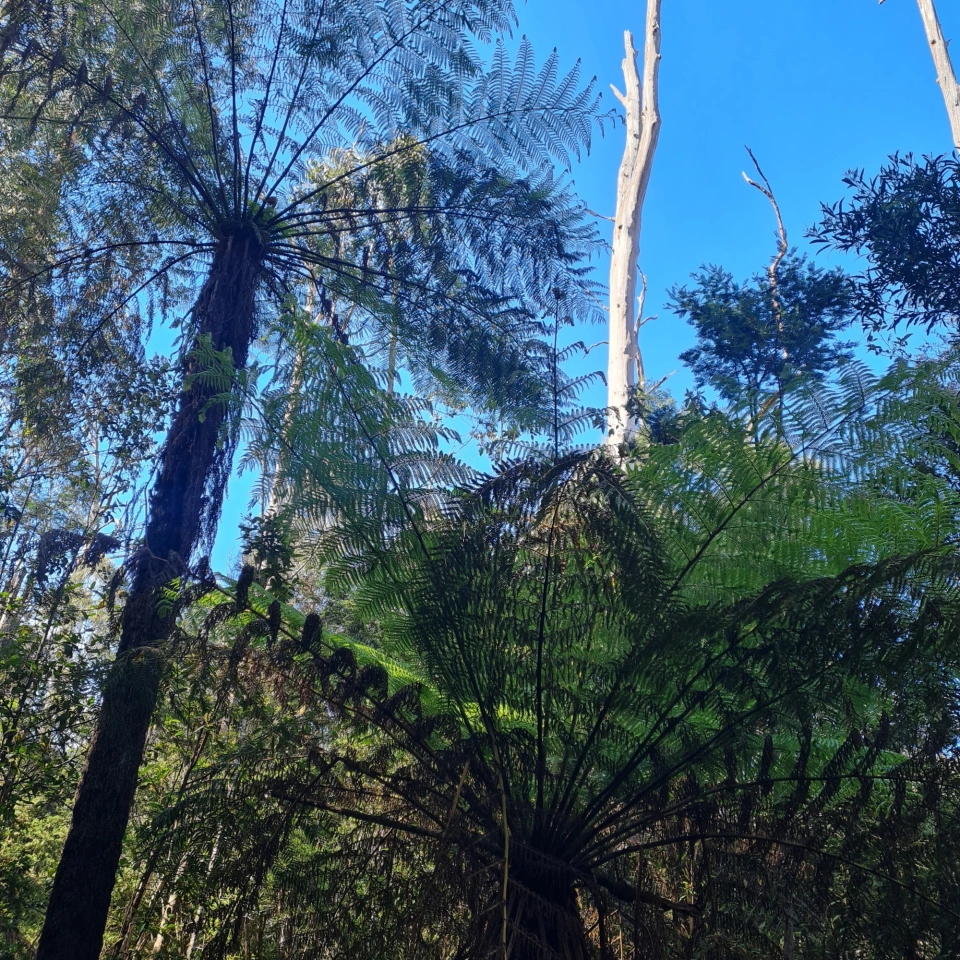
Toolangi Trees- Jess Ewing
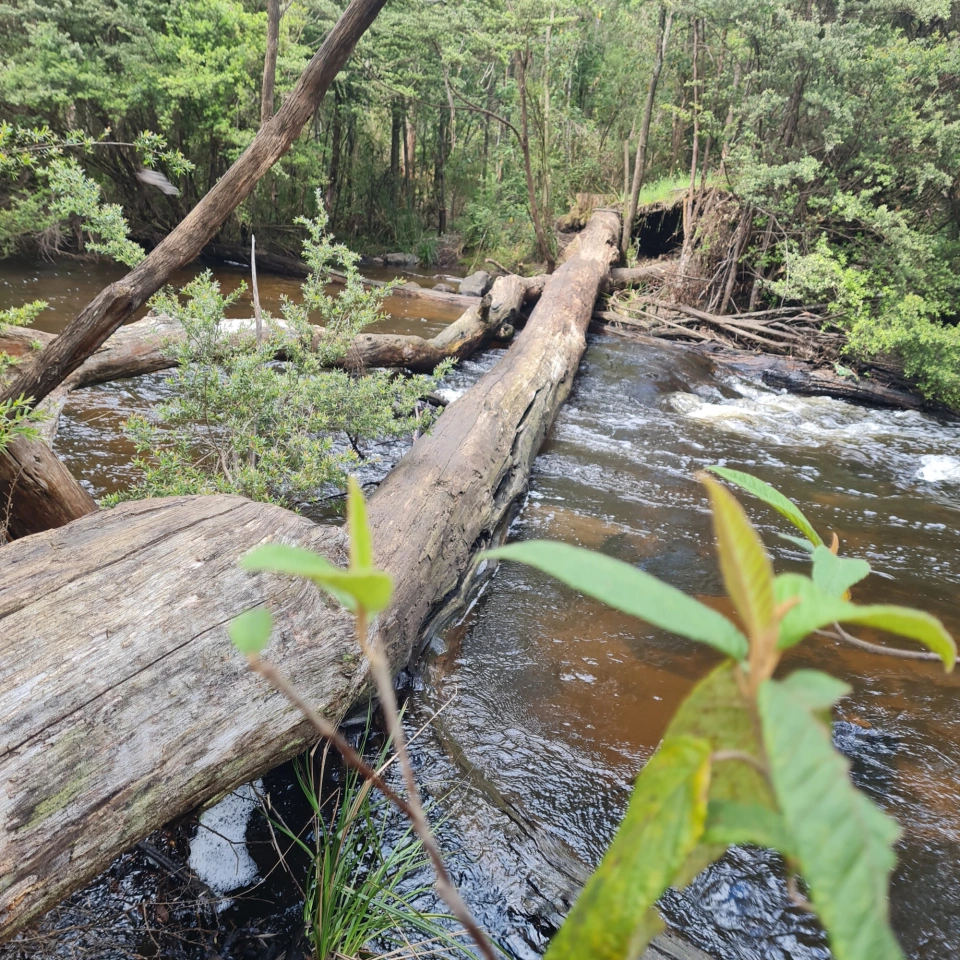
Healesville Creek- Jo Edwards
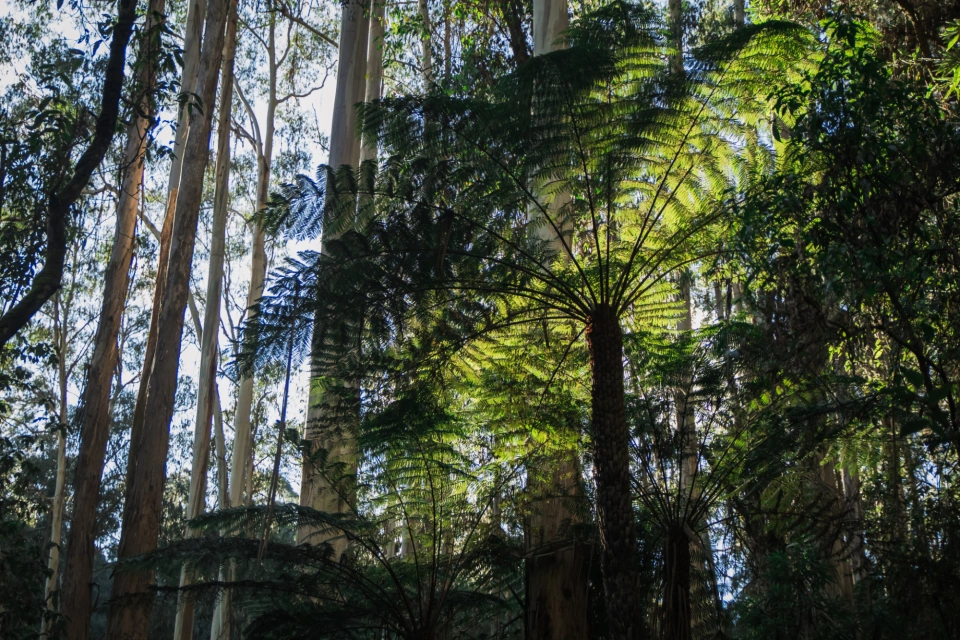
Tree fern at Toorongo Falls - Tilde Bergstrom
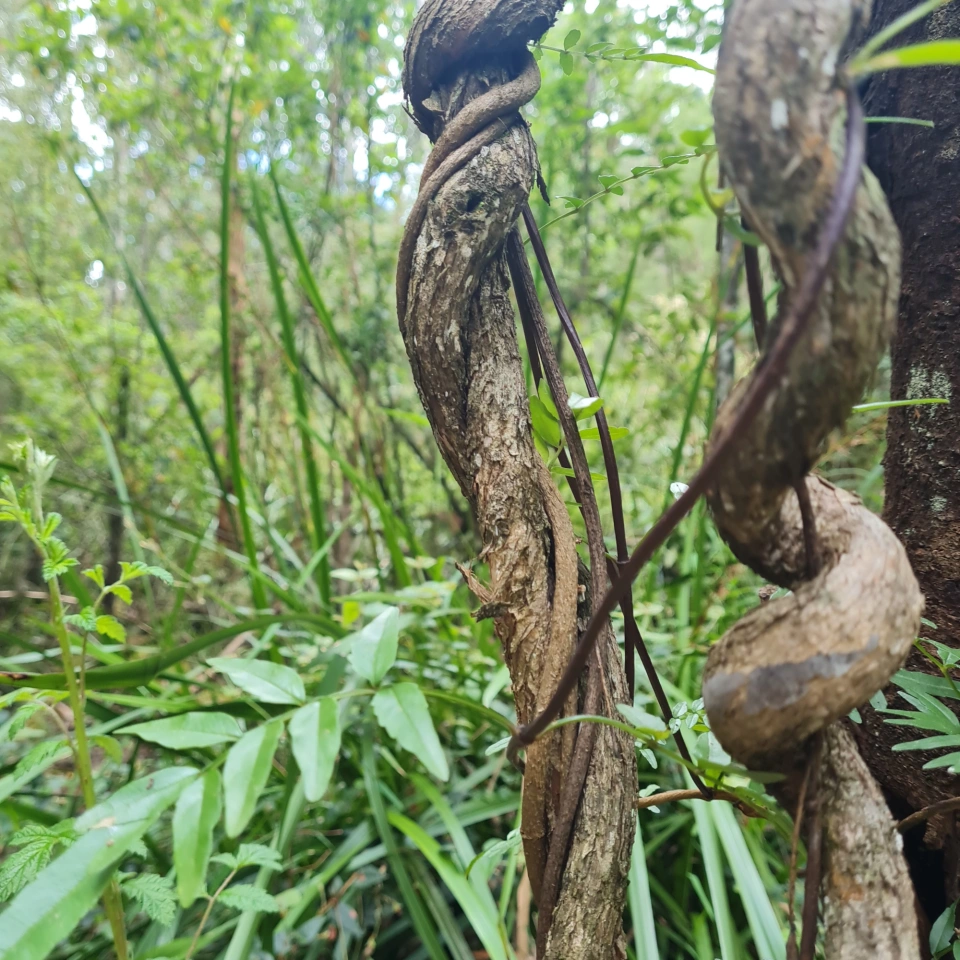
Twisted Branches in Warburton- Jess Ewing

Tree Canopy in GFNP- Jess Ewing
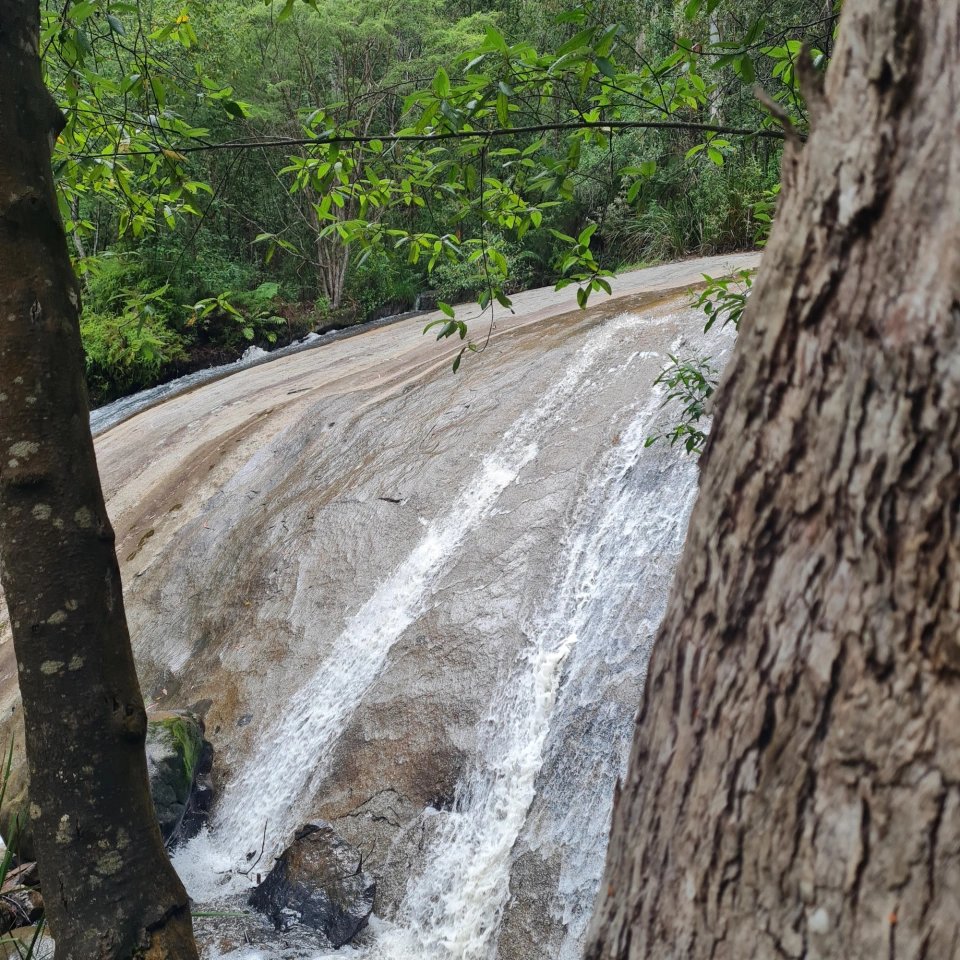
Waterfalls over rocks- Jess Ewing
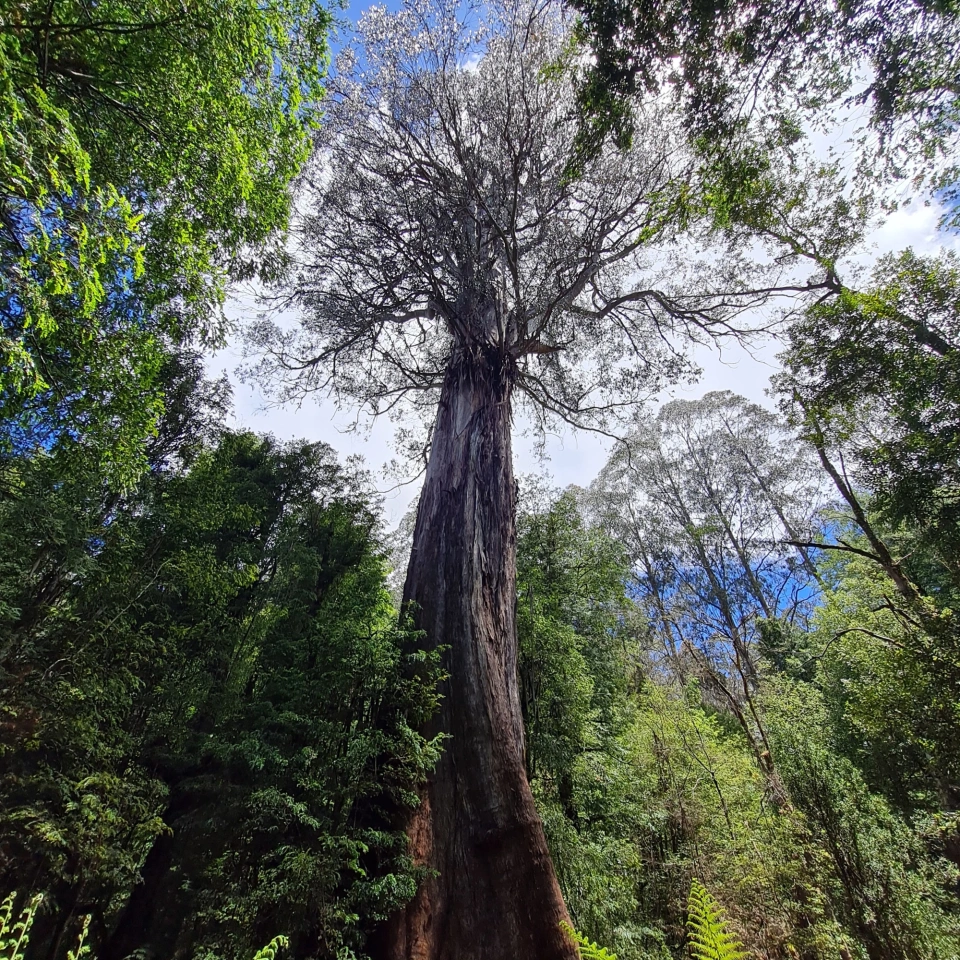
Ada tree, Mountain Ash- Jess Ewing
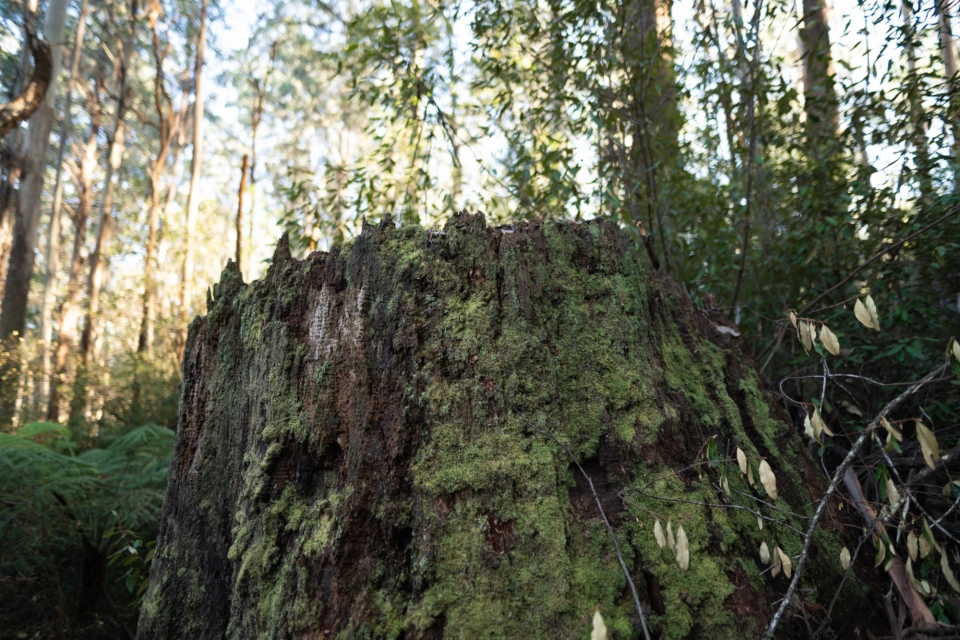
Warburton forests- Cam Suttie
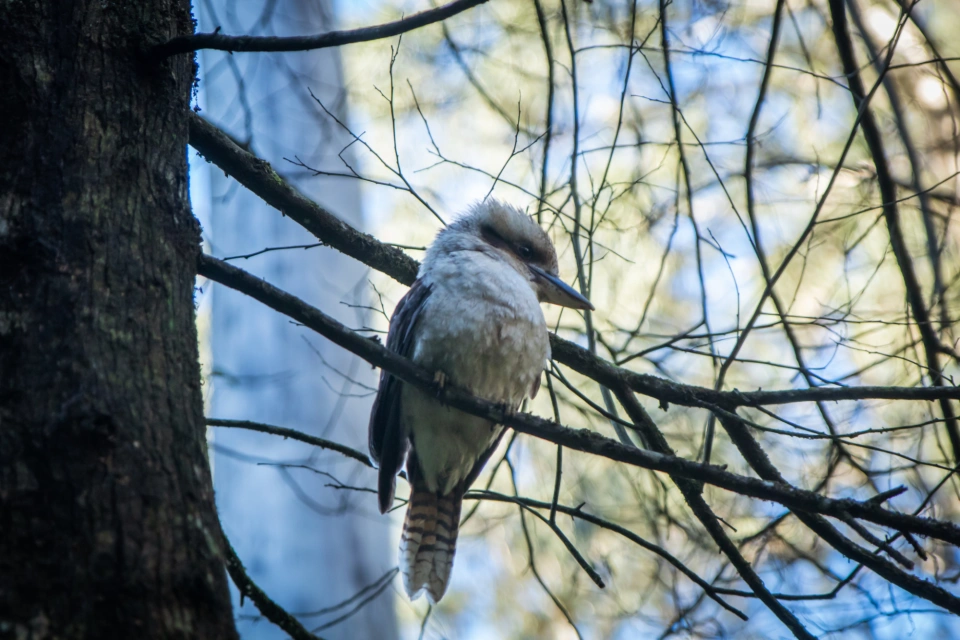
Kookaburra- Tilde Bergstrom
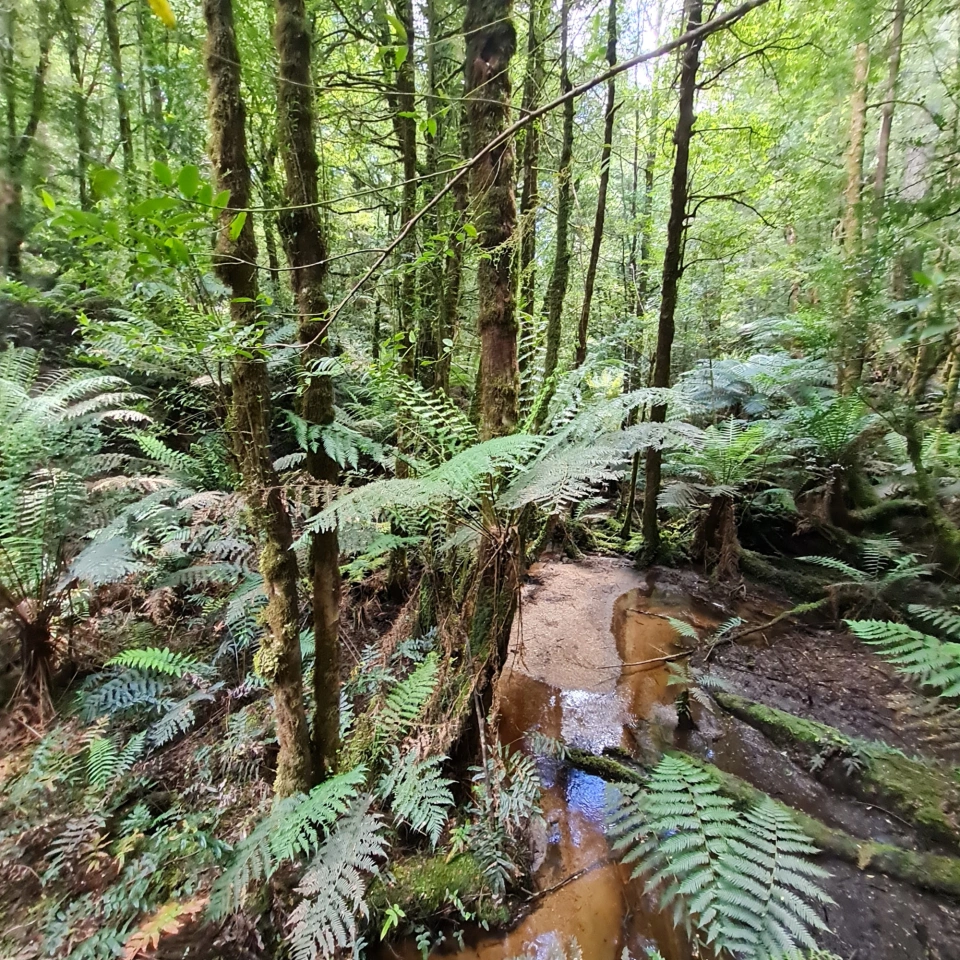
Solitude by the creek in the proposed Great Forest National Park- Jess Ewing
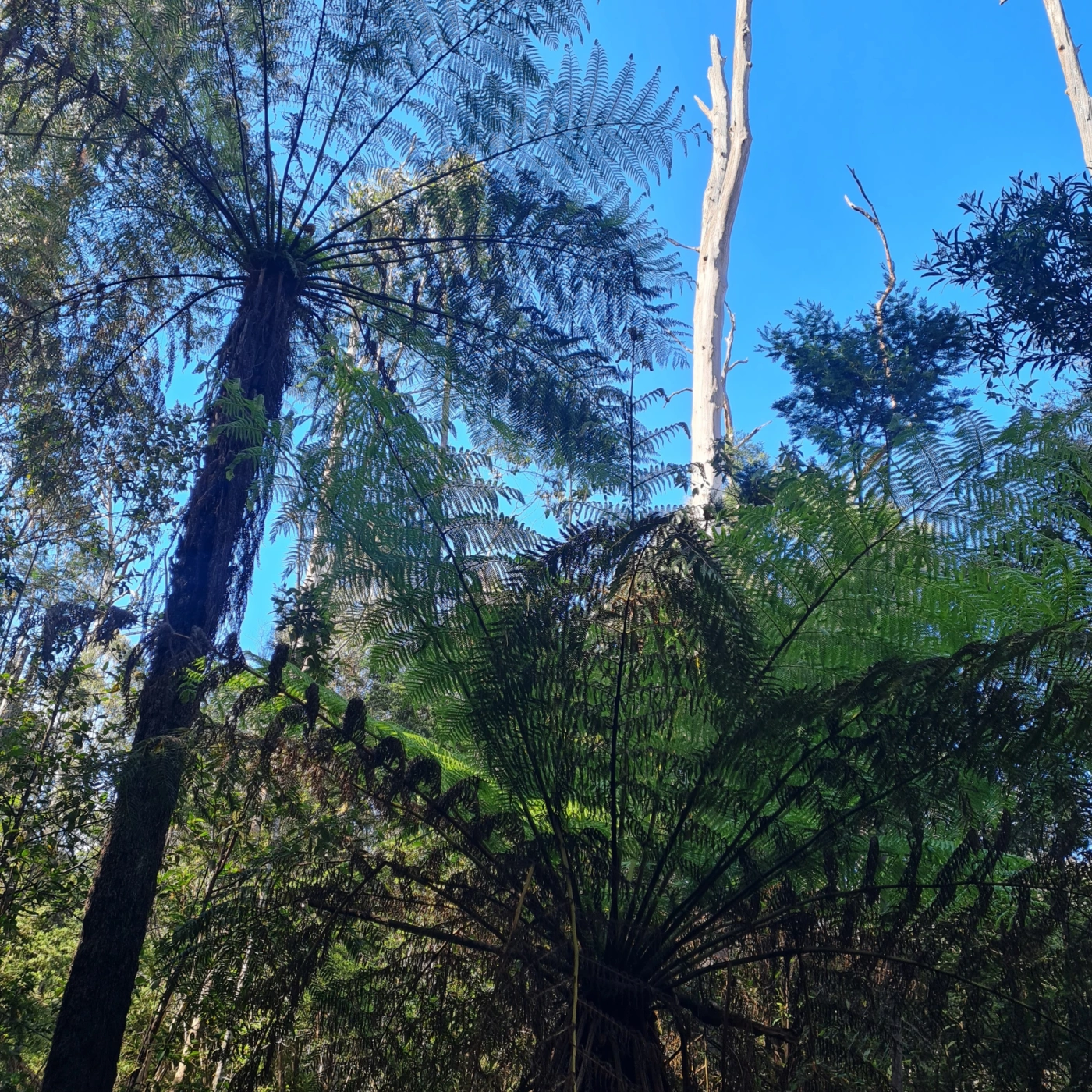
Toolangi Trees,GFNP-Jess Ewing
Conservation
Preserving Great Forest National Park, Victoria for future generations
The Great Forest National Park proposes that Victorians create and add a new 355,000 hectares of protected forests to the existing 170,000 hectares of parks and protected areas in the Central Highlands of Victoria. It plays a critical role in protecting Melbourne’s water catchments and supports a wide range of native flora and fauna, including threatened species such as Leadbeater’s possum and powerful owls. Beyond its environmental significance, the Great Forest region holds strong cultural importance for Traditional Owners and offers extensive opportunities for recreation, eco-tourism, and nature-based activities such as hiking, camping, and wildlife observation.
Conservation advocates and scientists are pushing to formally protect ~355,000 ha of forest as a new national park to safeguard critical habitat for threatened species like the Leadbeater’s possum and other wildlife (e.g., greater gliders, powerful owls). Formal protection would reduce logging and other forest-clearing pressures in these landscapes.
Great Forest National Park is the driving force behind establishing the proposed park.
Conservation efforts for Great Forest National Park, Victoria
See more conservation effortsMake It Happen! A Great Forest National Park Short Film
Ancient beauty in Victoria's central highlands
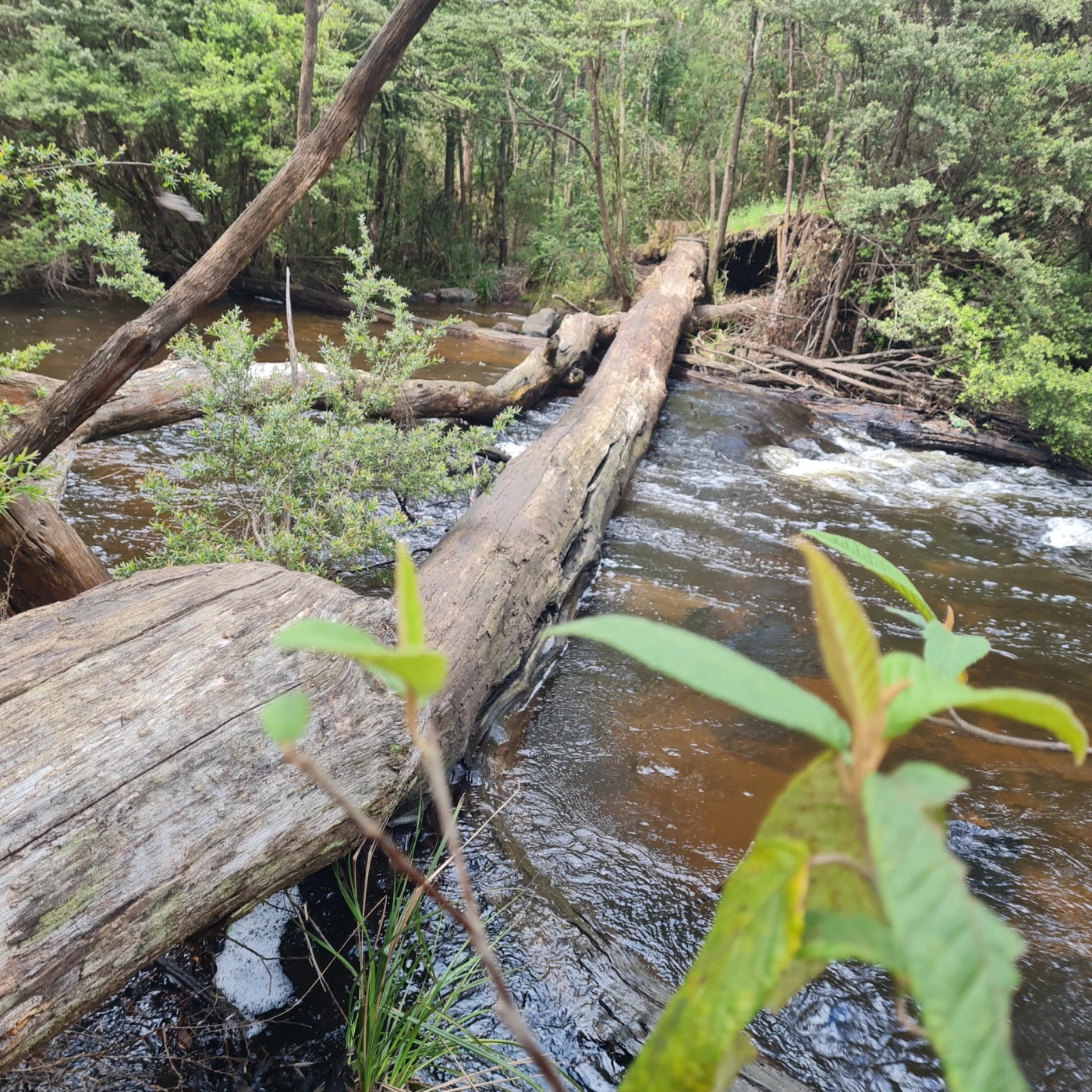
Healesville Creek, GFNP-Jo Edwards
Nature
The mountain ash forests of the Central Highlands and beyond are home to a number of endangered wildlife.
The mountain ash forests are filled with wildlife. At night, you can hear the calls of owls and gliders, and by day the forests are filled with the cheerful song of wrens, rosellas, Yellow-tailed Black Cockatoos and the exuberant Gang Gang Cockatoos. In some areas of the forests around Warburton, Marysville and Toolangi at night you might even hear the “tsk tsk” alarm call of the endangered Leadbeater’s Possum. In a few secret streams, you can find the tiny endangered Barred Galaxias. Higher in the Torbreck region, you might find the tiny and endangered Spotted Tree Frog. Over in the Baw Baw’s, Victoria’s only endemic frog, the Baw Baw Frog, sings from the alpine fens and the forest. Beware the mimicry of the legendary Superb Lyrebird, for each one tells a different tale about the myriad of different birds and other activities in the forests. A single lyrebird will have you believing it is at least 16 different birds.
The species of Great Forest National Park, Victoria
See more natureCommunity
Engage with the Great Forest National Park, Victoria community
Phill Pullinger
Jess Ewing
Jo Edwards
Tilde Bergström
Sarah Rees
FAQ
Frequently asked questions about Great Forest National Park, Victoria
What is Great Forest National Park, Victoria?
The Great Forest National Park region is dominated by tall eucalypt forests, including mountain ash, alpine ash, and messmate, with pockets of cool temperate rainforest featuring myrtle beech and tree ferns. These forests support diverse wildlife such as Leadbeater’s possum,…
What is Great Forest National Park, Victoria known for?
The region is characterised by rugged mountain ranges, tall eucalypt forests, cool temperate rainforests, river catchments, and biodiversity-rich habitats. The Central Highlands region of Victoria is located around towns such as Healesville, Kinglake, Toolangi, Warburton,…
What wildlife and nature can you find at Great Forest National Park, Victoria?
The mountain ash forests are filled with wildlife. At night, you can hear the calls of owls and gliders, and by day the forests are filled with the cheerful song of wrens, rosellas, Yellow-tailed Black Cockatoos and the exuberant Gang Gang Cockatoos. In some areas of the forests…
How is Great Forest National Park, Victoria being conserved?
The Great Forest National Park proposes that Victorians create and add a new 355,000 hectares of protected forests to the existing 170,000 hectares of parks and protected areas in the Central Highlands of Victoria. It plays a critical role in protecting Melbourne’s water…