
At first, I would go walking and exploring, but eventually I began taking my camera gear with me to photograph and film the area. Between 2016 and 2020, I visited the mountain more than 700 times.
I spent a lot of time there during winter, often feeling like I was the only person on the mountain. During that period, I was working on a project that eventually became a short film called “kunanyi – Brutal Beauty.” The project involved several overnight stays in some of the worst weather imaginable.
Operating in those conditions was extremely difficult, but I wanted to show people what happens up there while everyone else is indoors by the fire in a warm bed.

Only 15 minutes away, the mountain becomes a completely different world. Experiencing 125 km/h winds, snow, sleet, and ice is something you truly need to witness firsthand to understand.
The mountain feels like another world, and it has a strong spiritual element to it.
Through those experiences, I developed a deep spiritual connection with the mountain.
The power of nature and the intensity of the environment are immense. I think anyone who spends enough time there develops a real sense of awe, and for me, it became a profoundly spiritual experience.
One memorable time, I was camping at South Wellington among the beautiful dolerite boulders. I found a tiny spot where my tent just fit, and that evening a blood-red moon rose in east. I spent half an hour walking and meditating by moonlight, which became an incredibly memorable experience.
Experiences like that can completely change people’s perspectives.

Many years ago, I worked as a guide in North Queensland, taking people from many different backgrounds into the bush.
Many of them, especially visitors from Europe and large cities, had never experienced the Australian wilderness before and found it quite daunting.
What amazed me was how quickly people developed an understanding and appreciation for nature. With only a little knowledge about how fragile and important nature is, people became much more aware. Ultimately, it comes down to education and helping people understand what humanity stands to lose when nature is continually degraded.

I believe emotional connection is the key.
People need to spend time in these places themselves. Reading about nature or simply looking at beautiful photos is not enough to create a meaningful connection.
Once people spend time in nature and form a personal connection with a place, they become far more willing to protect it.
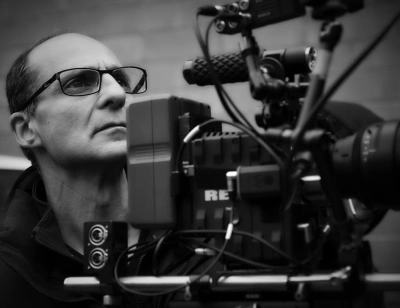
Joe Shemesh
At first, I would go walking and exploring, but eventually I began taking my camera gear with me to photograph and film the area. Between 2016 and 2020, I visited the mountain more than 700 times.
I spent a lot of time there during winter, often feeling like I was the only person on the mountain. During that period, I was working on a project that eventually became a short film called “kunanyi – Brutal Beauty.” The project involved several overnight stays in some of the worst weather imaginable.
Operating in those conditions was extremely difficult, but I wanted to show people what happens up there while everyone else is indoors by the fire in a warm bed.
Only 15 minutes away, the mountain becomes a completely different world. Experiencing 125 km/h winds, snow, sleet, and ice is something you truly need to witness firsthand to understand.
The mountain feels like another world, and it has a strong spiritual element to it.
Through those experiences, I developed a deep spiritual connection with the mountain.
The power of nature and the intensity of the environment are immense. I think anyone who spends enough time there develops a real sense of awe, and for me, it became a profoundly spiritual experience.
One memorable time, I was camping at South Wellington among the beautiful dolerite boulders. I found a tiny spot where my tent just fit, and that evening a blood-red moon rose in east. I spent half an hour walking and meditating by moonlight, which became an incredibly memorable experience.
Experiences like that can completely change people’s perspectives.
Many years ago, I worked as a guide in North Queensland, taking people from many different backgrounds into the bush.
Many of them, especially visitors from Europe and large cities, had never experienced the Australian wilderness before and found it quite daunting.
What amazed me was how quickly people developed an understanding and appreciation for nature. With only a little knowledge about how fragile and important nature is, people became much more aware. Ultimately, it comes down to education and helping people understand what humanity stands to lose when nature is continually degraded.
I believe emotional connection is the key.
People need to spend time in these places themselves. Reading about nature or simply looking at beautiful photos is not enough to create a meaningful connection.
Once people spend time in nature and form a personal connection with a place, they become far more willing to protect it.
You might like...
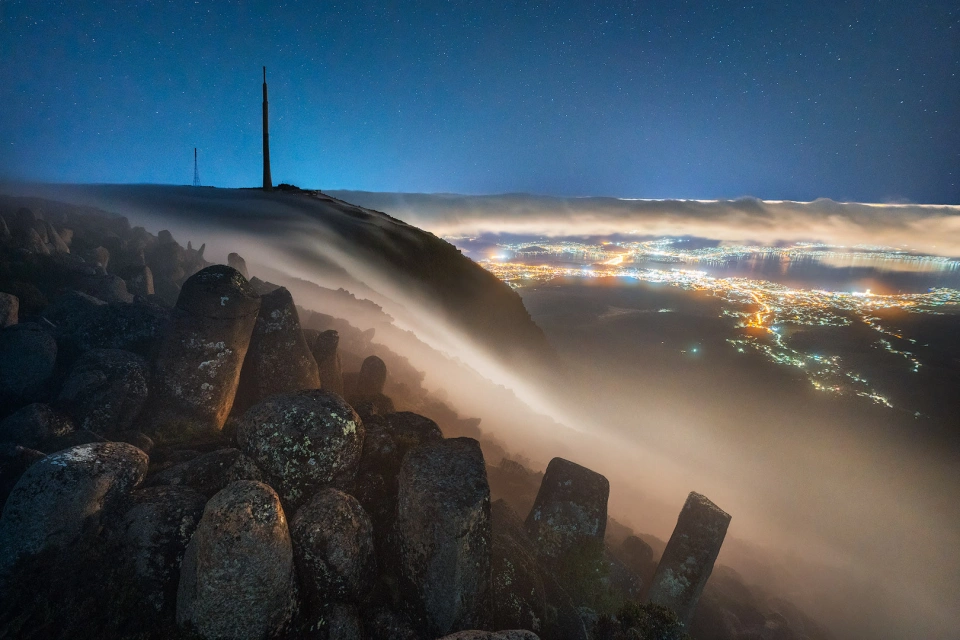
Embraced by the mountain
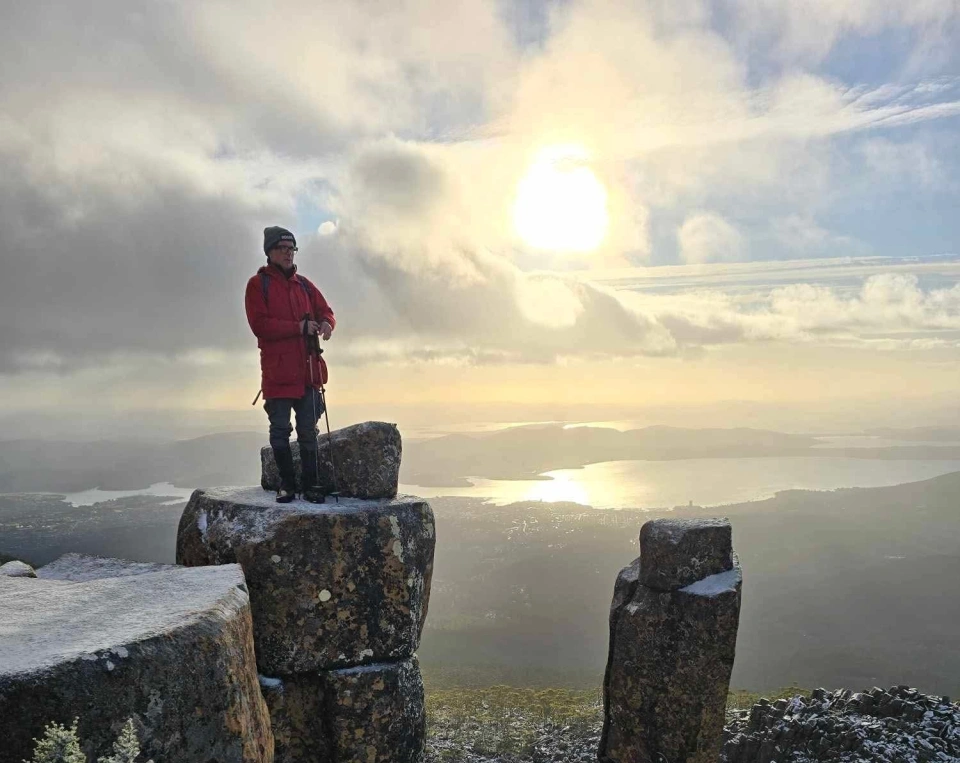
Time in nature is medicine
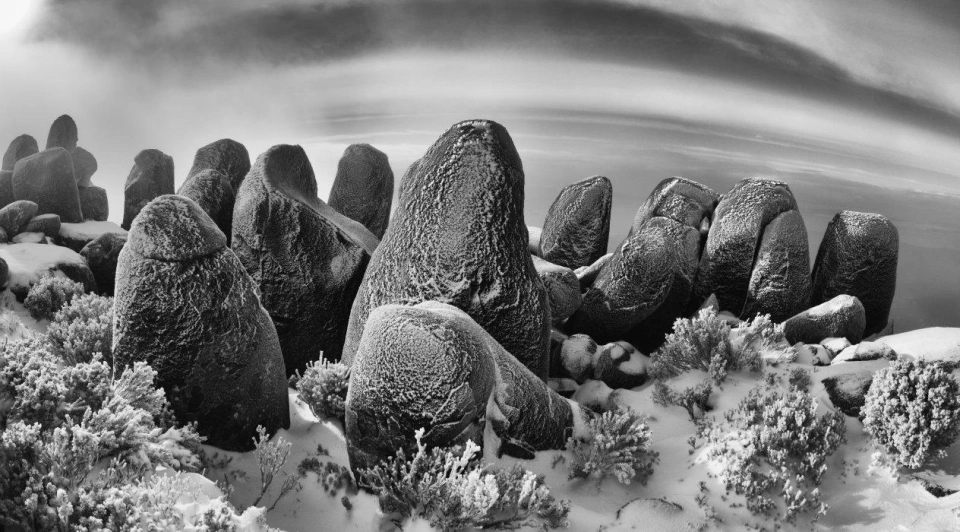
An outdoor sculpture garden
The mountain is always changing
Newsletter
Sign up to keep in touch with articles, updates, events or news from Kuno, your platform for nature