
The earliest photograph I've found is from about 1861, which is quite early. And it goes right through to the 1930s, when all of a sudden everyone started to get their box brownies, so there were too many photographs.
But in between you had this wonderful span where it was quite special to take a big camera up there and take a photograph. So I started to look at these photographs to see whether any of them were looking at the top of the mountain from the right angle to see Lady Franklin's hut or any ruin of it.
I was hoping for a little pile of rocks on the ground that could have been a chimney. So I’d go up there with these photographs and I would go around the pinnacle to try and find the right angle to compare it to the photographs.

What I started to be aware of was that for a huge period of time the rocks on the pinnacle were just covered in graffiti. People signed their name. I realised that actually that was what people did before there were cameras.
Nowadays we record our position there with a selfie, but back in those days you took your can of paint and a brush and you wrote your name.
And that happened as early as 1837 when Lady Franklin went up there.
I was sort of feeling a bit discomforted by the fact that people were despoiling this beautiful summit. But then I realised, no, nature is fighting back. And if you go up there today, I can show you just a few little remnants of where some of those historical names were, but you wouldn't see them normally.

Because the mountain isn't a static thing. It's actually changing constantly.
There are things growing, the hail, the snow, the sun and so on are exfoliating the rock. It's breaking off those little bits of old lead paint and everything is constantly changing.
If you know anything about the history of the mountain, you'll know that it's been logged. It's been burnt. Whole areas of it have been cleared. And yet people in Hobart look at it today and go, "Isn't it wonderful? Isn't it wild? Preserve it as it is."
Well, it isn't like it was. It's constantly changing and that's one of the wonderful things about it. Fortunately some of the errors that we make on the mountain will fix themselves. I guess the challenge for us is to make sure we don't make such significant errors that they're not capable of being fixed.

Martin Stone
The earliest photograph I've found is from about 1861, which is quite early. And it goes right through to the 1930s, when all of a sudden everyone started to get their box brownies, so there were too many photographs.
But in between you had this wonderful span where it was quite special to take a big camera up there and take a photograph. So I started to look at these photographs to see whether any of them were looking at the top of the mountain from the right angle to see Lady Franklin's hut or any ruin of it.
I was hoping for a little pile of rocks on the ground that could have been a chimney. So I’d go up there with these photographs and I would go around the pinnacle to try and find the right angle to compare it to the photographs.
What I started to be aware of was that for a huge period of time the rocks on the pinnacle were just covered in graffiti. People signed their name. I realised that actually that was what people did before there were cameras.
Nowadays we record our position there with a selfie, but back in those days you took your can of paint and a brush and you wrote your name.
And that happened as early as 1837 when Lady Franklin went up there.
I was sort of feeling a bit discomforted by the fact that people were despoiling this beautiful summit. But then I realised, no, nature is fighting back. And if you go up there today, I can show you just a few little remnants of where some of those historical names were, but you wouldn't see them normally.
Because the mountain isn't a static thing. It's actually changing constantly.
There are things growing, the hail, the snow, the sun and so on are exfoliating the rock. It's breaking off those little bits of old lead paint and everything is constantly changing.
If you know anything about the history of the mountain, you'll know that it's been logged. It's been burnt. Whole areas of it have been cleared. And yet people in Hobart look at it today and go, "Isn't it wonderful? Isn't it wild? Preserve it as it is."
Well, it isn't like it was. It's constantly changing and that's one of the wonderful things about it. Fortunately some of the errors that we make on the mountain will fix themselves. I guess the challenge for us is to make sure we don't make such significant errors that they're not capable of being fixed.
You might like...
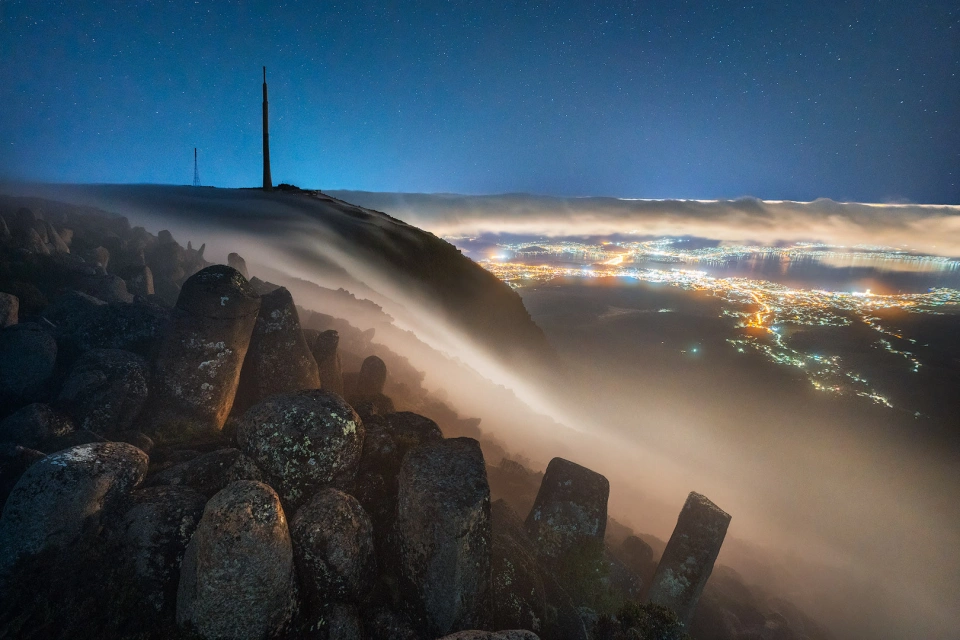
Embraced by the mountain
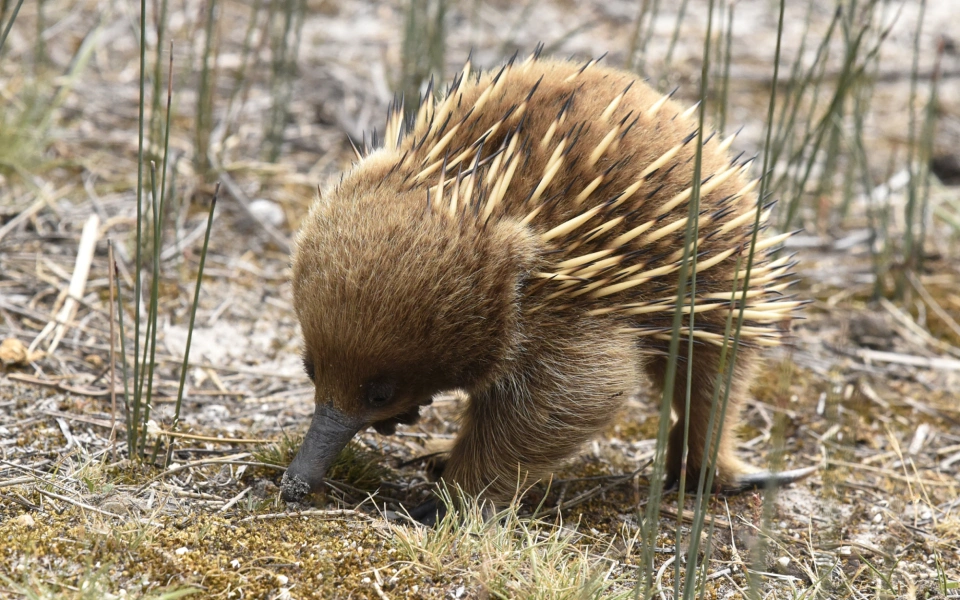
An echidna friend
Newsletter
Sign up to keep in touch with articles, updates, events or news from Kuno, your platform for nature