
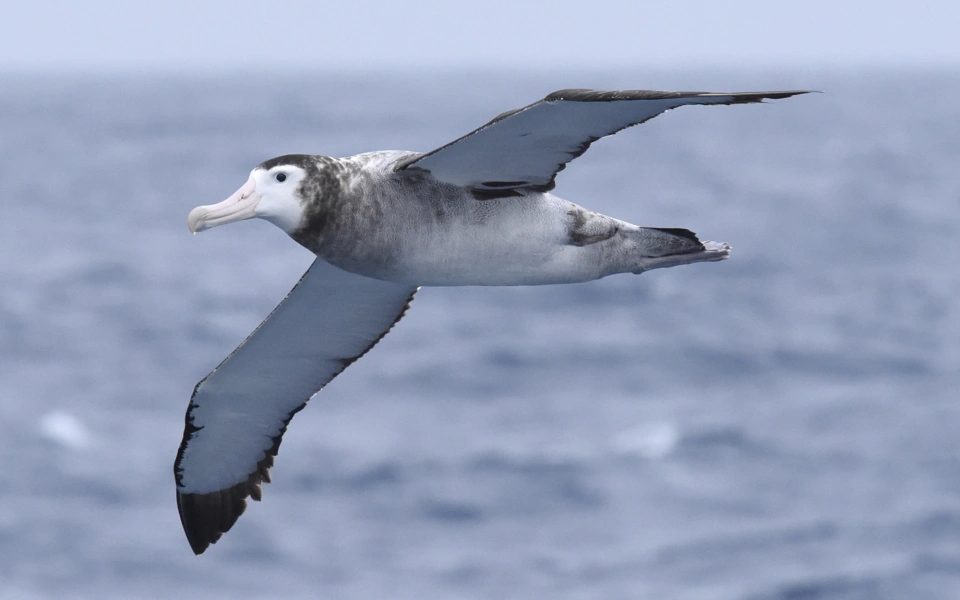
Bruny Youth Stories Prize
Bruny Youth Story Prize entry - The Albatross, Tommy Roser age 7
Read more
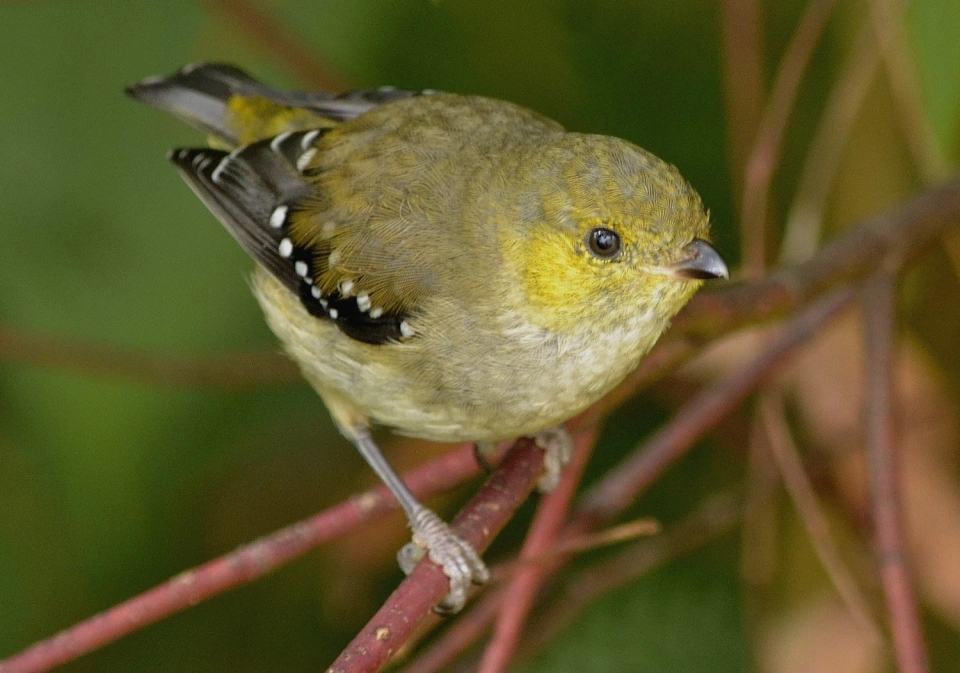
Bruny Youth Stories Prize
Bruny Youth Story Prize entry - The Forty Spotted Pardalote and her Chicks, by Molly age 6
Read more
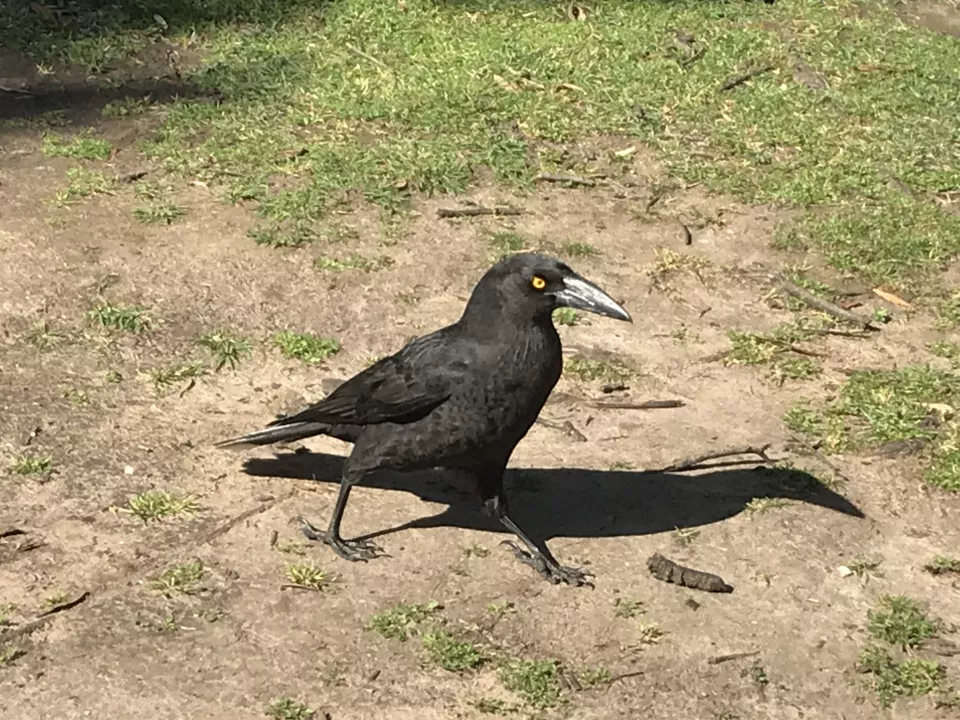
Bruny Youth Stories Prize
Bruny Youth Story Prize entry - The Lunchbox incident by Macy Drew, age 8
Read more
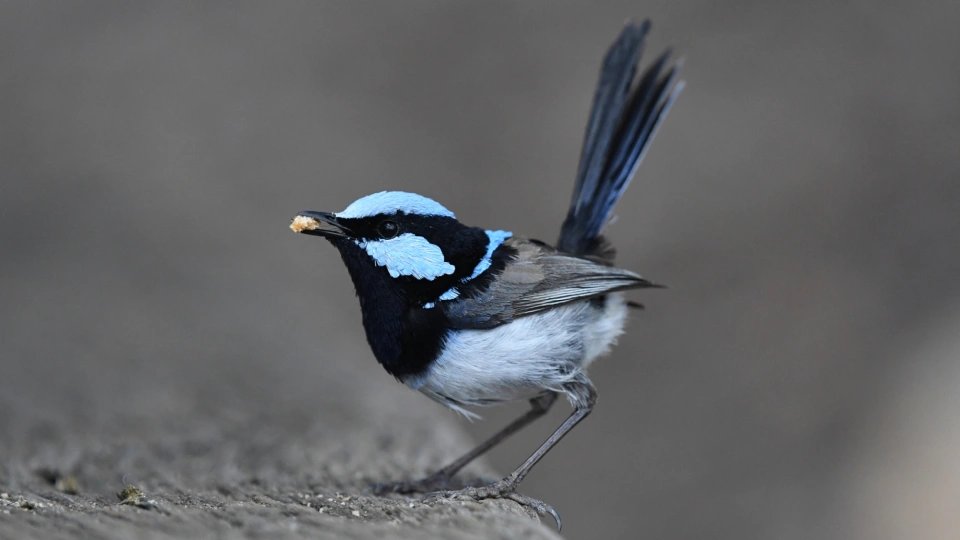
Bruny Youth Stories Prize
Bruny Youth Story Prize entry - The Super Fairy Wren by Essie Knight, age 8
Read more
Bruny Youth Stories Prize
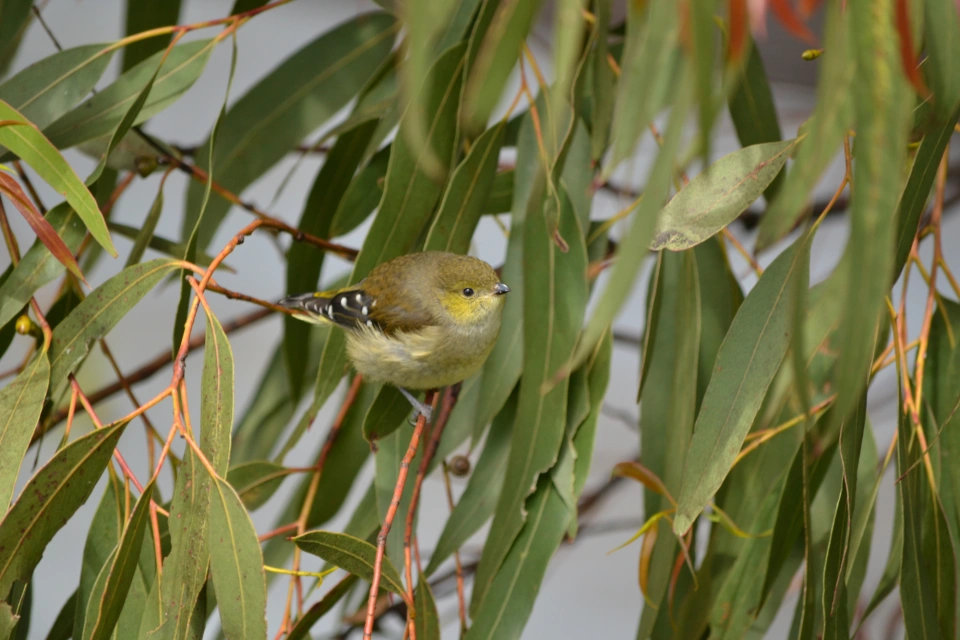
Bruny Youth Story Prize entry - written by Martha Cunningham age 7
Read more
Bruny Youth Stories Prize
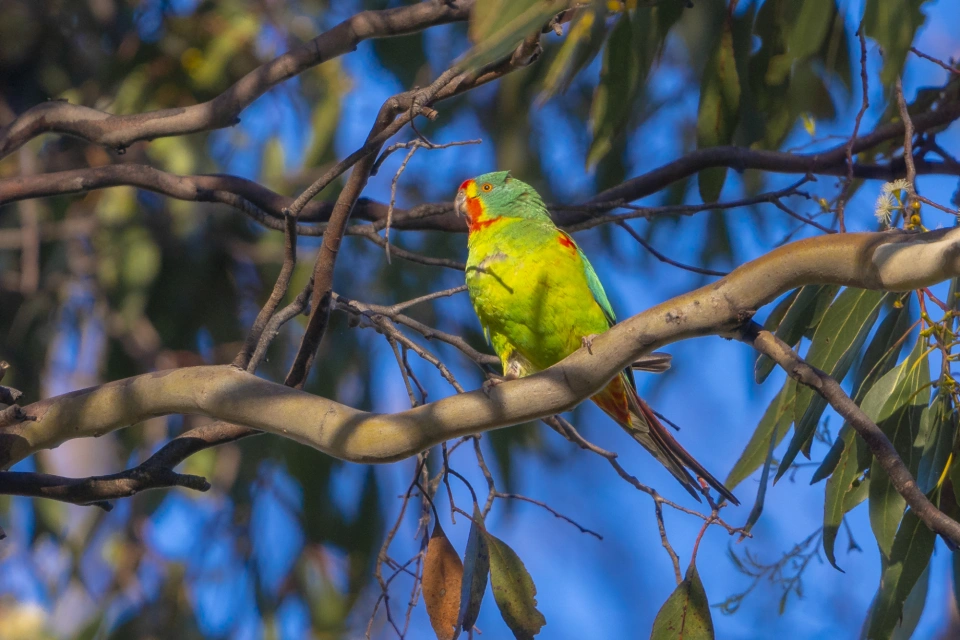
Bruny Youth Story Prize entry- A SWIFT WING written by Zsofi Borzak-Bell aged 13
Read more
Bruny Youth Stories Prize
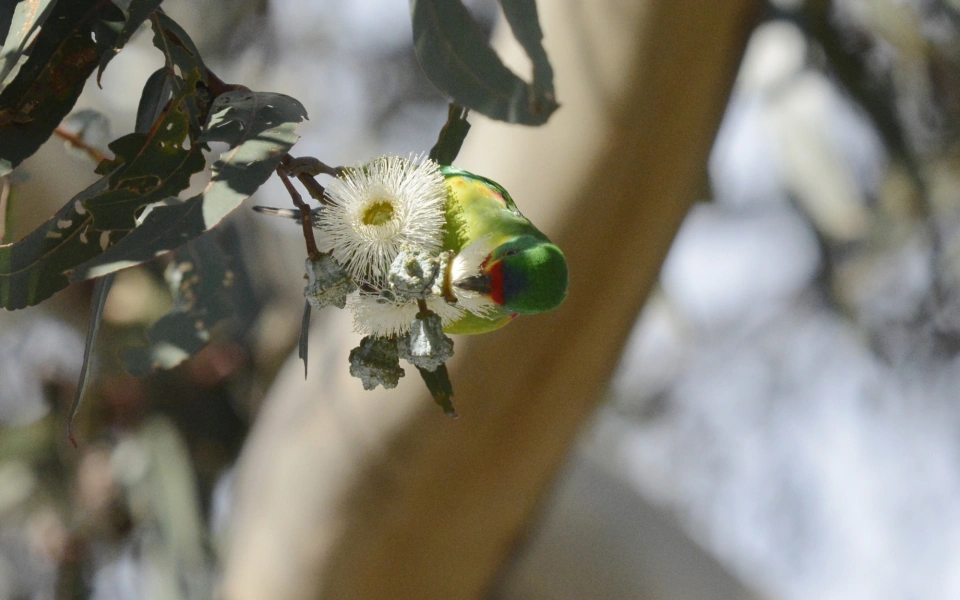
Bruny Youth Story Prize entry-Swift Parrots written by Tilly, aged 7
Read more
Bruny Youth Stories Prize
Bruny Youth Story Prize entry- Little Bird's Big Journey, written by Amara aged 8
Read more
Bruny Youth Story Prize
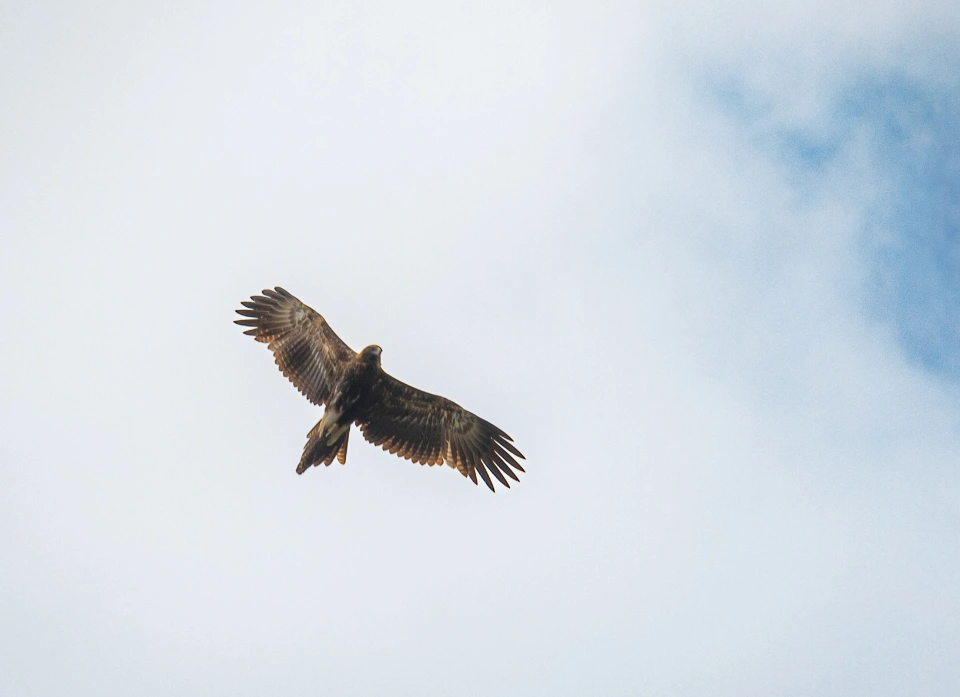
Bruny Youth Story Prize entry- Wedge-tailed Eagles by Trinity, aged 10
Read more
Bruny Youth Stories Prize
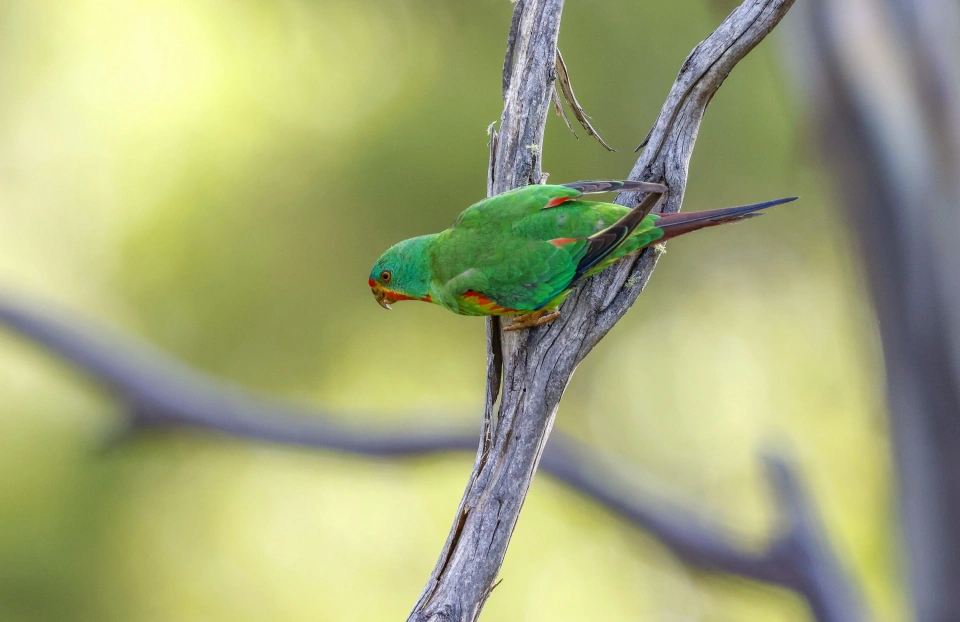
Bruny Youth Story Prize entry- Gift from a Bird written by Layla Molineaux aged 16
Read more
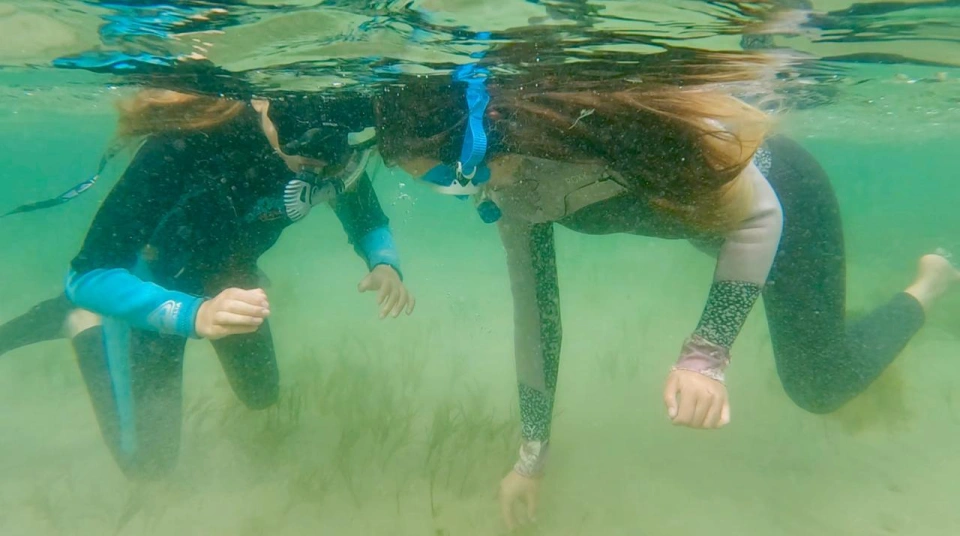
Exploring Freedom- Supergroms go snorkelling
“It feels like to be free. Like freedom under the water. Like exploring freedom!” Franziska vividly sums up the way many of us feel when we go snorkel...
Read more
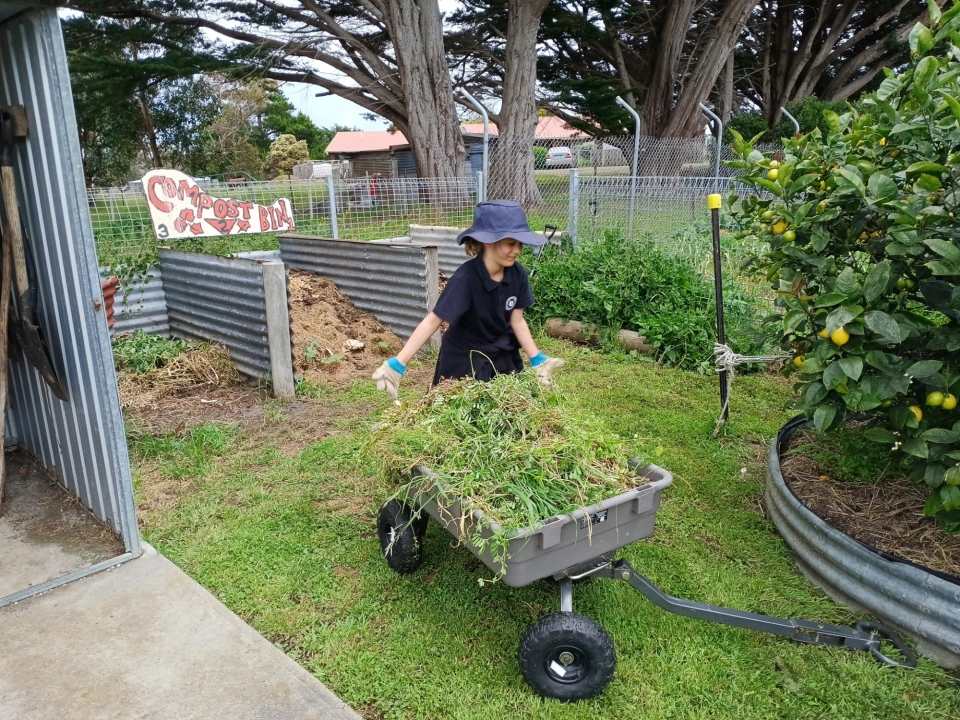
The role of gardens in schools-Wellbeing and Vitamin N
It is easy to spruik all the curriculum links and health benefits that can be achieved through rich School Garden Programs. A lot of the Australian Pr...
Read more