 Beta
Beta
Vale of Belvoir
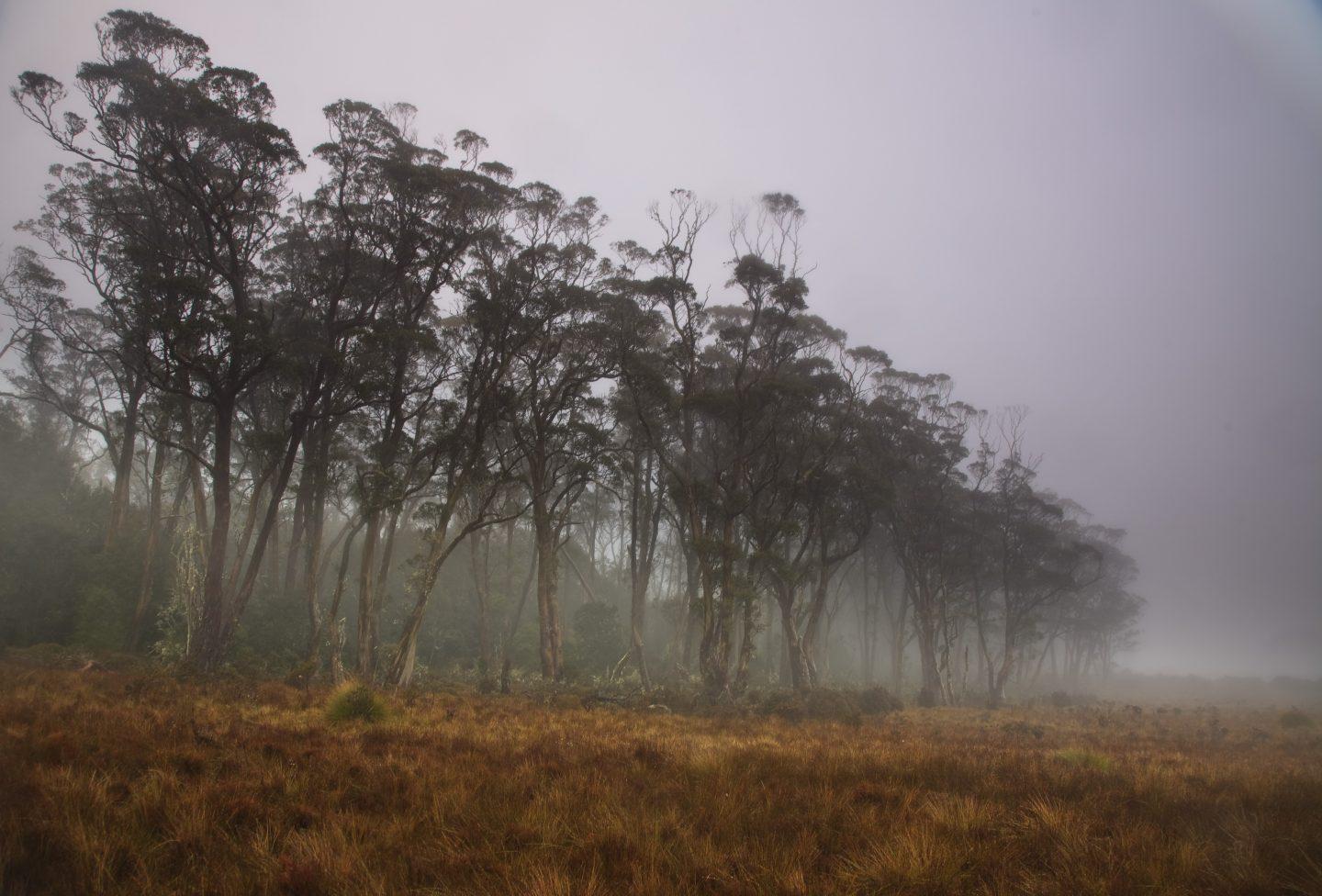
At the core of this exceptional conservation landscape is 500 hectares of private land, protected by the Tasmanian Land Conservancy as the Vale of Belvoir Reserve. Situated near Cradle Mountain, it features rare high-altitude, cold-climate grasslands, subalpine karst wetlands, and old-growth rainforests.

Biodiversity in Vale of Belvoir Reserve
The Reserve contains a diversity of habitats, including native grasslands rich in threatened plant species, wetlands, and old-growth rainforests. Meanwhile, under the surface lies one of Tasmania’s only subalpine karst systems. Subalpine karst systems are high-elevation limestone, dolomite, or marble landscapes characterized by their special geomorphological features.
The Vale of Belvoir is home to the world’s densest populations of carnivorous marsupials, including the vulnerable spotted-tailed quoll and the endangered Tasmanian devil. The Vale’s tussock grasslands are also home to shy ground parrots, endangered ptunarra brown butterflies and numerous wildflowers.

Managing the Vale of Belvoir Reserve
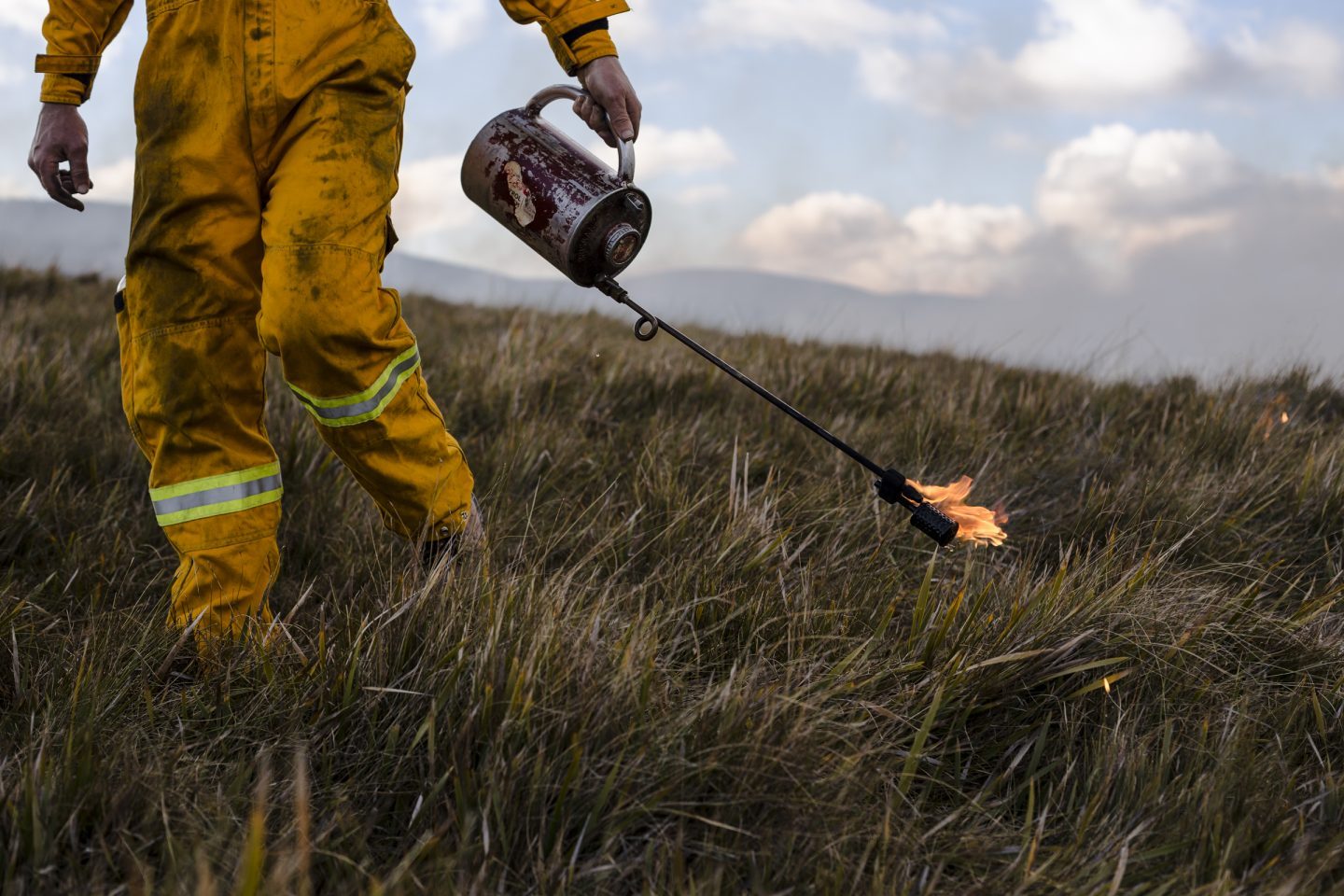
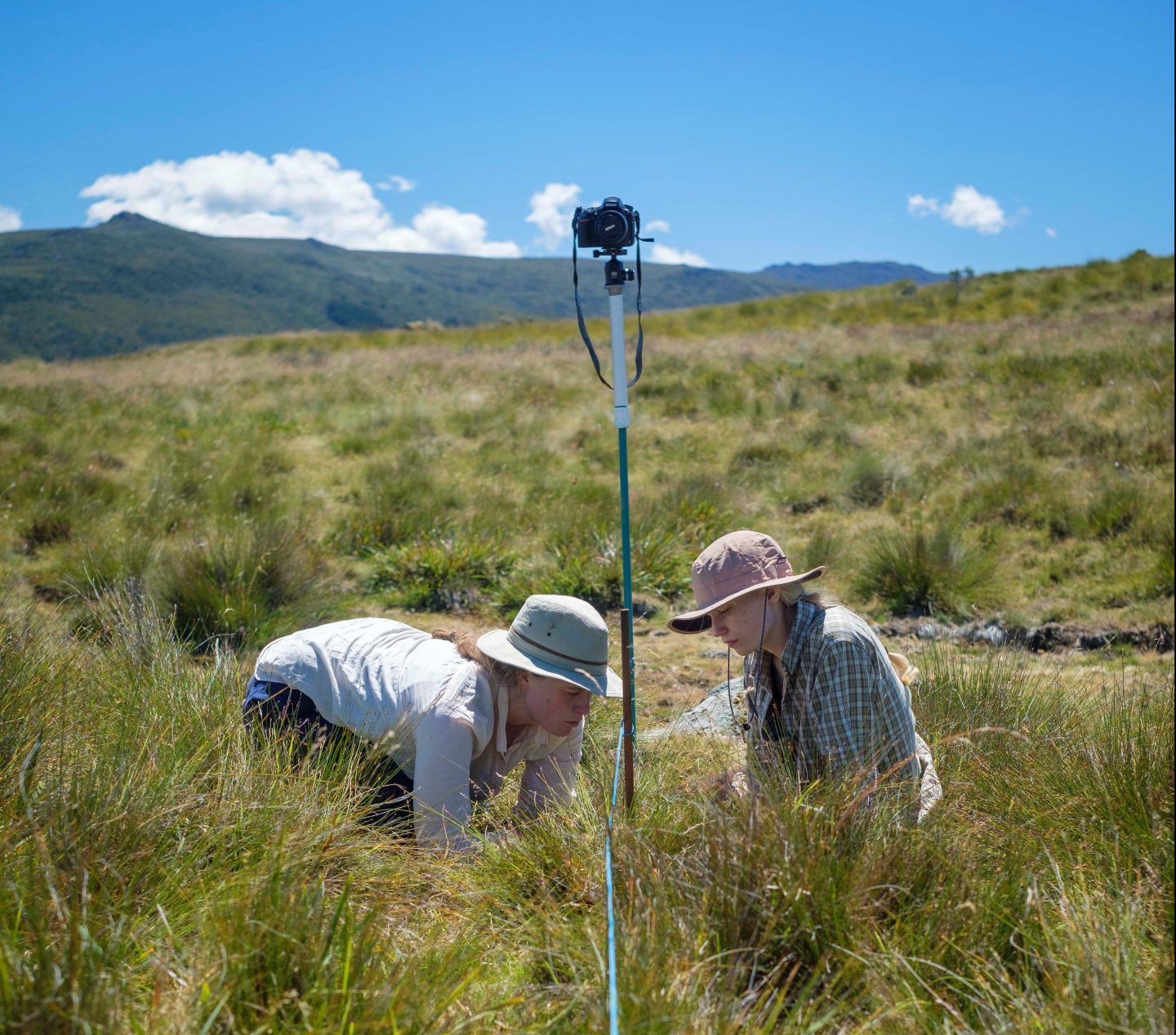
Management of the Vale of Belvoir Reserve focuses on maintaining the values associated with the diversity and condition of the grasslands, karst, wetlands, and diversity of fauna. This includes maintenance of Poa grasslands, which are critical habitat for the ptunarra brown butterfly. Grassland management – including cattle grazing and planned burning – is informed by scientific monitoring. Where necessary, fences are maintained to exclude cattle from sensitive areas.
Photos and information provided by the Tasmanian Land Conservancy.
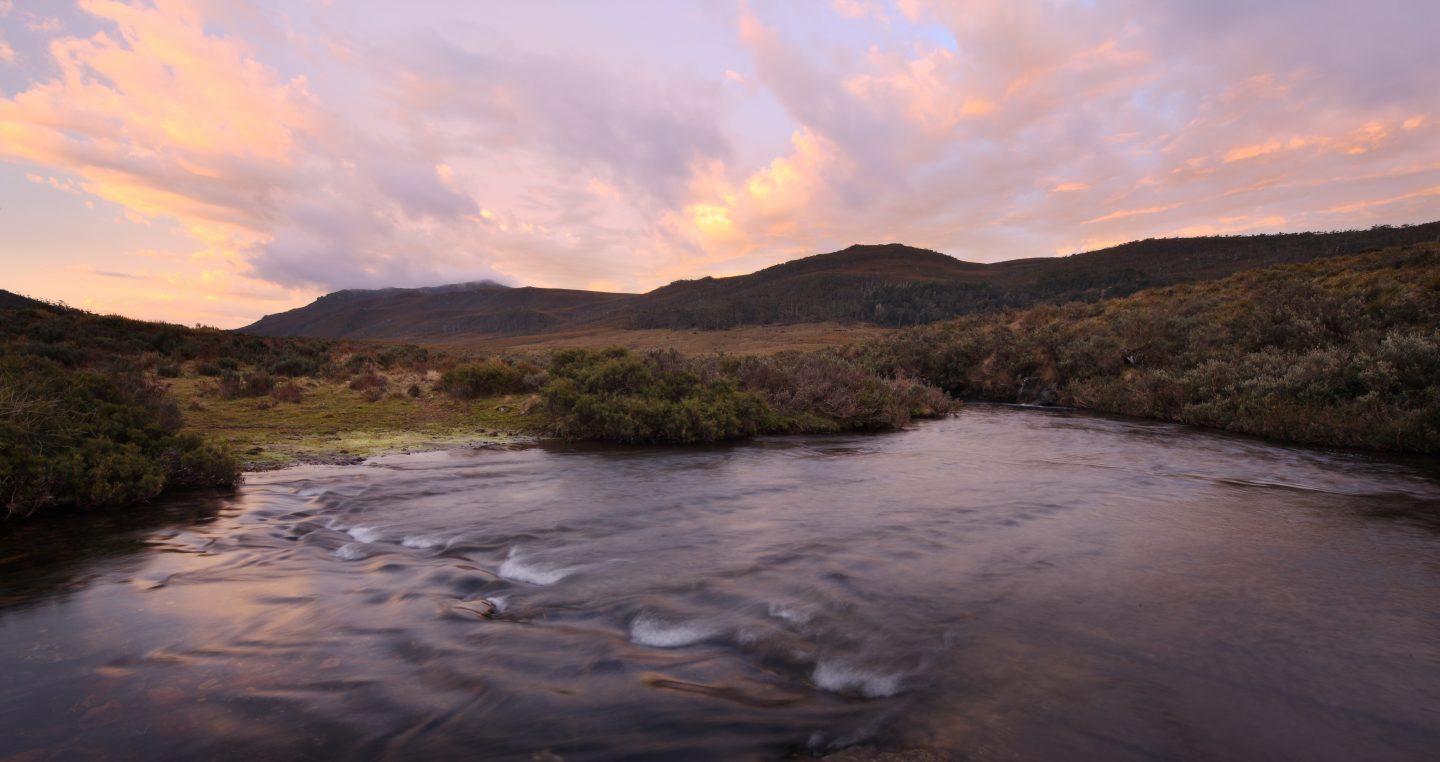
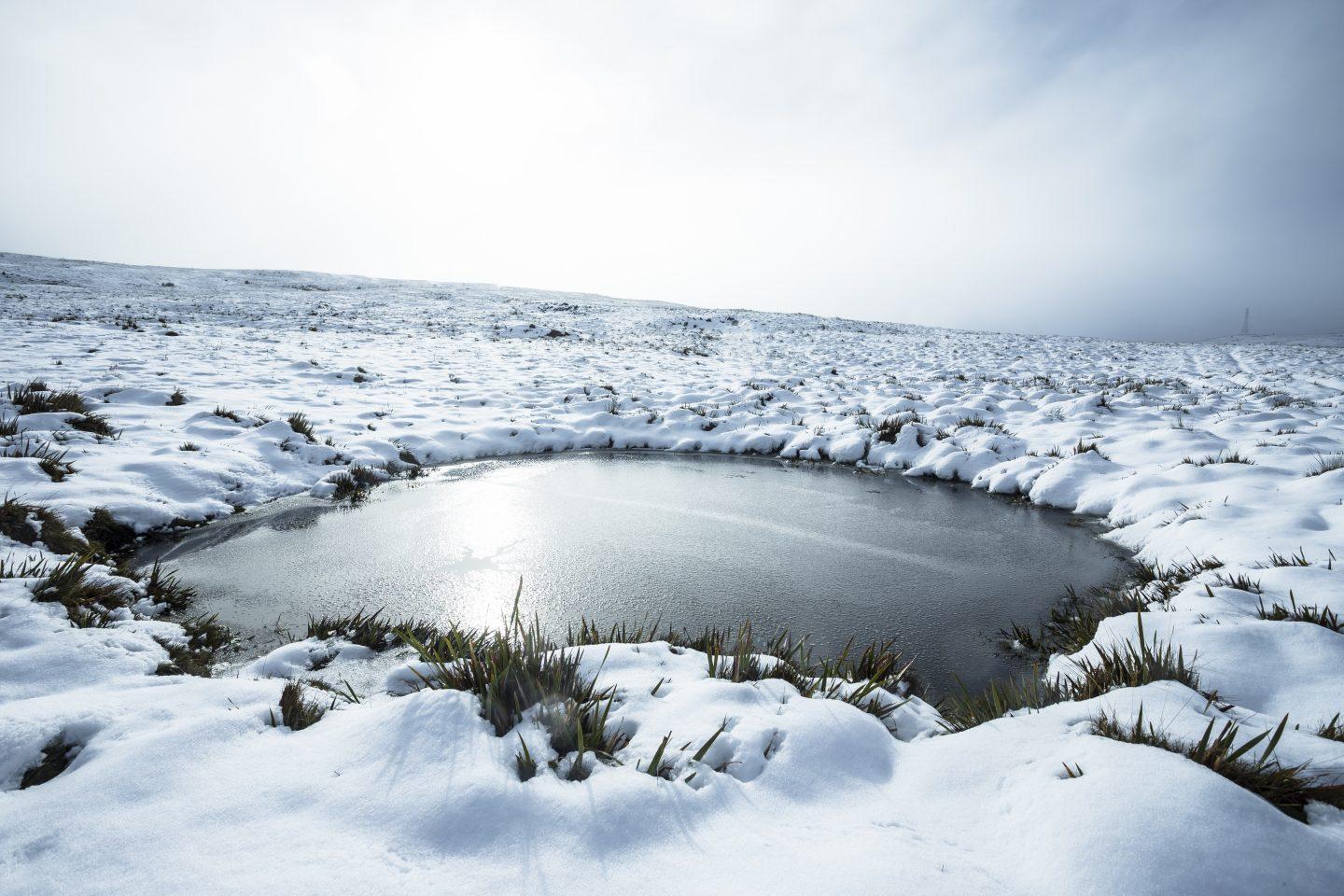
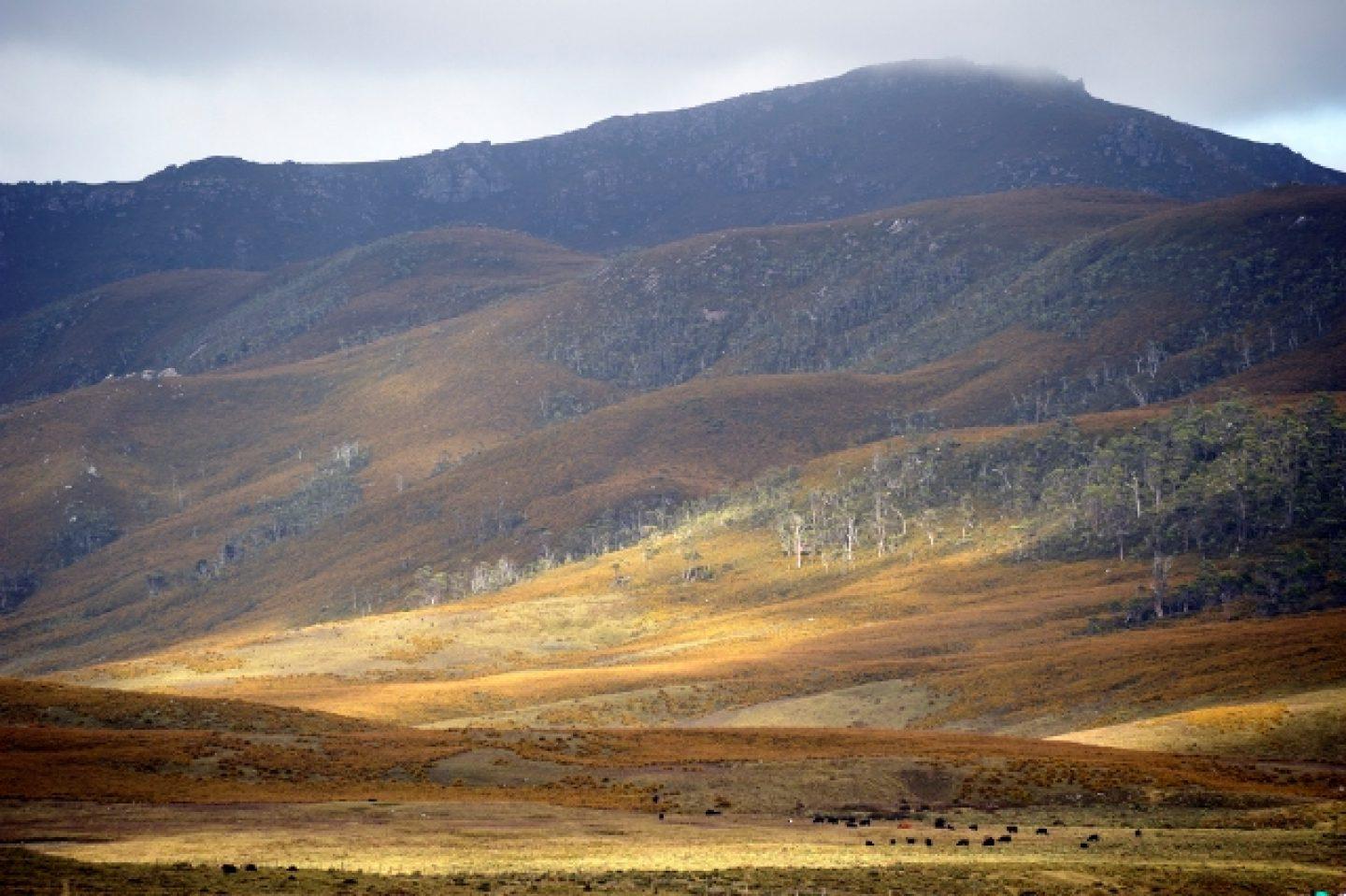
At the core of this exceptional conservation landscape is 500 hectares of private land, protected by the Tasmanian Land Conservancy as the Vale of Belvoir Reserve. Situated near Cradle Mountain, it features rare high-altitude, cold-climate grasslands, subalpine karst wetlands, and old-growth rainforests.
Biodiversity in Vale of Belvoir Reserve
The Reserve contains a diversity of habitats, including native grasslands rich in threatened plant species, wetlands, and old-growth rainforests. Meanwhile, under the surface lies one of Tasmania’s only subalpine karst systems. Subalpine karst systems are high-elevation limestone, dolomite, or marble landscapes characterized by their special geomorphological features.
The Vale of Belvoir is home to the world’s densest populations of carnivorous marsupials, including the vulnerable spotted-tailed quoll and the endangered Tasmanian devil. The Vale’s tussock grasslands are also home to shy ground parrots, endangered ptunarra brown butterflies and numerous wildflowers.
Managing the Vale of Belvoir Reserve
Management of the Vale of Belvoir Reserve focuses on maintaining the values associated with the diversity and condition of the grasslands, karst, wetlands, and diversity of fauna. This includes maintenance of Poa grasslands, which are critical habitat for the ptunarra brown butterfly. Grassland management – including cattle grazing and planned burning – is informed by scientific monitoring. Where necessary, fences are maintained to exclude cattle from sensitive areas.
Photos and information provided by the Tasmanian Land Conservancy.
Love what you're reading? Support Tasmanian Land Conservancy donate to support them now
Donate hereYou might like...
Black Bluff Mountain
Leven Canyon: spectacular views and versatile biodiversity
Lutregala Marsh Reserve
Tasmanian Devil
The Tasmanian Devil, the largest carnivorous marsupial in the world, is a true icon for the Tasmanian state.
Newsletter
Sign up to keep in touch with articles, updates, events or news from Kuno, your platform for nature