 Beta
Beta
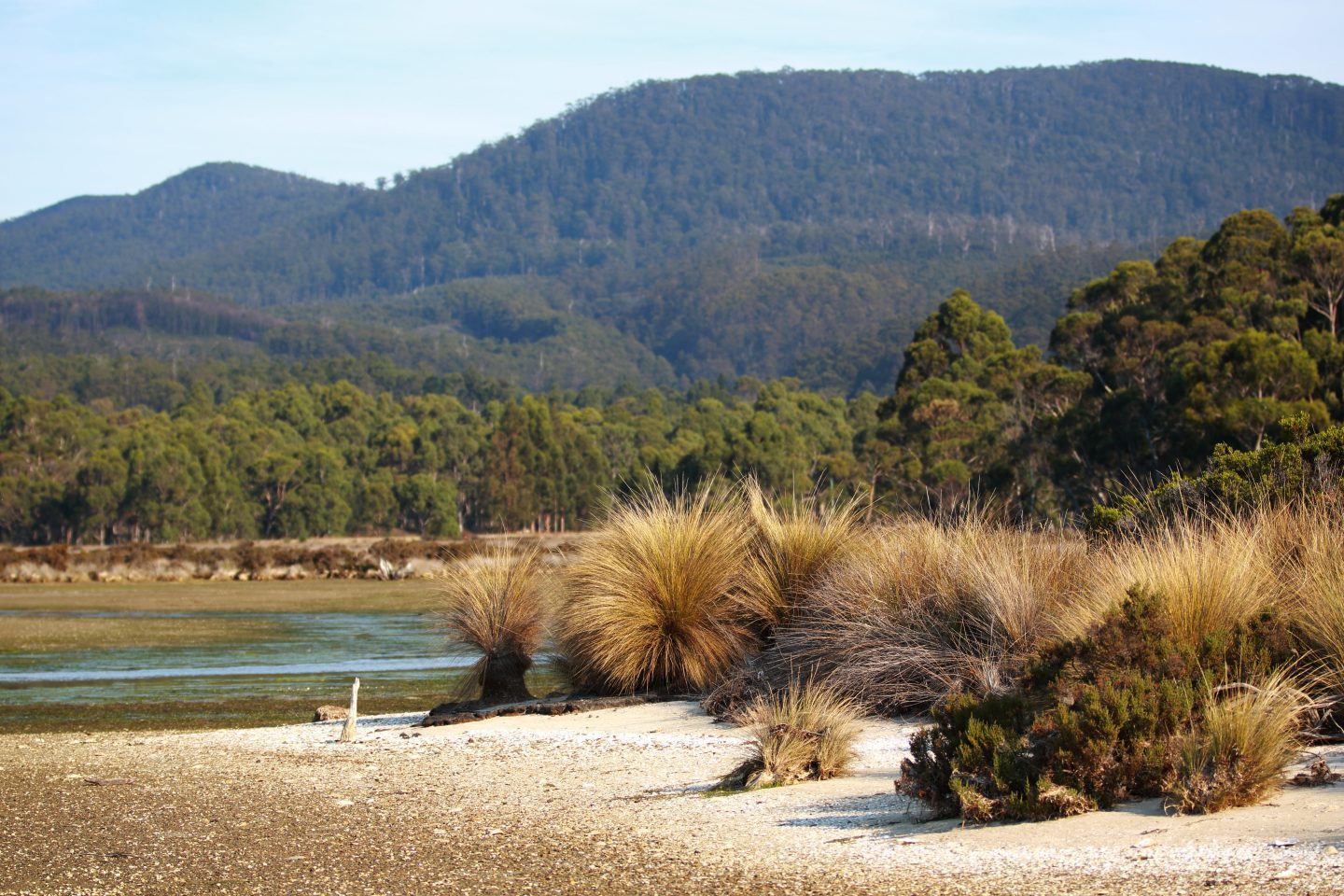
Lutregala Marsh Reserve features two unique and vulnerable habitats; coastal saltmarsh and saline grassland. This diversity, as well as very little human disturbance, makes the site a hotspot for birds. Raptors, or birds of prey, particularly like the area.

Aboriginal heritage at Lutregala Marsh
The Nuenonne people have lived for tens of thousands of years on Bruny Island. They were part of the South East Nation, whose land covered more than 3,500 sq kms. The border of that land runs along the west bank of the River Derwent from New Norfolk to Storm Bay, including the D’Entrecasteaux Channel and Bruny Island as far south as South Cape and inland north to the Huon Valley and New Norfolk. You can read more about this nation in Tasmanian Aborigines, A History since 1803 by Lyndall Ryan. Bruny Island remains a significant place for the traditional owners of this land.
The Nuenonne word, ‘lutregala’, means ‘fine day’ in English. The region around and including Lutregala Marsh was probably used extensively by Nuenonne people before European colonisation of the island and even afterwards. There are lots of shellfish in the large tidal areas on the ocean side of the reserve. In the marsh, people could have hunted animals and collected plant foods.

Biodiversity at Lutregala Marsh
Lutregala Marsh Reserve is important foraging habitat for swamp harriers. There are high numbers of these birds of prey around the marsh during the day. Swamp harriers breed within the saltmarsh habitat, nesting above the water line. Brown falcons and brown goshawks are also likely to forage on the reserve.
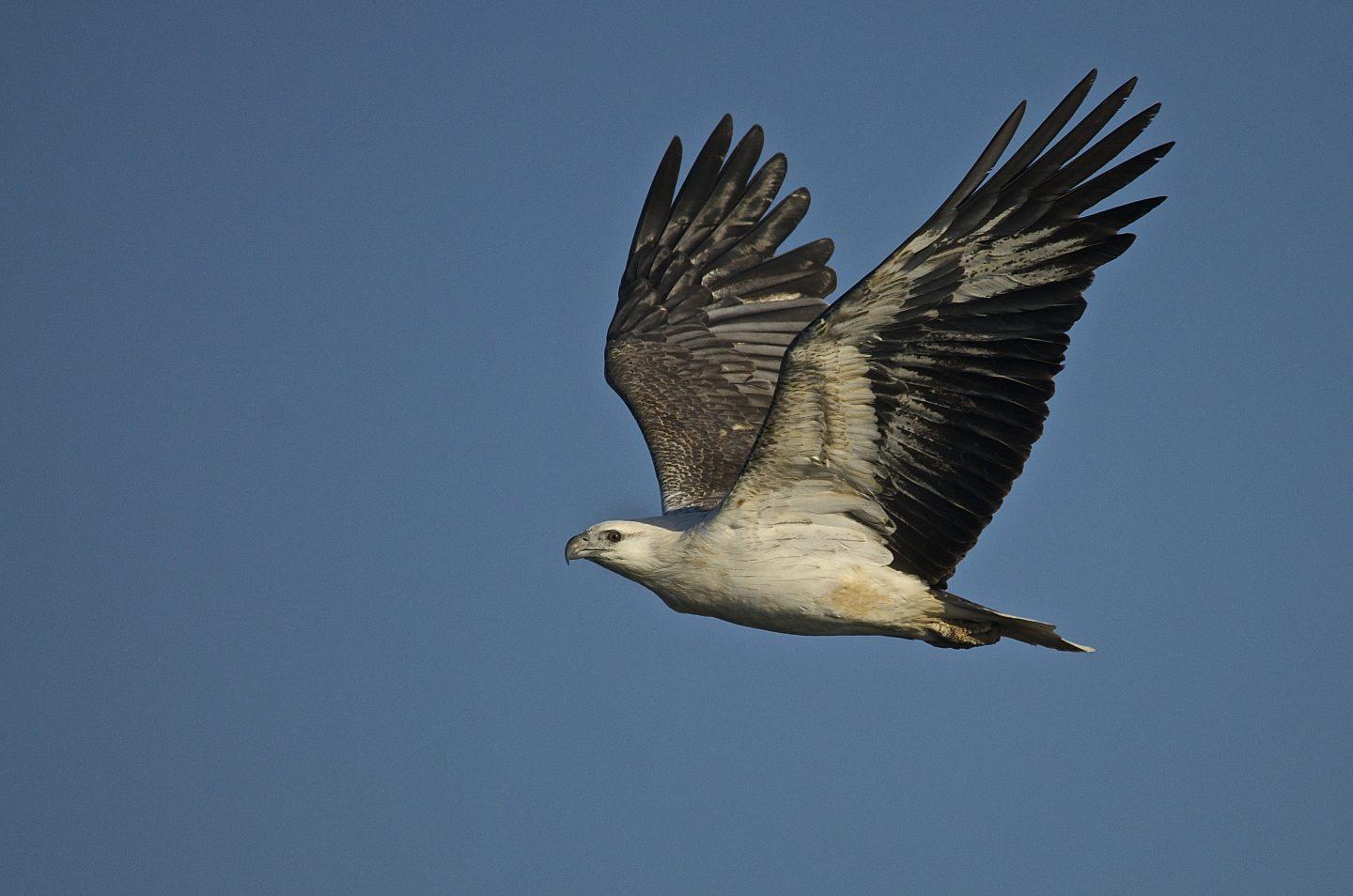
In the black peppermint forest on the reserve, sea eagles perch, looking for fish in Simpsons Bay. Masked owls live nearby – the peppermint forest has several trees with large hollows where they could nest.
Lutregala Marsh is an important site for invertebrates that can only live in salty water. Because the saltiness of the marsh differs so much from place to place, lots of different kinds of crustaceans and molluscs live there.
Photos and information provided by the Tasmanian Land Conservancy.
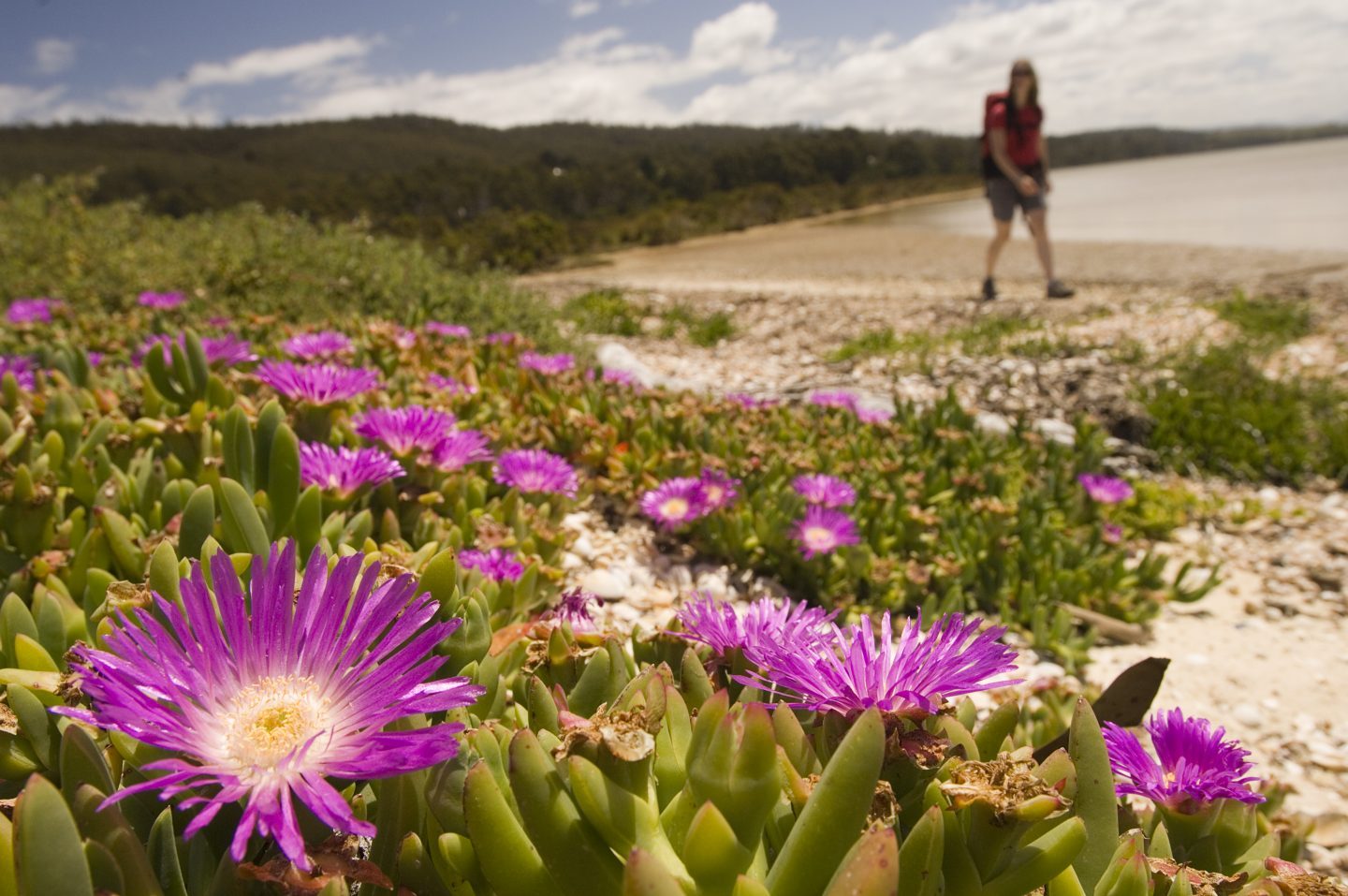
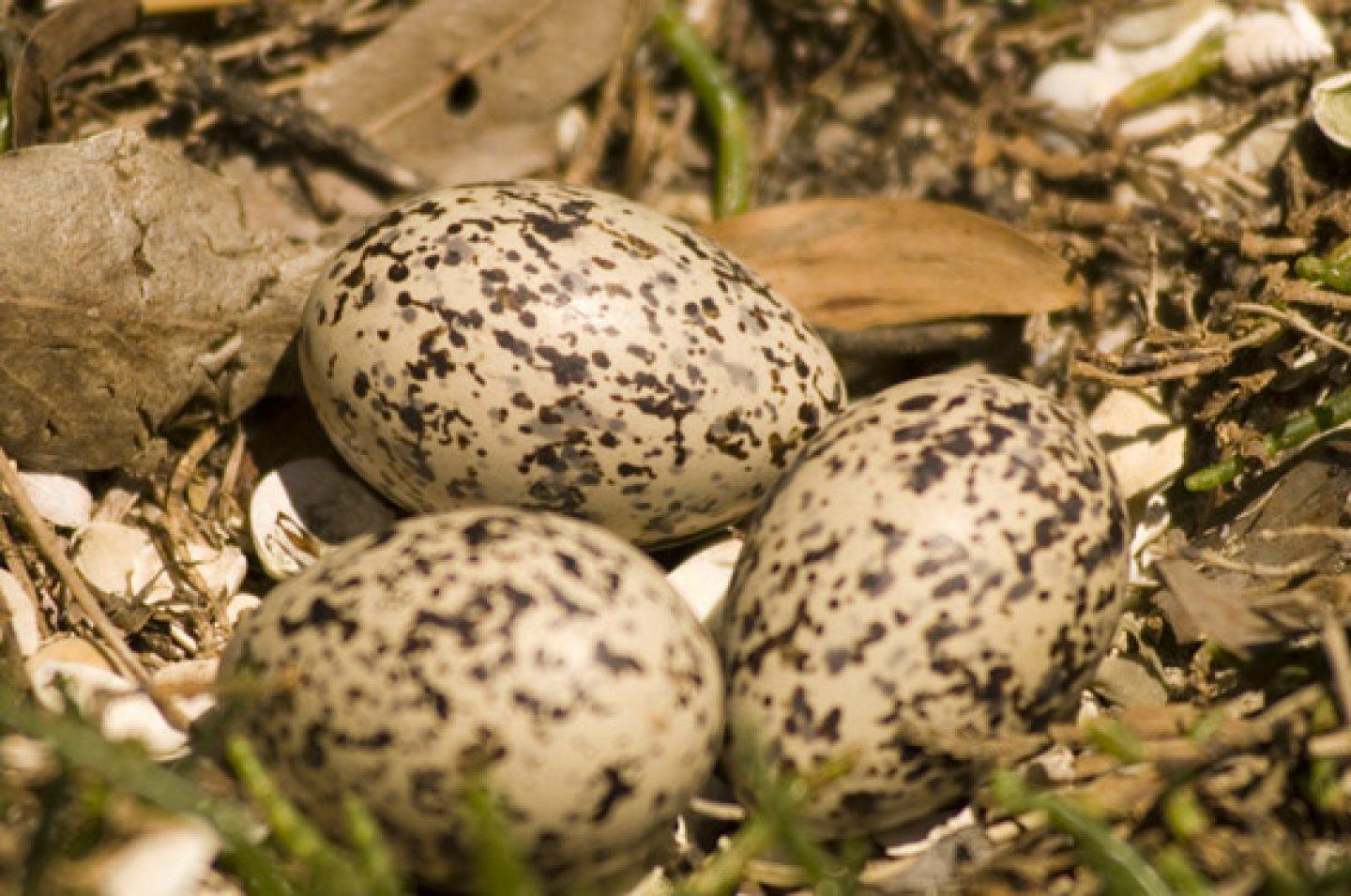
Lutregala Marsh Reserve features two unique and vulnerable habitats; coastal saltmarsh and saline grassland. This diversity, as well as very little human disturbance, makes the site a hotspot for birds. Raptors, or birds of prey, particularly like the area.
Aboriginal heritage at Lutregala Marsh
The Nuenonne people have lived for tens of thousands of years on Bruny Island. They were part of the South East Nation, whose land covered more than 3,500 sq kms. The border of that land runs along the west bank of the River Derwent from New Norfolk to Storm Bay, including the D’Entrecasteaux Channel and Bruny Island as far south as South Cape and inland north to the Huon Valley and New Norfolk. You can read more about this nation in Tasmanian Aborigines, A History since 1803 by Lyndall Ryan. Bruny Island remains a significant place for the traditional owners of this land.
The Nuenonne word, ‘lutregala’, means ‘fine day’ in English. The region around and including Lutregala Marsh was probably used extensively by Nuenonne people before European colonisation of the island and even afterwards. There are lots of shellfish in the large tidal areas on the ocean side of the reserve. In the marsh, people could have hunted animals and collected plant foods.
Biodiversity at Lutregala Marsh
Lutregala Marsh Reserve is important foraging habitat for swamp harriers. There are high numbers of these birds of prey around the marsh during the day. Swamp harriers breed within the saltmarsh habitat, nesting above the water line. Brown falcons and brown goshawks are also likely to forage on the reserve.
In the black peppermint forest on the reserve, sea eagles perch, looking for fish in Simpsons Bay. Masked owls live nearby – the peppermint forest has several trees with large hollows where they could nest.
Lutregala Marsh is an important site for invertebrates that can only live in salty water. Because the saltiness of the marsh differs so much from place to place, lots of different kinds of crustaceans and molluscs live there.
Photos and information provided by the Tasmanian Land Conservancy.
Love what you're reading? Support Tasmanian Land Conservancy donate to support them now
Donate hereYou might like...

Bruny Island: eastern quoll stronghold
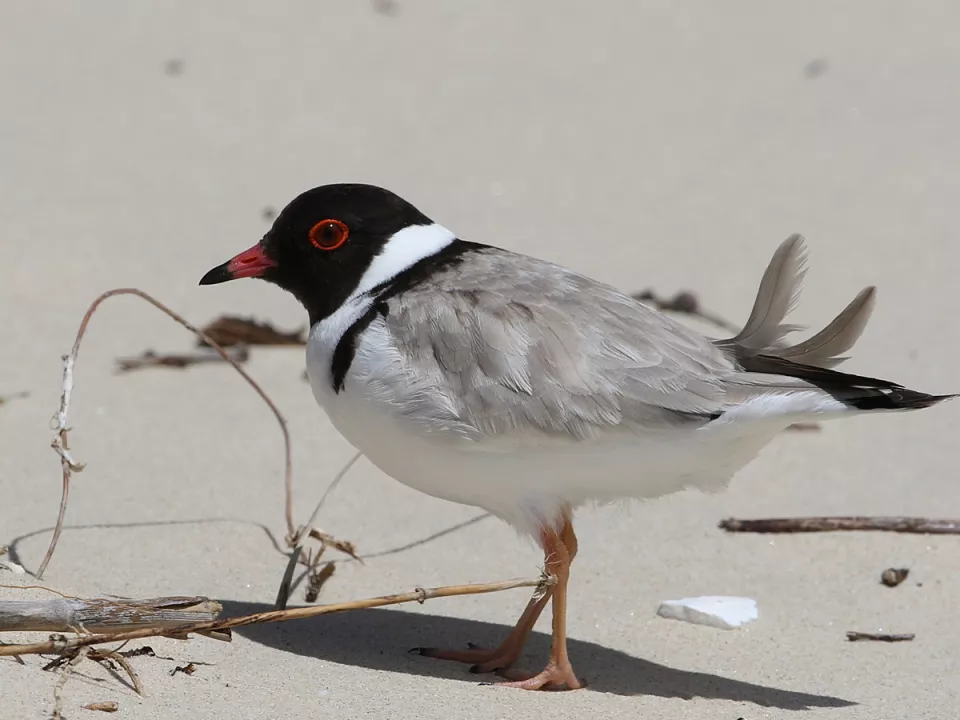
Protecting shorebirds on Bruny Island

Geological History of Bruny Island

Saving wildlife on Bruny Island's roads
Newsletter
Sign up to keep in touch with articles, updates, events or news from Kuno, your platform for nature