
The Vale of Belvoir: Fire as an important conservation tool
Coast to Cradle Wild Country
The Vale of Belvoir is a little under 500 hectares of privately owned land managed for conservation by the Tasmanian Land Conservancy (TLC). Purchased by the organisation in about 2008, the property is now protected for its native vegetation and exceptional ecological values.
Fire as a conservation tool
Fire might seem an unlikely tool for protecting a fragile ecosystem, but in Tasmania’s grasslands it is an important part of conservation management.
Australian grasslands have evolved alongside fire, including the use of fire by Tasmanian Aboriginal people over thousands of years. For the TLC, carefully planned burning is therefore an important way of maintaining the health and structure of the Vale of Belvoir’s grassland ecosystem.

Before a fire is lit, the TLC’s science and reserve management teams undertake detailed planning. They monitor the condition of the grasslands, determine where fire is needed and develop burn plans. Crews need appropriate training, neighbours may be involved, and weather and ground conditions must be carefully considered.
The aim is to burn at the right time, when conditions are neither too wet nor too dry, so that the fire can be applied safely and with a high degree of control.
One particular beneficiary of this work is the grassland paper daisy. Areas are burned beside existing populations with the aim of encouraging the species to expand into suitable habitat.
It is a good example of the way conservation management at the Vale combines science with practical, hands-on work.
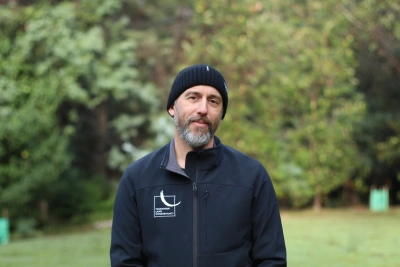
Jonathon Ricciardello
Head of Operations, Tasmanian Land Conservancy
The Vale of Belvoir is a little under 500 hectares of privately owned land managed for conservation by the Tasmanian Land Conservancy (TLC). Purchased by the organisation in about 2008, the property is now protected for its native vegetation and exceptional ecological values.
Fire as a conservation tool
Fire might seem an unlikely tool for protecting a fragile ecosystem, but in Tasmania’s grasslands it is an important part of conservation management.
Australian grasslands have evolved alongside fire, including the use of fire by Tasmanian Aboriginal people over thousands of years. For the TLC, carefully planned burning is therefore an important way of maintaining the health and structure of the Vale of Belvoir’s grassland ecosystem.
Before a fire is lit, the TLC’s science and reserve management teams undertake detailed planning. They monitor the condition of the grasslands, determine where fire is needed and develop burn plans. Crews need appropriate training, neighbours may be involved, and weather and ground conditions must be carefully considered.
The aim is to burn at the right time, when conditions are neither too wet nor too dry, so that the fire can be applied safely and with a high degree of control.
One particular beneficiary of this work is the grassland paper daisy. Areas are burned beside existing populations with the aim of encouraging the species to expand into suitable habitat.
It is a good example of the way conservation management at the Vale combines science with practical, hands-on work.
You might like...
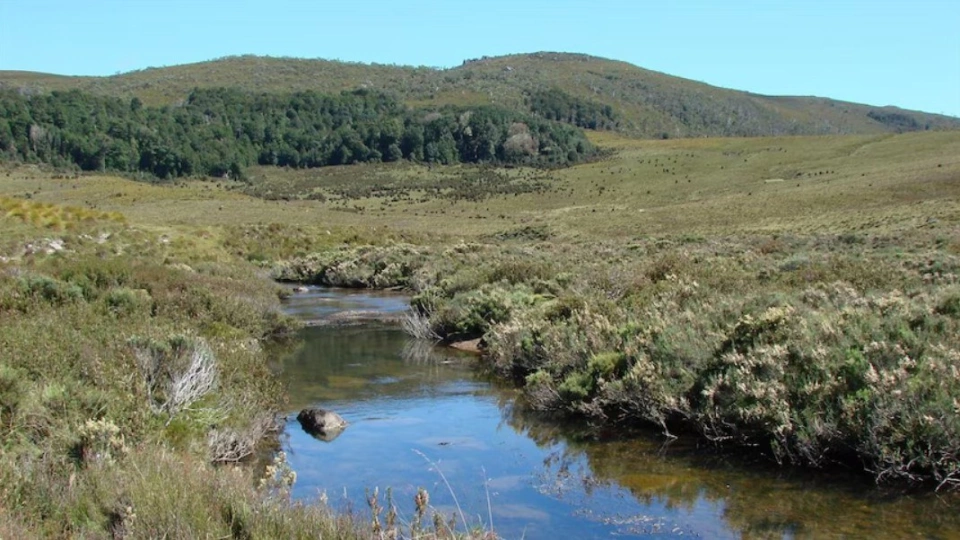
The Vale of Belvoir: Rare grasslands in the Tasmanian Highlands
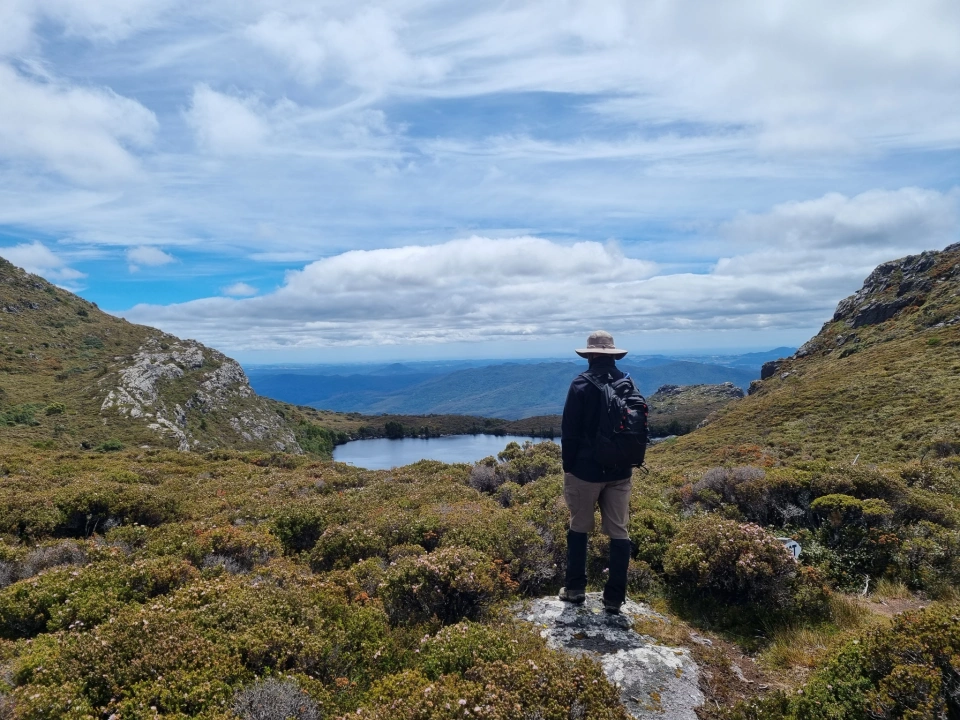
Bell Mount to the Black Bluff Range
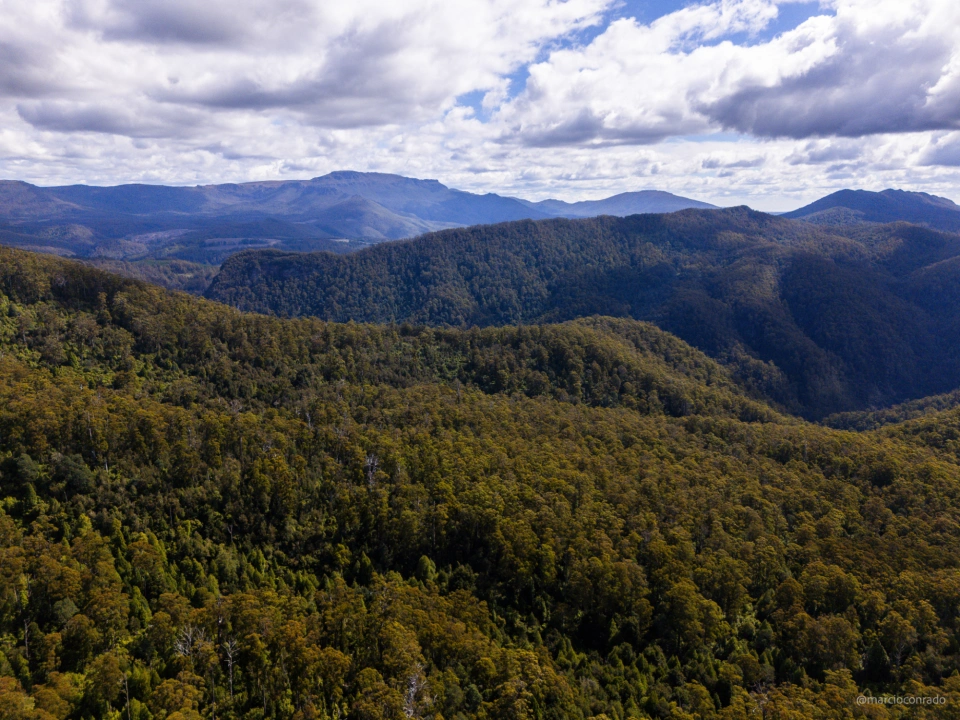
Coast to Cradle Wild Country Map
Coast to Cradle Wild Country: The Film
Newsletter
Sign up to keep in touch with articles, updates, events or news from Kuno, your platform for nature