
The Vale of Belvoir: Rare grasslands in the Tasmanian Highlands
Coast to Cradle Wild Country
The Vale of Belvoir is a little under 500 hectares of privately owned land managed for conservation by the Tasmanian Land Conservancy (TLC). Purchased by the organisation in about 2008, the property is now protected for its native vegetation and exceptional ecological values.
The TLC is a not-for-profit organisation funded entirely through philanthropy, with donations supporting its work to protect high-conservation-value private land across Tasmania. Unlike public land managers, the organisation focuses specifically on private properties where conservation management can make a significant difference. The Vale of Belvoir is one of those properties.

A rare highland grassland
Perhaps the most significant feature of the Vale of Belvoir is its Poa highland grasslands.
“The grasslands at the Veil of Belvoir are probably some of the most extensive and highest quality ones left in the state. With time there's been some degradation around some of those areas through overgrazing and things like that, but these have been managed really well over time so they're in really good condition”, says TLC Head of Operations, Jonathan Riciardello.
At around 800 metres above sea level, the Vale has a cool climate even during summer. Historically, this made the grasslands particularly valuable for cattle grazing. The prolonged summer growth provided an important seasonal grazing resource for farming families in the region.

A haven for threatened wildlife
The grasslands are not the only reason the Vale of Belvoir is important. The property supports a high density of marsupial carnivores, including Tasmanian devils and spotted-tailed quolls. Ground parrots and the threatened Tasmanian wedge-tailed eagle also occur on the property.
And then there is a much smaller inhabitant; the Tanara brown butterfly. The Tanara brown butterfly is a federally listed endangered species and is closely associated with the highland grassland environment. Protecting and improving its habitat is therefore another important part of managing the Vale.
-----------------------------------------------------
The Vale of Belvoir is an important part of the Coast to Cradle Wild Country, connecting the Cradle Mountain- Lake St. Clair National Park to Black Bluff Nature Recreation Area.
Do you want to have your say on the future of the Coast to Cradle Wild Country? Fill out the Community Survey here: https://kuno.earth/articles/community-survey-coast-to-cradle
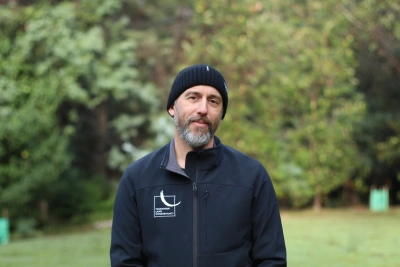
Jonathon Ricciardello
Head of Operations, Tasmanian Land Conservancy
The Vale of Belvoir is a little under 500 hectares of privately owned land managed for conservation by the Tasmanian Land Conservancy (TLC). Purchased by the organisation in about 2008, the property is now protected for its native vegetation and exceptional ecological values.
The TLC is a not-for-profit organisation funded entirely through philanthropy, with donations supporting its work to protect high-conservation-value private land across Tasmania. Unlike public land managers, the organisation focuses specifically on private properties where conservation management can make a significant difference. The Vale of Belvoir is one of those properties.
A rare highland grassland
Perhaps the most significant feature of the Vale of Belvoir is its Poa highland grasslands.
“The grasslands at the Veil of Belvoir are probably some of the most extensive and highest quality ones left in the state. With time there's been some degradation around some of those areas through overgrazing and things like that, but these have been managed really well over time so they're in really good condition”, says TLC Head of Operations, Jonathan Riciardello.
At around 800 metres above sea level, the Vale has a cool climate even during summer. Historically, this made the grasslands particularly valuable for cattle grazing. The prolonged summer growth provided an important seasonal grazing resource for farming families in the region.
A haven for threatened wildlife
The grasslands are not the only reason the Vale of Belvoir is important. The property supports a high density of marsupial carnivores, including Tasmanian devils and spotted-tailed quolls. Ground parrots and the threatened Tasmanian wedge-tailed eagle also occur on the property.
And then there is a much smaller inhabitant; the Tanara brown butterfly. The Tanara brown butterfly is a federally listed endangered species and is closely associated with the highland grassland environment. Protecting and improving its habitat is therefore another important part of managing the Vale.
-----------------------------------------------------
The Vale of Belvoir is an important part of the Coast to Cradle Wild Country, connecting the Cradle Mountain- Lake St. Clair National Park to Black Bluff Nature Recreation Area.
Do you want to have your say on the future of the Coast to Cradle Wild Country? Fill out the Community Survey here: https://kuno.earth/articles/community-survey-coast-to-cradle
You might like...
Coast to Cradle Wild Country: Community Survey
Bell Mount to the Black Bluff Range

Loyetea: The Wild Heart of Gunns Plains
Three Brothers Hills: history, forest and a place valued by local people
Newsletter
Sign up to keep in touch with articles, updates, events or news from Kuno, your platform for nature