
The history of the Kunanyi huts
Kunanyi - Mount Wellington
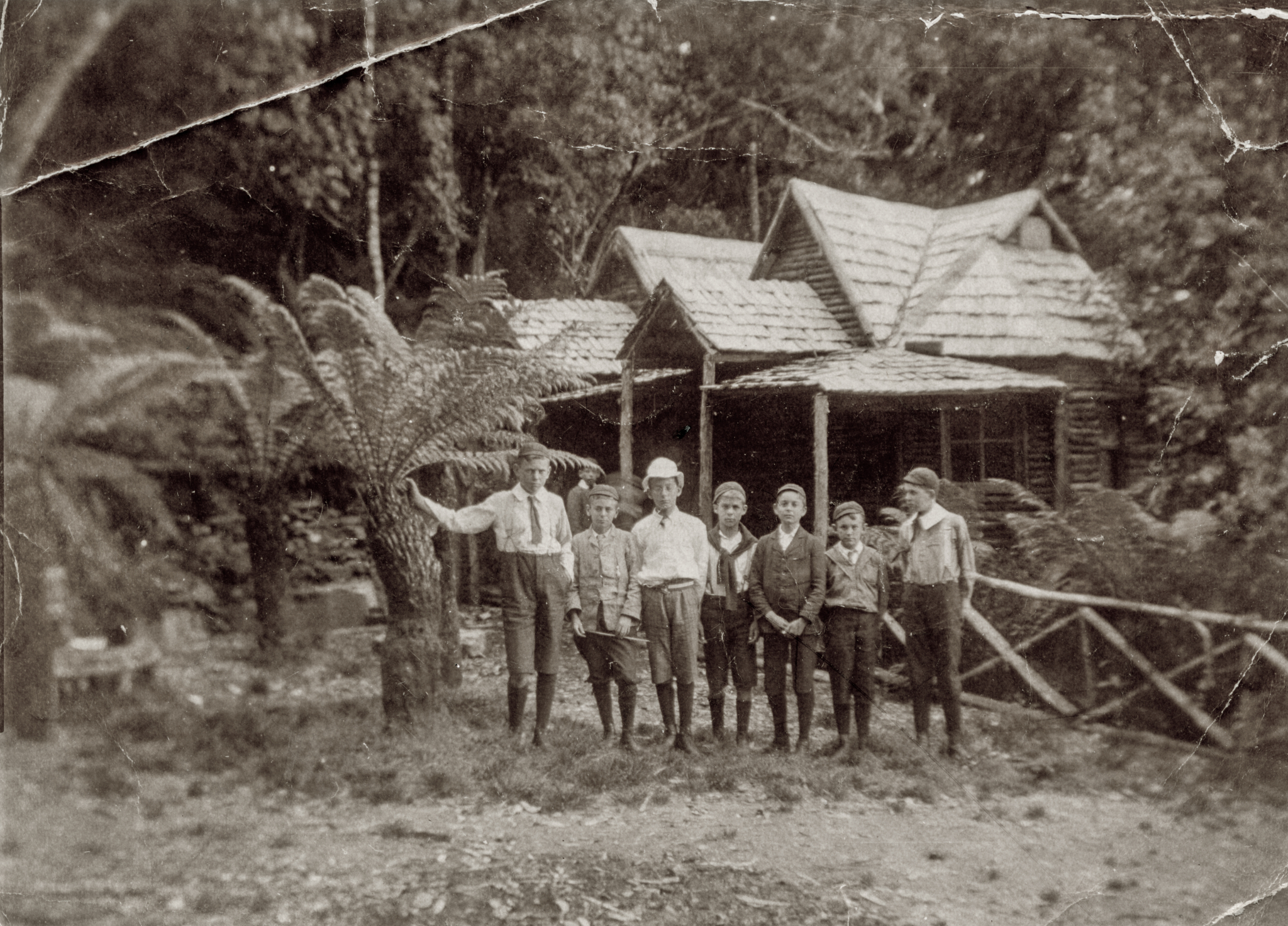
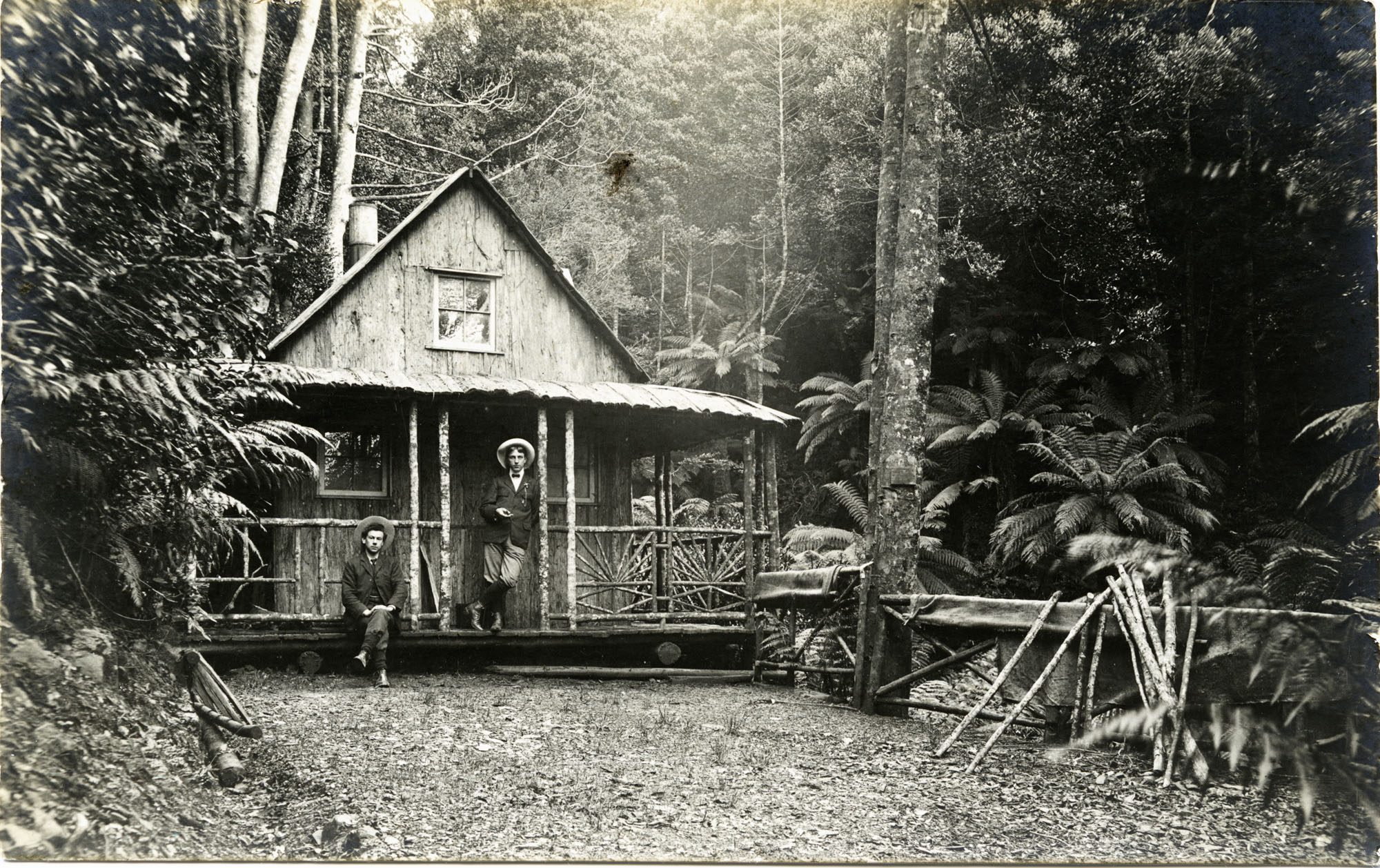
The young men would be working five days a week in town. Five and a half days of work, and then they would have a day and a half off. They were young, fit and strong, and they wanted to do something, they didn't want to just sit at home. So they went up in the bush and made a little bush hut.
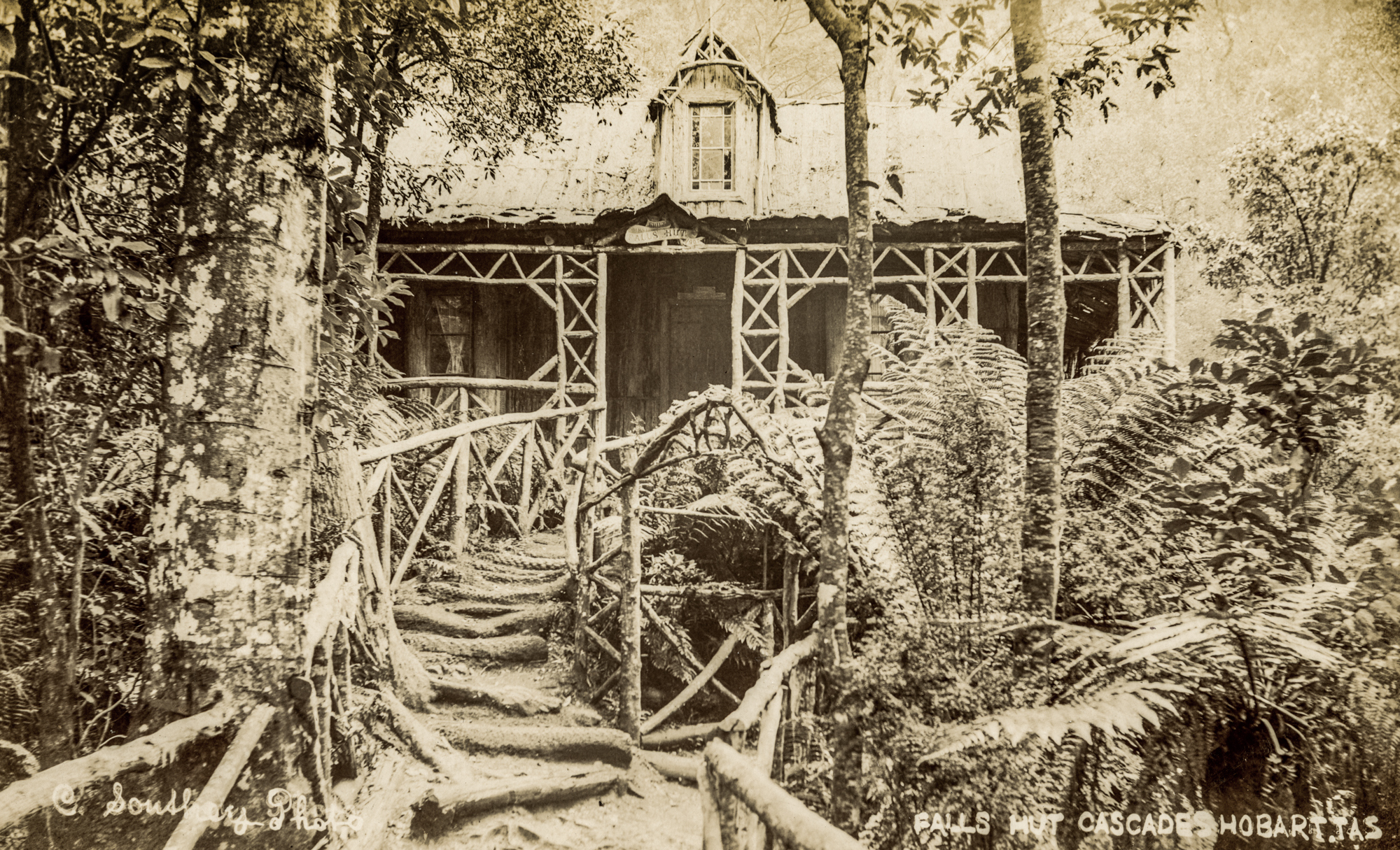
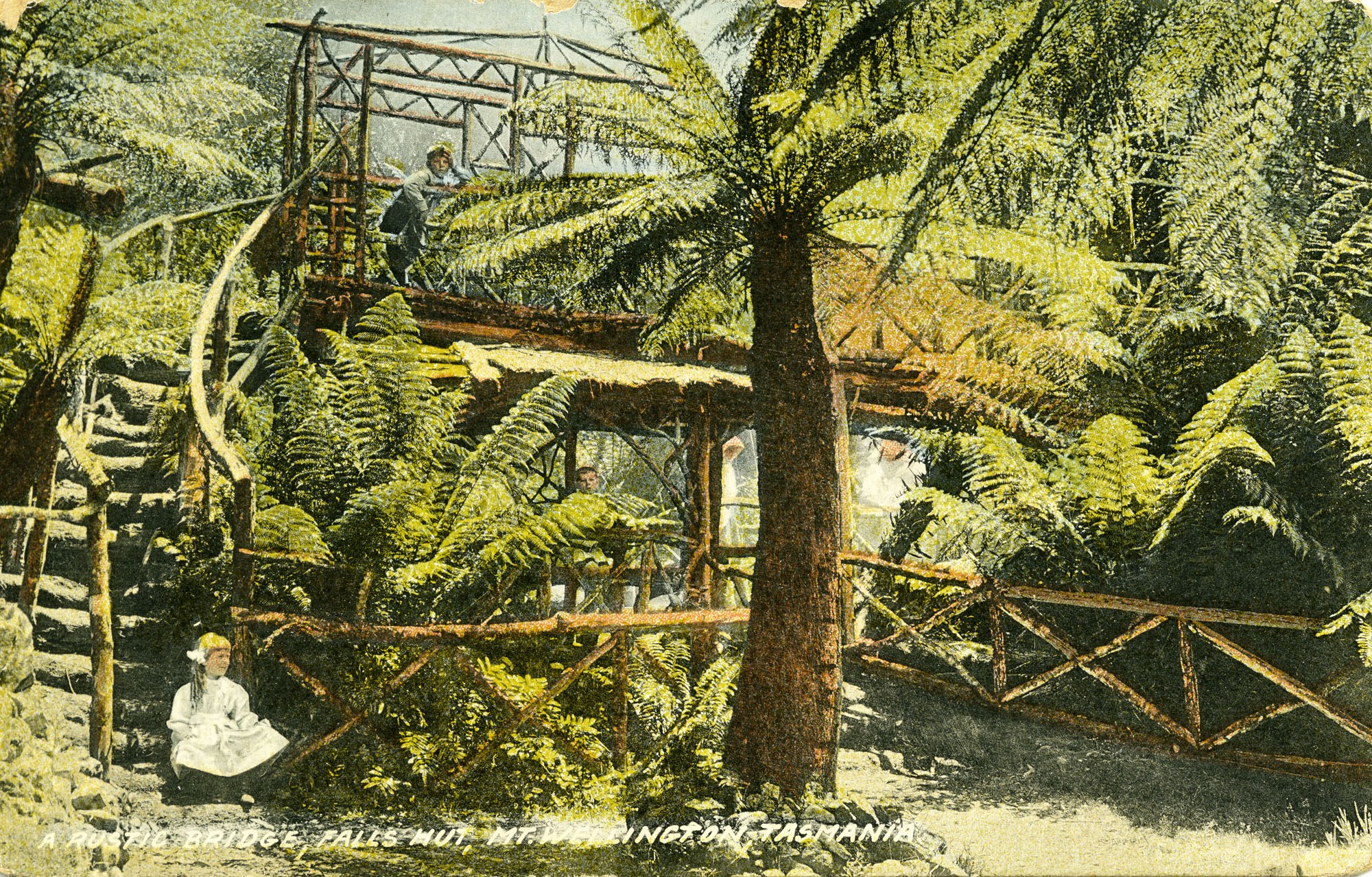
One did it, then another group did it and then another group did it. Then one started to add decoration, like little twisted bits of vine and little bits of bush furniture, verandas, trellises. It gradually just exploded.
It was a kind of a movement that took Hobart by storm.
It got quite famous, many people would come from the mainland and occasionally even from overseas to see the huts.

At the time they were celebrated in the postcards as well. The postcards would depict the more popular huts and of course that would make them even more known to people. And the ladies would go up there in their long, Edwardian style dresses. They would go up there in the bush along these tracks, they would have tea and sometimes some of them would cook meals and take visitors along.

It was a bit like an early days informal grass roots tourism thing. They were using the mountain in a very down-to-earth way.
Everything that they made their huts out of was natural, rocks and trees and the things around them.
They didn't like to just bring in stuff from town. Unfortunately, because they were all made out of wood and bark, they haven't lasted. But we do have records.

The Hobart Walking Club has been a great keeper of this information and they occasionally lead walks to the locations. At the spots where the huts used to be, now you can usually only find a little chimney base, maybe some broken crockery or some flat areas. When you look at the photos, you can kind of compare it and go, oh yes, that’s where that was. It's quite fun.
It's like sleuthing to try and get a sense of how it was back in the early days, and you feel connected to those people and their love of the mountain.



Maria Grist
The young men would be working five days a week in town. Five and a half days of work, and then they would have a day and a half off. They were young, fit and strong, and they wanted to do something, they didn't want to just sit at home. So they went up in the bush and made a little bush hut.
One did it, then another group did it and then another group did it. Then one started to add decoration, like little twisted bits of vine and little bits of bush furniture, verandas, trellises. It gradually just exploded.
It was a kind of a movement that took Hobart by storm.
It got quite famous, many people would come from the mainland and occasionally even from overseas to see the huts.
At the time they were celebrated in the postcards as well. The postcards would depict the more popular huts and of course that would make them even more known to people. And the ladies would go up there in their long, Edwardian style dresses. They would go up there in the bush along these tracks, they would have tea and sometimes some of them would cook meals and take visitors along.
It was a bit like an early days informal grass roots tourism thing. They were using the mountain in a very down-to-earth way.
Everything that they made their huts out of was natural, rocks and trees and the things around them.
They didn't like to just bring in stuff from town. Unfortunately, because they were all made out of wood and bark, they haven't lasted. But we do have records.
The Hobart Walking Club has been a great keeper of this information and they occasionally lead walks to the locations. At the spots where the huts used to be, now you can usually only find a little chimney base, maybe some broken crockery or some flat areas. When you look at the photos, you can kind of compare it and go, oh yes, that’s where that was. It's quite fun.
It's like sleuthing to try and get a sense of how it was back in the early days, and you feel connected to those people and their love of the mountain.
You might like...
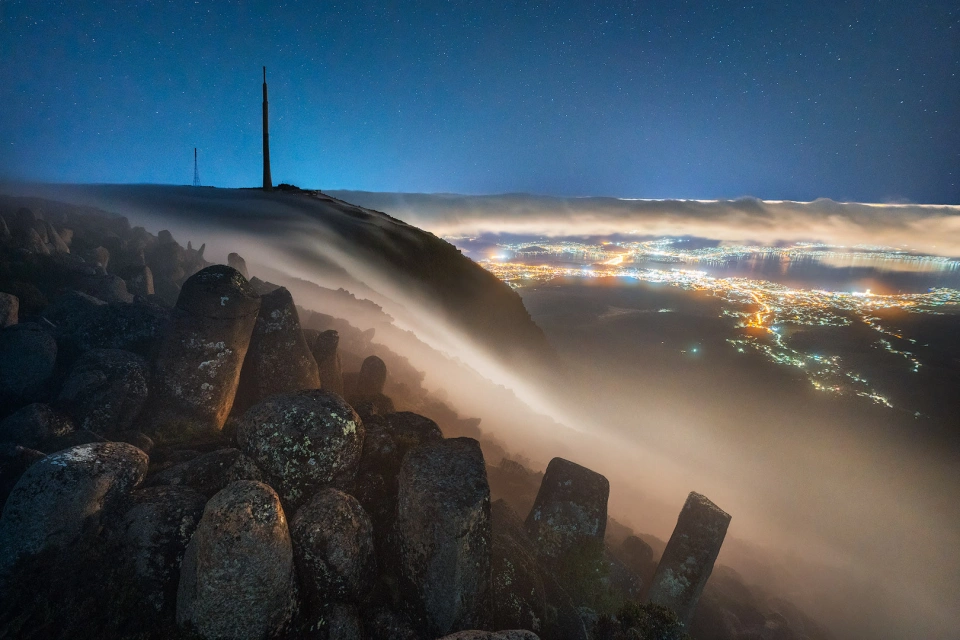
Embraced by the mountain
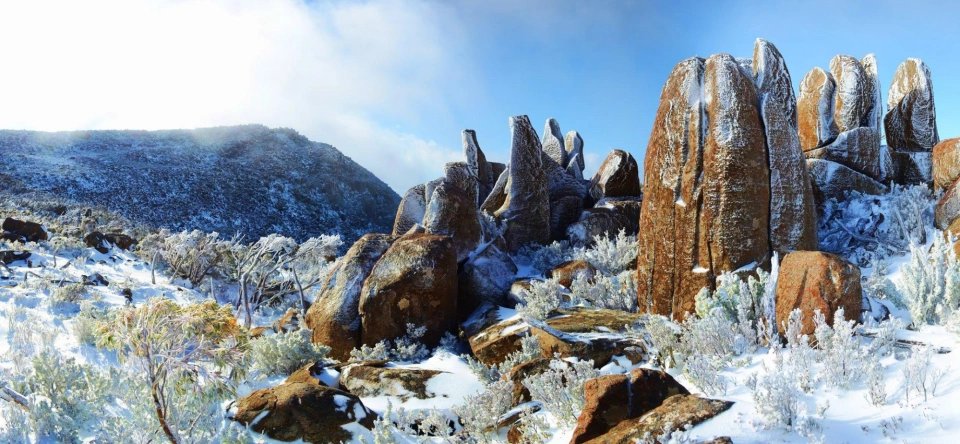
The dynamic interaction between people and place
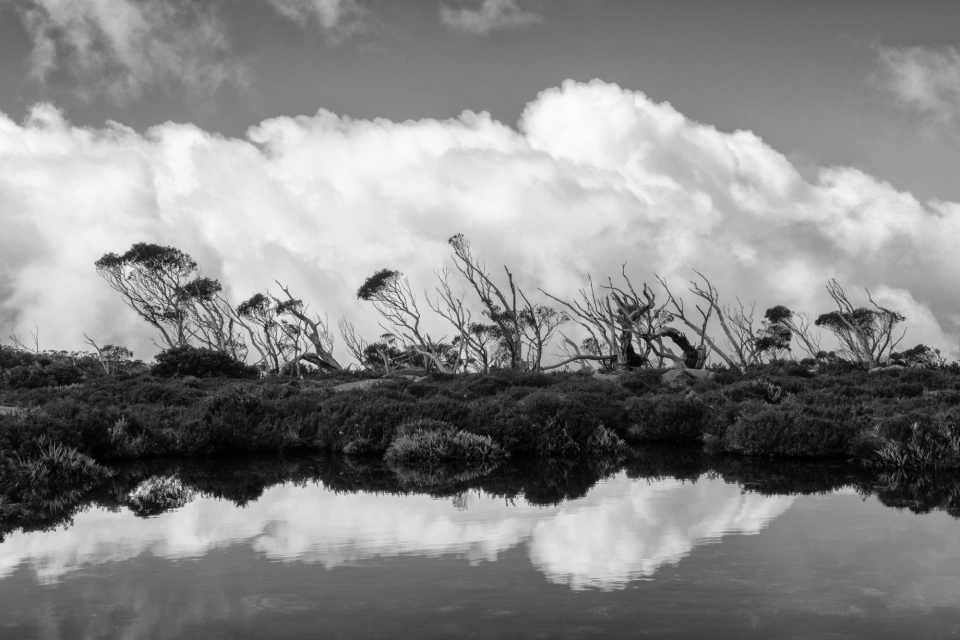
The mountain is always changing
Newsletter
Sign up to keep in touch with articles, updates, events or news from Kuno, your platform for nature