
Loyetea Range Karst Landscape in the Coast to Cradle Wild Country
Coast to Cradle Wild Country
Limestone can create ‘karst landscapes’ due to the carbonate in the limestone being dissolved through the movement of acidic water over and through cracks in these rocks. This can contribute to the creation of caves.
The caves can also be further eroded through the movement of underground steams, creating larger caves. Sometimes, the roof of a cave close to the surface collapses, which creates a sinkhole. Sinkholes appear as circular depressions in the landscape and can often reveal openings to a cave’s underground world.

Gunns Plains Cave
‘The Gunns Plains Cave’ is a State Reserve surrounded by cleared farmland. This cave was found in 1906, by Bill Woodhouse. BIll was chasing his dog, who was in turn chasing a possum that went down a cave entrance in a sinkhole, leading Bill to discover the cave.
Inside Gunns Plains Cave are many spectacular rock formations. These include stalactites, which hang down from cave ceilings, and stalagmites, which grow upwards from cave floors.
These formations develop when water carrying dissolved minerals drips into the cave. As the water evaporates, the minerals are left behind and slowly build up over thousands of years.
Sometimes stalactites and stalagmites grow together to form columns. Beautiful cave formations can take thousands of years to ‘grow ‘and are delicate and fragile. Gunns Plains Cave can be visited on an excellent tour led by local guides.

Caves and Sinkholes in the Area
The late Stephen Blanden, who was a local farm manager and keen caver, mapped many caves within the Gunns Plains- Loyetea Range and beyond, including the Vale of Belvoir.
At the Vale there are at least 40 sinkholes within alpine native grass, herb and rushlands, in an area now owned and managed by the Tasmanian Land Conservancy (TLC).
Stephen left a financial bequest to the TLC to help ensure that this special place and its caves continue to be cared for into the future.

Protecting the Loyetea Range
Most of the limestone landscape around Gunns Plains has been cleared of its original forest. However, some native forest remains on the lower slopes of the nearby Loyetea Range, which is part of the Coast to Cradle Wild Country.
The IUCN Guidelines for Cave and Karst Protection state that a stable layer of natural vegetation should be maintained over karst landscapes. This shows why the remaining native forest on the Loyetea Range is important.
In 2003 the community-led ‘Canyon to Bluff Working Group’ obtained local support for the Loyetea Range to become a nature reserve. This nomination was supported by the Tasmanian Forest Agreement 2012, and the forestry industry was paid compensation for the area’s protection but gazetting to formalise this reserve still needs to occur.
Become a part of the Coast to Cradle Wild Country Vision conversation about the appropriate reserve tenure for this area, and its important remnant of natural native forest cover over the karst landscape. Fill out the community survey here: https://kuno.earth/articles/community-survey-coast-to-cradle or join a Community Workshop this week.

Kuno
Limestone can create ‘karst landscapes’ due to the carbonate in the limestone being dissolved through the movement of acidic water over and through cracks in these rocks. This can contribute to the creation of caves.
The caves can also be further eroded through the movement of underground steams, creating larger caves. Sometimes, the roof of a cave close to the surface collapses, which creates a sinkhole. Sinkholes appear as circular depressions in the landscape and can often reveal openings to a cave’s underground world.
Gunns Plains Cave
‘The Gunns Plains Cave’ is a State Reserve surrounded by cleared farmland. This cave was found in 1906, by Bill Woodhouse. BIll was chasing his dog, who was in turn chasing a possum that went down a cave entrance in a sinkhole, leading Bill to discover the cave.
Inside Gunns Plains Cave are many spectacular rock formations. These include stalactites, which hang down from cave ceilings, and stalagmites, which grow upwards from cave floors.
These formations develop when water carrying dissolved minerals drips into the cave. As the water evaporates, the minerals are left behind and slowly build up over thousands of years.
Sometimes stalactites and stalagmites grow together to form columns. Beautiful cave formations can take thousands of years to ‘grow ‘and are delicate and fragile. Gunns Plains Cave can be visited on an excellent tour led by local guides.
Caves and Sinkholes in the Area
The late Stephen Blanden, who was a local farm manager and keen caver, mapped many caves within the Gunns Plains- Loyetea Range and beyond, including the Vale of Belvoir.
At the Vale there are at least 40 sinkholes within alpine native grass, herb and rushlands, in an area now owned and managed by the Tasmanian Land Conservancy (TLC).
Stephen left a financial bequest to the TLC to help ensure that this special place and its caves continue to be cared for into the future.
Protecting the Loyetea Range
Most of the limestone landscape around Gunns Plains has been cleared of its original forest. However, some native forest remains on the lower slopes of the nearby Loyetea Range, which is part of the Coast to Cradle Wild Country.
The IUCN Guidelines for Cave and Karst Protection state that a stable layer of natural vegetation should be maintained over karst landscapes. This shows why the remaining native forest on the Loyetea Range is important.
In 2003 the community-led ‘Canyon to Bluff Working Group’ obtained local support for the Loyetea Range to become a nature reserve. This nomination was supported by the Tasmanian Forest Agreement 2012, and the forestry industry was paid compensation for the area’s protection but gazetting to formalise this reserve still needs to occur.
Become a part of the Coast to Cradle Wild Country Vision conversation about the appropriate reserve tenure for this area, and its important remnant of natural native forest cover over the karst landscape. Fill out the community survey here: https://kuno.earth/articles/community-survey-coast-to-cradle or join a Community Workshop this week.
You might like...
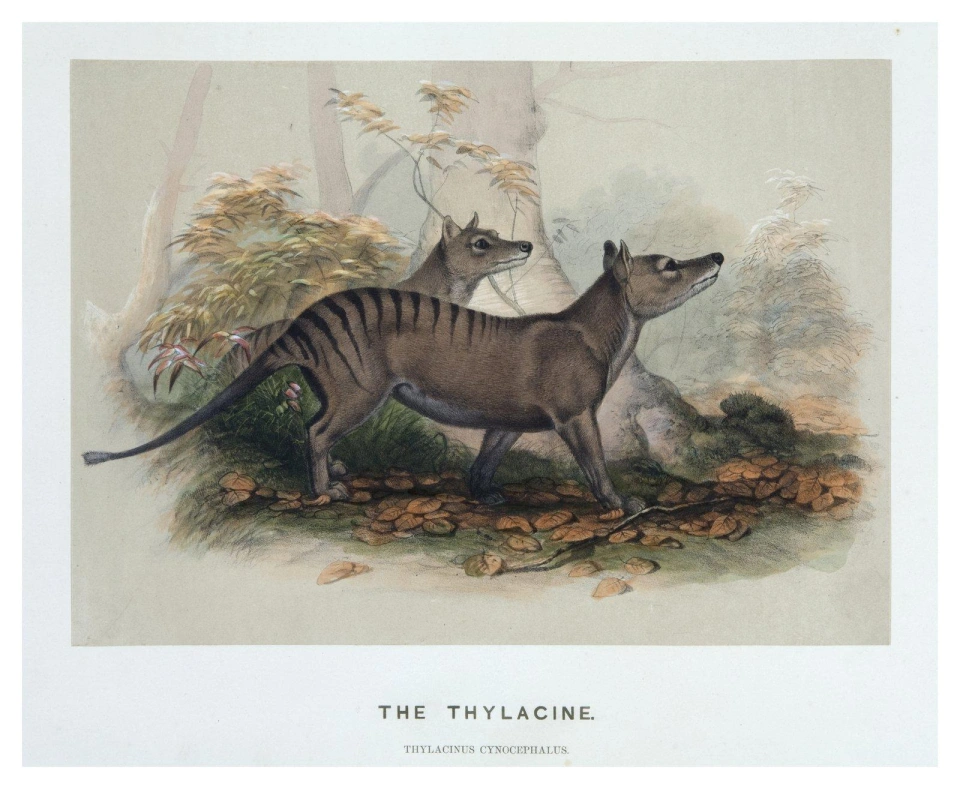
Tiger Plain Reflection: Coast to Cradle Wild Country
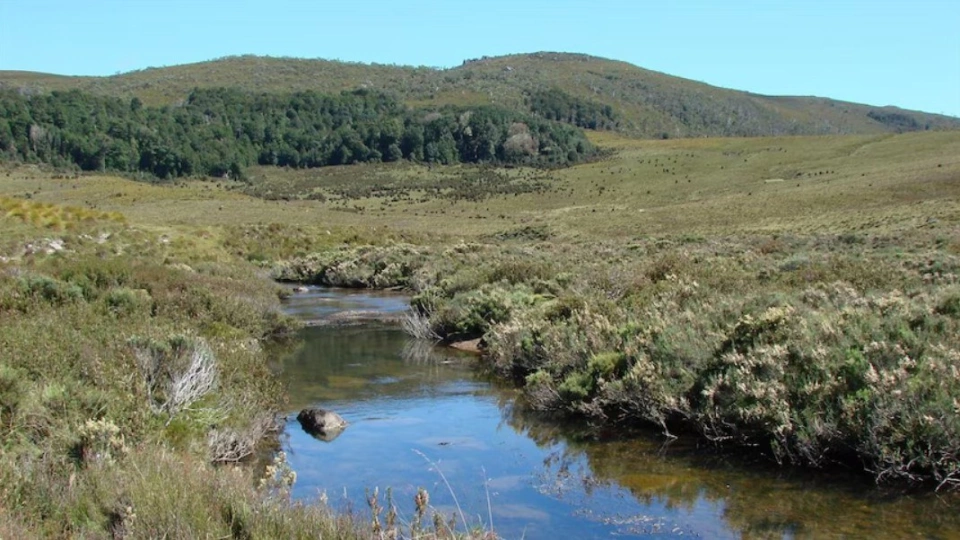
The Vale of Belvoir: Rare grasslands in the Tasmanian Highlands
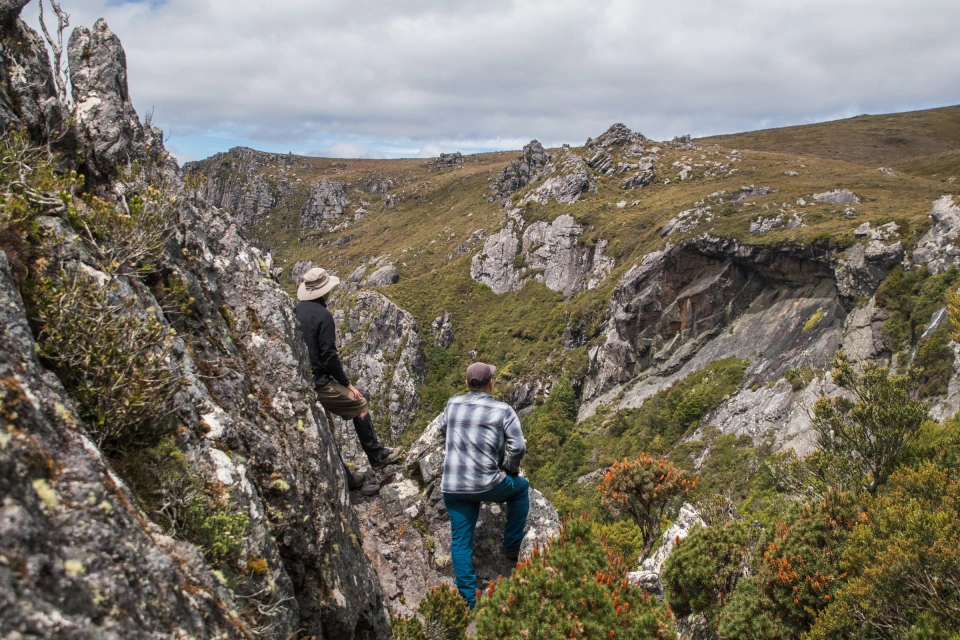
Coast to Cradle Wild Country: The Film
Coast to Cradle Wild Country: Community Survey
Newsletter
Sign up to keep in touch with articles, updates, events or news from Kuno, your platform for nature