
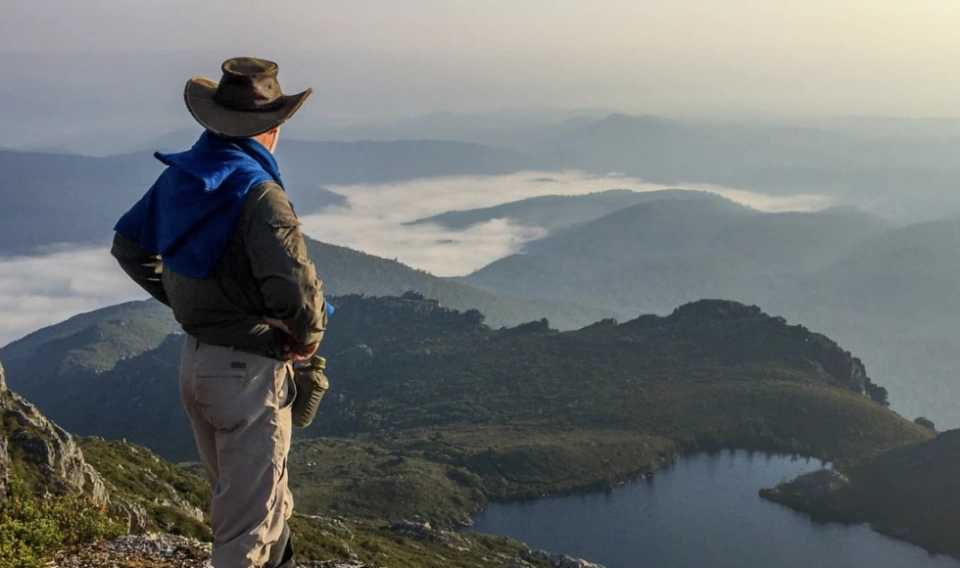
The river is known to be 99-odd kilometres long, starting behind Black Bluff mountain. It winds its way down around the side of Black Bluff, through Loongana, and then comes down and heads through the Leven Canyon.
Then it flows down from the Leven Canyon through some beautiful forest and comes out into Gunns Plains. From Gunns Plains, about 20 km down, it then comes down into Purtons Flats and beyond.
It’s recorded where people frequented the river up and down from the coast to Loongana and beyond. There’s a myriad of archaeological sites that are still here, and huge grassland areas and places where people lived and thrived for thousands and thousands of years.

I don’t really know of many other places, at least in Tasmania, where this sort of corridor exists next to a river that’s this accessible.
And yet has the most outstanding scenery and places that you could find pretty much in the world.
When we look at a river, the river basically connects all the places that we’re talking about (the Central Coast, Dial Range, Leven Canyon, Black Bluff mountain). It’s the thread that weaves them all together. And at the moment it’s one of the only rivers left in Tasmania that hasn’t got a dam on it or is in some way interrupted, which in its own right is pretty special as well.

We can basically look at it like it’s a spine of the cultural landscape from the headwaters to the ocean. And as we’re exploring those sorts of understandings - which has always been an Indigenous way of thinking - the river is pretty much a central piece of a living landscape within a catchment.
------------------------------------------------------------------------
A working group is bringing together a community-led vision for the Coast to Cradle Wild Country, and are inviting the community to drive and shape this vision so it captures their dreams for the future of this very special place.
Have your say by filling out the community survey: https://kuno.earth/articles/community-survey-coast-to-cradle
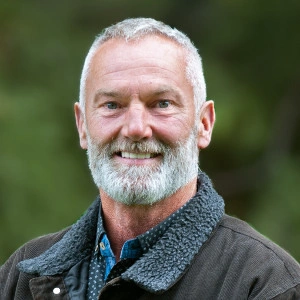
Lyndon O'Neil
Cultural steward & land management
The river is known to be 99-odd kilometres long, starting behind Black Bluff mountain. It winds its way down around the side of Black Bluff, through Loongana, and then comes down and heads through the Leven Canyon.
Then it flows down from the Leven Canyon through some beautiful forest and comes out into Gunns Plains. From Gunns Plains, about 20 km down, it then comes down into Purtons Flats and beyond.
It’s recorded where people frequented the river up and down from the coast to Loongana and beyond. There’s a myriad of archaeological sites that are still here, and huge grassland areas and places where people lived and thrived for thousands and thousands of years.
I don’t really know of many other places, at least in Tasmania, where this sort of corridor exists next to a river that’s this accessible.
And yet has the most outstanding scenery and places that you could find pretty much in the world.
When we look at a river, the river basically connects all the places that we’re talking about (the Central Coast, Dial Range, Leven Canyon, Black Bluff mountain). It’s the thread that weaves them all together. And at the moment it’s one of the only rivers left in Tasmania that hasn’t got a dam on it or is in some way interrupted, which in its own right is pretty special as well.
We can basically look at it like it’s a spine of the cultural landscape from the headwaters to the ocean. And as we’re exploring those sorts of understandings - which has always been an Indigenous way of thinking - the river is pretty much a central piece of a living landscape within a catchment.
------------------------------------------------------------------------
A working group is bringing together a community-led vision for the Coast to Cradle Wild Country, and are inviting the community to drive and shape this vision so it captures their dreams for the future of this very special place.
Have your say by filling out the community survey: https://kuno.earth/articles/community-survey-coast-to-cradle
Love what you're reading? Support Kuno donate to support them now
Donate hereYou might like...
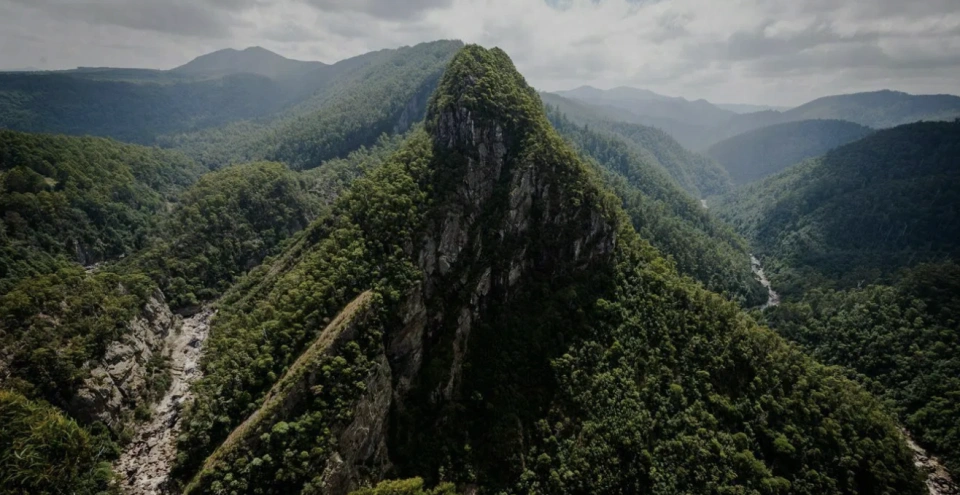
Leven Canyon: spectacular views and versatile biodiversity
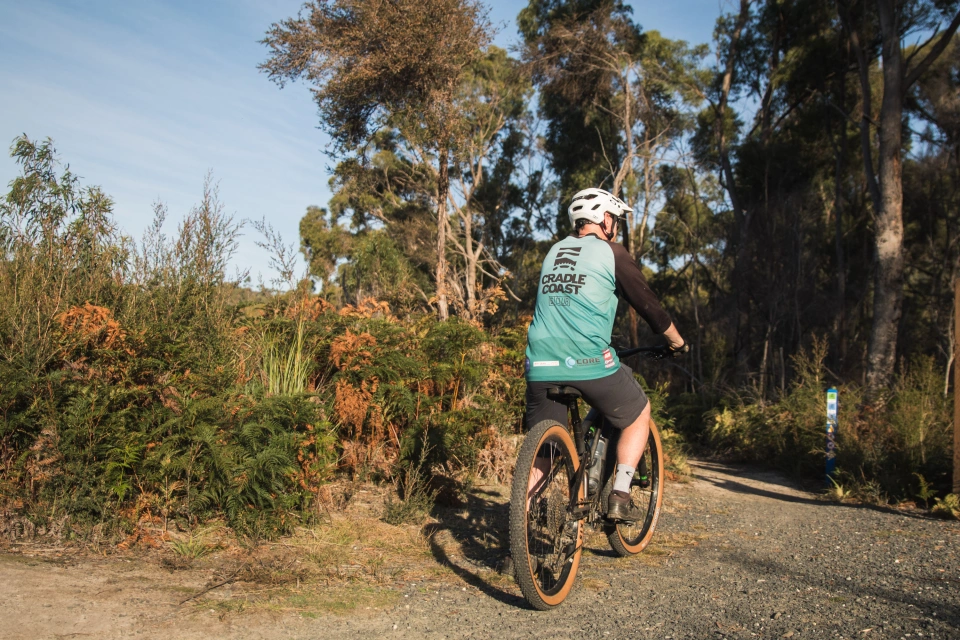
Mountain biking on the north west coast
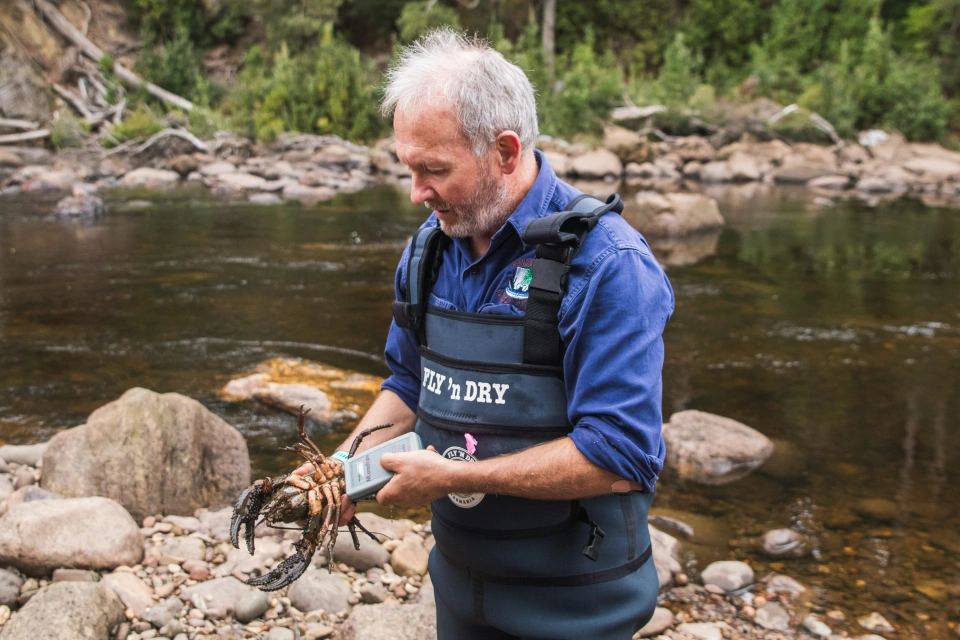
Giant freshwater crayfish surveying with Todd Walsh
Black Bluff Mountain
Newsletter
Sign up to keep in touch with articles, updates, events or news from Kuno, your platform for nature