
Coast to Cradle Wild Country vision survey opens to public
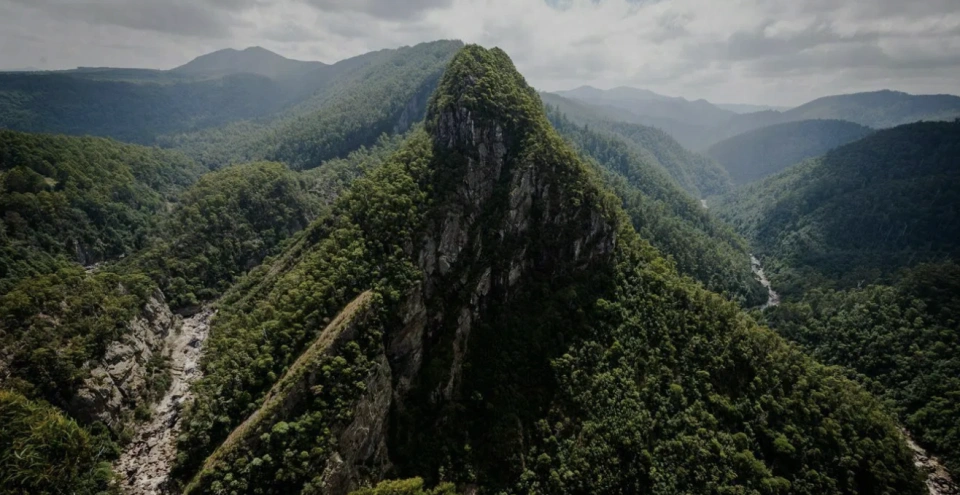
At its core of this wild country is a remarkable corridor of public land managed by the Parks and Wildlife Service, including the Dial Range, Leven Canyon, Three Brothers/Loyetea Peak and Black Bluff and surrounds, connected by the Leven River and the Penguin to Cradle Trail. This region is deeply loved by locals and visitors, rich in stories, culture and the connection between people and place.
The Coast to Cradle working group is bringing together a community-led vision for this region, including community recreation and tourism values, appropriate nature conservation tenure, a unifying identity and name, and a report to present to government on actions that can be taken to bring the vision to life. This offers an incredible opportunity to bring together currently disparate reserve tenures without a cohesive identity into a cohesive vision for the region:
“The Dial Range, then the Leven Canyon, and then the Black Bluff are a corridor. They're a relatively unique corridor in Tasmania where the Highlands meets the ocean.” -Dave Henderson, Farmer, Coast to Cradle working group
For local people, the wild country is already an important part of everyday life.
“It'd be good to see it as a sort of a shared use area. Mountain biking, hiking, horse riding, full driving, motorbike riding, all sorts of outdoor recreation.” — Chris Stredwick, President, Cradle Coast Mountain Bike Club
It also has the potential to bring more opportunities to showcase the country for locals and visitors to the region that can support the local economy.
“Personally, I'd love to see so much more opportunity, not just for locals, but, for people that want to come to Tasmania, especially on the coast, to have more experiences that can really showcase this country from the beaches into the highlands or the mountains.” — Tully O’Neill, Healthy Country Consulting Services
“What we actually need to do is develop more activities and use our natural assets so people stay longer in our local community and then that helps the economy and helps put the region more on the map.” — Guy Robinson, Mount Gnoman Farm
For ordinary people, it also offers a way to contribute to their health and wellbeing.
“This is what everyday people can access to contribute to their well-being. And it's far better than going to any gym.” — Sue Robertson, Registered Nurse
The working group is a collaborative group of stakeholders supported by the Kuno Foundation. The aim is to bring together the ideas and vision of the local community and present them to local, State and Commonwealth governments to bring a remarkable opportunity for the region to life. The community vision survey is open throughout September. Open days and workshops will also be held in Penguin, Ulverstone, Gunns Plains and Sheffield. The community can contribute by completing the survey and/or attending an open day or workshop.
Take the survey HERE
At its core of this wild country is a remarkable corridor of public land managed by the Parks and Wildlife Service, including the Dial Range, Leven Canyon, Three Brothers/Loyetea Peak and Black Bluff and surrounds, connected by the Leven River and the Penguin to Cradle Trail. This region is deeply loved by locals and visitors, rich in stories, culture and the connection between people and place.
The Coast to Cradle working group is bringing together a community-led vision for this region, including community recreation and tourism values, appropriate nature conservation tenure, a unifying identity and name, and a report to present to government on actions that can be taken to bring the vision to life. This offers an incredible opportunity to bring together currently disparate reserve tenures without a cohesive identity into a cohesive vision for the region:
“The Dial Range, then the Leven Canyon, and then the Black Bluff are a corridor. They're a relatively unique corridor in Tasmania where the Highlands meets the ocean.” -Dave Henderson, Farmer, Coast to Cradle working group
For local people, the wild country is already an important part of everyday life.
“It'd be good to see it as a sort of a shared use area. Mountain biking, hiking, horse riding, full driving, motorbike riding, all sorts of outdoor recreation.” — Chris Stredwick, President, Cradle Coast Mountain Bike Club
It also has the potential to bring more opportunities to showcase the country for locals and visitors to the region that can support the local economy.
“Personally, I'd love to see so much more opportunity, not just for locals, but, for people that want to come to Tasmania, especially on the coast, to have more experiences that can really showcase this country from the beaches into the highlands or the mountains.” — Tully O’Neill, Healthy Country Consulting Services
“What we actually need to do is develop more activities and use our natural assets so people stay longer in our local community and then that helps the economy and helps put the region more on the map.” — Guy Robinson, Mount Gnoman Farm
For ordinary people, it also offers a way to contribute to their health and wellbeing.
“This is what everyday people can access to contribute to their well-being. And it's far better than going to any gym.” — Sue Robertson, Registered Nurse
The working group is a collaborative group of stakeholders supported by the Kuno Foundation. The aim is to bring together the ideas and vision of the local community and present them to local, State and Commonwealth governments to bring a remarkable opportunity for the region to life. The community vision survey is open throughout September. Open days and workshops will also be held in Penguin, Ulverstone, Gunns Plains and Sheffield. The community can contribute by completing the survey and/or attending an open day or workshop.
Take the survey HERE
Love what you're reading? Support Kuno Foundation donate to support them now
Donate hereYou might like...
Leven Canyon: spectacular views and versatile biodiversity

Belted Galloway Cattle: Protectors of the Heather
Reconnecting with Nature: The Power of Children Planting Trees for Endangered Species

Introducing Kuno - launch event
Newsletter
Sign up to keep in touch with articles, updates, events or news from Kuno, your platform for nature