
‘Coast to Cradle Wild Country’ connects community, wellbeing & prosperity
Coast to Cradle Wild Country
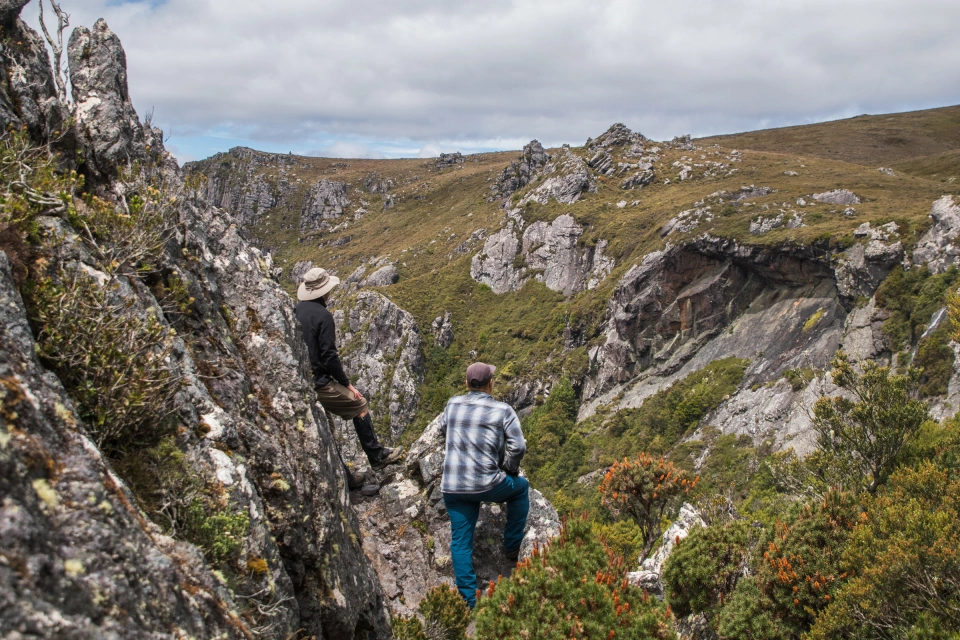
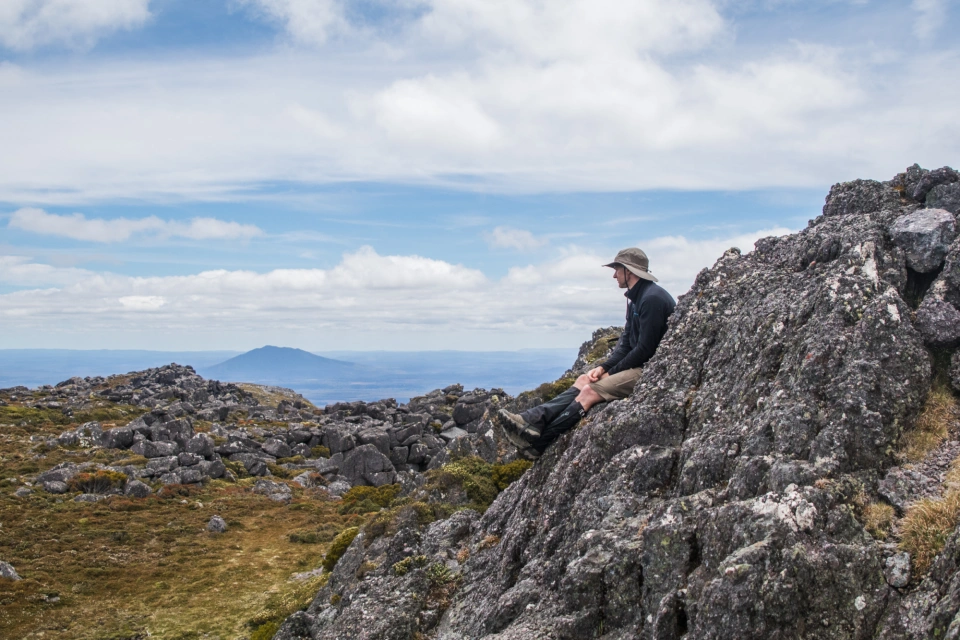
From near the coast of Penguin to the slopes of Cradle Mountain, a broad ribbon of public wild country runs through the heart of the Central Coast. A community-led Coast to Cradle Wild Country working group is asking the people of Tasmania to help shape the future of how this wild country is enjoyed and cared for.
Tourism Tasmania research shows the State is a sought-after destination for nature led wellness travel. Coastal towns and rural communities in Northern Tasmania are well positioned for the strong potential grow of this travel market, as they surround and embrace a remarkable stretch of wild country that runs from near the coast of Penguin all the way to Cradle Mountain. This stretch of wild country is made up of public land of various crownland tenures managed by the Tasmania Parks and Wildlife Service (TPWS) across the Dial Range, Leven Canyon, Loyetea Range, Three Brothers Hills, Black Bluff and surrounds.
The research found when people imagine a trip to Tasmania, wellness becomes more experiential, shared and driven by nature. Tourism Industry Council Tasmania chief executive, Amy Hills said in a release from the Premiers office "As we move into the next chapter of Northern Tasmania's economic future, the visitor economy will play an even more critical role than it does now in supporting the region.” This echo’s the Central Coast Councils 2025 ‘Value of the Dial Range’ report, by Saul Eslake and Emily Mahler, who found that in 2024 alone, this intact natural asset delivered $4.7 million to Tasmania. This will increase as the nature wellness tourism and recreation sectors are poised for significant growth.

To manage our shared natural assets for both prosperity and wellbeing
The Wild Country working group is asking your thoughts how this can be managed successfully for all to enjoy and to ensure the natural and cultural values of this wild country remain special. A future vision for the land managed by TPWS should set out broad objectives and identify the most appropriate type of reserve tenure to support them. The area currently consists of approximately 20 reserves of several tenure types. This includes several (Future Potential Production Forest) FPPF areas that were identified for protection through the Tasmanian Forest Agreement 2012. The forestry industry received restructure funding as part of this agreement, but these areas still need to be formally gazetted as reserves. The future vision could consider managing the FPPF areas and existing reserves across the Coast to Cradle Wild Country as one connected area. Possible options include a State Reserve, Nature Recreation Area, or even an access-free National Park, with a clear regional identity.
Working Group member, Lyndon O’Neil feels that:
“If we love this place enough, we’ll do something about it… Give it a name, give it an identity. It gives everybody something to be proud of and feel some ownership around.”
A sentiment also within the West by Northwest Tourism Strategy that sees the value of strong branding aligning with a strong sense of place. Former Northern Tasmanian teacher now Tourism Guide, Peter Marmion, also feels “when you have something iconic like that it draws people to the area, they’re staying longer it has a big economic uplift effect”. Local business owner, Guy Robertson agrees and adds that we need to “use our natural assets so people stay longer in our local communities so that it helps the local economy”.
Economic prosperity alone is not only the way this uplifts local wellbeing.
Local nurse and hiker, Sue Robertson knows that this natural wild country is:
“what every day local people can access to contribute to their wellbeing and its far better than going to any gym”.
Fellow hiker, Billie Hicks, says after a nice hike “you can’t underestimate a sense of achievement, and it’s available, you don’t need a degree you don’t need a lot of money, you can just do it”. Peter Marmion also sees the mental health benefits, especially for children, as he has seen hundreds of times when taking students into natural settings, “their anxiety just falls
away”.

Help shape the vision
This community-led initiative needs your input, to ensure local community benefit and care for this special place. The Value of the Dial Range report findings could readily apply throughout the Coast to Cradle Wild Country. It recognises that protecting the areas unique values will require ongoing investment in conservation, inclusive decision-making, and recognition of the deep cultural connections that underpin the area’s significance. To get this right, Healthy Country Services and Consulting First Nations ranger, Joseph Kennedy feels a sense of community reciprocity with this special place is needed “if I want the Country to appreciate me, I have to appreciate the Country… I want to be looking at lovely Country and help make people feel like it’s the place to be”.
A working group is pulling together a community-led vision for the wild country from Penguin to Cradle, looking at a multi-use nature reserve that recognises the area's natural, cultural and recreational values. The vision is not pre-decided. The group wants to hear why the place matters to you, how you use it, what it should be called, and how it should be
looked after into the future.
The findings will go into a report for the Central Coast Council and the state and federal governments.
Have your say by completing the community survey at https://kuno.earth/articles/community-survey-coast-to-cradle
From near the coast of Penguin to the slopes of Cradle Mountain, a broad ribbon of public wild country runs through the heart of the Central Coast. A community-led Coast to Cradle Wild Country working group is asking the people of Tasmania to help shape the future of how this wild country is enjoyed and cared for.
Tourism Tasmania research shows the State is a sought-after destination for nature led wellness travel. Coastal towns and rural communities in Northern Tasmania are well positioned for the strong potential grow of this travel market, as they surround and embrace a remarkable stretch of wild country that runs from near the coast of Penguin all the way to Cradle Mountain. This stretch of wild country is made up of public land of various crownland tenures managed by the Tasmania Parks and Wildlife Service (TPWS) across the Dial Range, Leven Canyon, Loyetea Range, Three Brothers Hills, Black Bluff and surrounds.
The research found when people imagine a trip to Tasmania, wellness becomes more experiential, shared and driven by nature. Tourism Industry Council Tasmania chief executive, Amy Hills said in a release from the Premiers office "As we move into the next chapter of Northern Tasmania's economic future, the visitor economy will play an even more critical role than it does now in supporting the region.” This echo’s the Central Coast Councils 2025 ‘Value of the Dial Range’ report, by Saul Eslake and Emily Mahler, who found that in 2024 alone, this intact natural asset delivered $4.7 million to Tasmania. This will increase as the nature wellness tourism and recreation sectors are poised for significant growth.
To manage our shared natural assets for both prosperity and wellbeing
The Wild Country working group is asking your thoughts how this can be managed successfully for all to enjoy and to ensure the natural and cultural values of this wild country remain special. A future vision for the land managed by TPWS should set out broad objectives and identify the most appropriate type of reserve tenure to support them. The area currently consists of approximately 20 reserves of several tenure types. This includes several (Future Potential Production Forest) FPPF areas that were identified for protection through the Tasmanian Forest Agreement 2012. The forestry industry received restructure funding as part of this agreement, but these areas still need to be formally gazetted as reserves. The future vision could consider managing the FPPF areas and existing reserves across the Coast to Cradle Wild Country as one connected area. Possible options include a State Reserve, Nature Recreation Area, or even an access-free National Park, with a clear regional identity.
Working Group member, Lyndon O’Neil feels that:
“If we love this place enough, we’ll do something about it… Give it a name, give it an identity. It gives everybody something to be proud of and feel some ownership around.”
A sentiment also within the West by Northwest Tourism Strategy that sees the value of strong branding aligning with a strong sense of place. Former Northern Tasmanian teacher now Tourism Guide, Peter Marmion, also feels “when you have something iconic like that it draws people to the area, they’re staying longer it has a big economic uplift effect”. Local business owner, Guy Robertson agrees and adds that we need to “use our natural assets so people stay longer in our local communities so that it helps the local economy”.
Economic prosperity alone is not only the way this uplifts local wellbeing.
Local nurse and hiker, Sue Robertson knows that this natural wild country is:
“what every day local people can access to contribute to their wellbeing and its far better than going to any gym”.
Fellow hiker, Billie Hicks, says after a nice hike “you can’t underestimate a sense of achievement, and it’s available, you don’t need a degree you don’t need a lot of money, you can just do it”. Peter Marmion also sees the mental health benefits, especially for children, as he has seen hundreds of times when taking students into natural settings, “their anxiety just falls
away”.
Help shape the vision
This community-led initiative needs your input, to ensure local community benefit and care for this special place. The Value of the Dial Range report findings could readily apply throughout the Coast to Cradle Wild Country. It recognises that protecting the areas unique values will require ongoing investment in conservation, inclusive decision-making, and recognition of the deep cultural connections that underpin the area’s significance. To get this right, Healthy Country Services and Consulting First Nations ranger, Joseph Kennedy feels a sense of community reciprocity with this special place is needed “if I want the Country to appreciate me, I have to appreciate the Country… I want to be looking at lovely Country and help make people feel like it’s the place to be”.
A working group is pulling together a community-led vision for the wild country from Penguin to Cradle, looking at a multi-use nature reserve that recognises the area's natural, cultural and recreational values. The vision is not pre-decided. The group wants to hear why the place matters to you, how you use it, what it should be called, and how it should be
looked after into the future.
The findings will go into a report for the Central Coast Council and the state and federal governments.
Have your say by completing the community survey at https://kuno.earth/articles/community-survey-coast-to-cradle
Love what you're reading? Support Kuno Foundation donate to support them now
Donate hereYou might like...
Coast to Cradle Wild Country: The Film
Coast to Cradle Wild Country: Community Survey
Caring for the future of the Coast to Cradle Wild Country as a community
Newsletter
Sign up to keep in touch with articles, updates, events or news from Kuno, your platform for nature