
Caring for the future of the Coast to Cradle Wild Country as a community
Coast to Cradle Wild Country
From near the coast of Penguin to the slopes of Cradle Mountain, a broad ribbon of public wild country runs through the heart of the Central Coast. Now, the people of Tasmania are being asked to help shape its future and how it should be cared for.
Made up of public land of various Crown land tenures, this stretch of wild country is managed by the Tasmania Parks and Wildlife Service (TPWS) across the Dial Range, Leven Canyon, Loyetea Range, Three Brothers Hills, Black Bluff and surrounds, and is largely within the Leven River catchment.
Many hands caring for one landscape
TPWS values the knowledge and help of the community in caring for these places. It works alongside volunteer groups such as the Wildcare Friends of the Penguin to Cradle Trail, who built an 80-kilometre walking trail through this country in the 1970s, and still maintain it today.
They are one of many community groups now coming together to share stories and knowledge about this landscape and how the Coast to Cradle Wild Country can be cared for.
Within the Leven River catchment, the Healthy Country Services and Consulting First Nation ranger team is working to restore bushland by weeding, planting, putting up fences, removing rubbish and more.
"Caring for Country, for me, it's a broad thing. It can be a community thing as well, how we talk about it, as well as what we do on Country," ranger Aran O'Neil said.
His gentle words invite a positive community conversation about the Coast to Cradle Wild Country.

Along the Leven River, community volunteers are working with groups such as the Friends of the Leven and the Wilmot Willow Busters.
Dave Henderson of the Friends of the Leven credits the largely intact landscape within the Coast to Cradle Wild Country to the health of the river.
"The Leven River, which flows off these mountains, has some of the best water quality of any river in Tasmania, because we've largely been able to keep the natural vegetation intact," he said.
Giant freshwater crayfish expert Todd Walsh has spent 25 years surveying and tagging the world's largest freshwater invertebrate, which is found only in the rivers of Tasmania's north. He said the Leven catchment is home to healthy populations of giant freshwater crayfish that need protecting.
"If you're not protecting upstream, then you're not protecting downstream where you actually find the crayfish," he said.

Further inland, the Tasmanian Land Conservancy (TLC) is managing its property, the Vale of Belvoir, which is home to rare grasslands and many threatened species.
"The Vale of Belvoir is probably some of the most extensive and highest quality alpine grasslands left in the state," TLC head of operations, Jonathon Ricciardello said.
Its team manages this area through fire, conducts monitoring and hosts university research. The lessons could be applied to adjoining areas of the Coast to Cradle Wild Country.

Decades of care, with an ongoing vision
The community's connection to this country is long and strong. A great deal of knowledge sits within the local community, held by TPWS rangers, First Nations people, Wildcare and Landcare groups, BirdLife Tasmania, Field Naturalists, community experts and local knowledge holders. Together as a community, Tasmanians can all help shape a vision for the care of this stretch of wild country.
A working group is now pulling together a community-led vision for the wild country from Penguin to Cradle. It is exploring a multi-use nature reserve that recognises the area's natural, cultural and recreational values.
The vision has not been decided yet. The working group wants to hear why the place matters to the community, how they use it, what it should be called, and how it should be looked after in the future.
The findings will go into a report for the Central Coast Council and the state and federal governments. Have your say by completing the community survey at kuno.earth/articles/community-survey-coast-to-cradle.
From near the coast of Penguin to the slopes of Cradle Mountain, a broad ribbon of public wild country runs through the heart of the Central Coast. Now, the people of Tasmania are being asked to help shape its future and how it should be cared for.
Made up of public land of various Crown land tenures, this stretch of wild country is managed by the Tasmania Parks and Wildlife Service (TPWS) across the Dial Range, Leven Canyon, Loyetea Range, Three Brothers Hills, Black Bluff and surrounds, and is largely within the Leven River catchment.
Many hands caring for one landscape
TPWS values the knowledge and help of the community in caring for these places. It works alongside volunteer groups such as the Wildcare Friends of the Penguin to Cradle Trail, who built an 80-kilometre walking trail through this country in the 1970s, and still maintain it today.
They are one of many community groups now coming together to share stories and knowledge about this landscape and how the Coast to Cradle Wild Country can be cared for.
Within the Leven River catchment, the Healthy Country Services and Consulting First Nation ranger team is working to restore bushland by weeding, planting, putting up fences, removing rubbish and more.
"Caring for Country, for me, it's a broad thing. It can be a community thing as well, how we talk about it, as well as what we do on Country," ranger Aran O'Neil said.
His gentle words invite a positive community conversation about the Coast to Cradle Wild Country.
Along the Leven River, community volunteers are working with groups such as the Friends of the Leven and the Wilmot Willow Busters.
Dave Henderson of the Friends of the Leven credits the largely intact landscape within the Coast to Cradle Wild Country to the health of the river.
"The Leven River, which flows off these mountains, has some of the best water quality of any river in Tasmania, because we've largely been able to keep the natural vegetation intact," he said.
Giant freshwater crayfish expert Todd Walsh has spent 25 years surveying and tagging the world's largest freshwater invertebrate, which is found only in the rivers of Tasmania's north. He said the Leven catchment is home to healthy populations of giant freshwater crayfish that need protecting.
"If you're not protecting upstream, then you're not protecting downstream where you actually find the crayfish," he said.
Further inland, the Tasmanian Land Conservancy (TLC) is managing its property, the Vale of Belvoir, which is home to rare grasslands and many threatened species.
"The Vale of Belvoir is probably some of the most extensive and highest quality alpine grasslands left in the state," TLC head of operations, Jonathon Ricciardello said.
Its team manages this area through fire, conducts monitoring and hosts university research. The lessons could be applied to adjoining areas of the Coast to Cradle Wild Country.
Decades of care, with an ongoing vision
The community's connection to this country is long and strong. A great deal of knowledge sits within the local community, held by TPWS rangers, First Nations people, Wildcare and Landcare groups, BirdLife Tasmania, Field Naturalists, community experts and local knowledge holders. Together as a community, Tasmanians can all help shape a vision for the care of this stretch of wild country.
A working group is now pulling together a community-led vision for the wild country from Penguin to Cradle. It is exploring a multi-use nature reserve that recognises the area's natural, cultural and recreational values.
The vision has not been decided yet. The working group wants to hear why the place matters to the community, how they use it, what it should be called, and how it should be looked after in the future.
The findings will go into a report for the Central Coast Council and the state and federal governments. Have your say by completing the community survey at kuno.earth/articles/community-survey-coast-to-cradle.
Love what you're reading? Support Kuno Foundation donate to support them now
Donate hereYou might like...
Coast to Cradle Wild Country: Community Survey
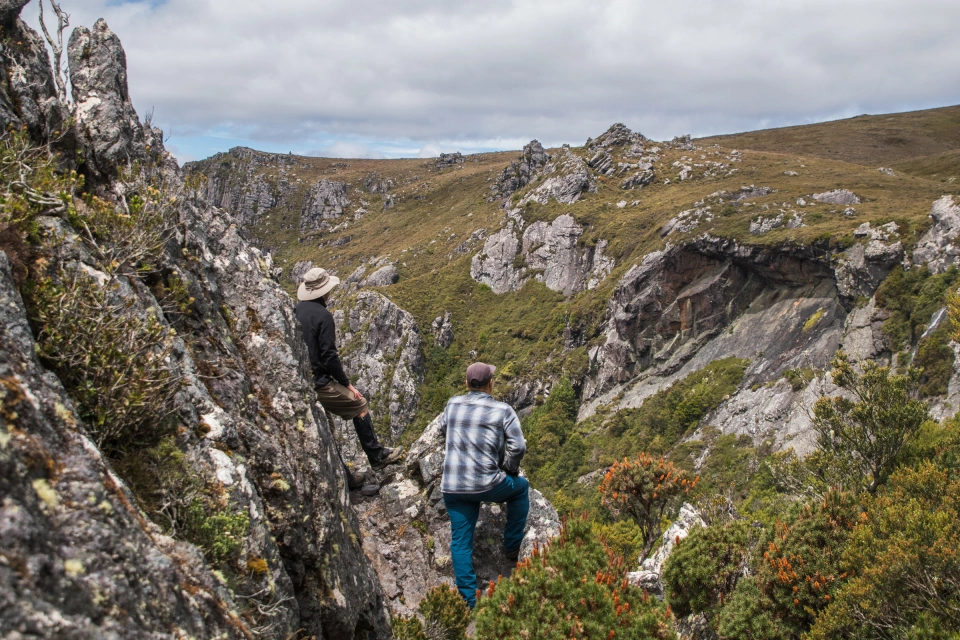
Coast to Cradle Wild Country: The Film
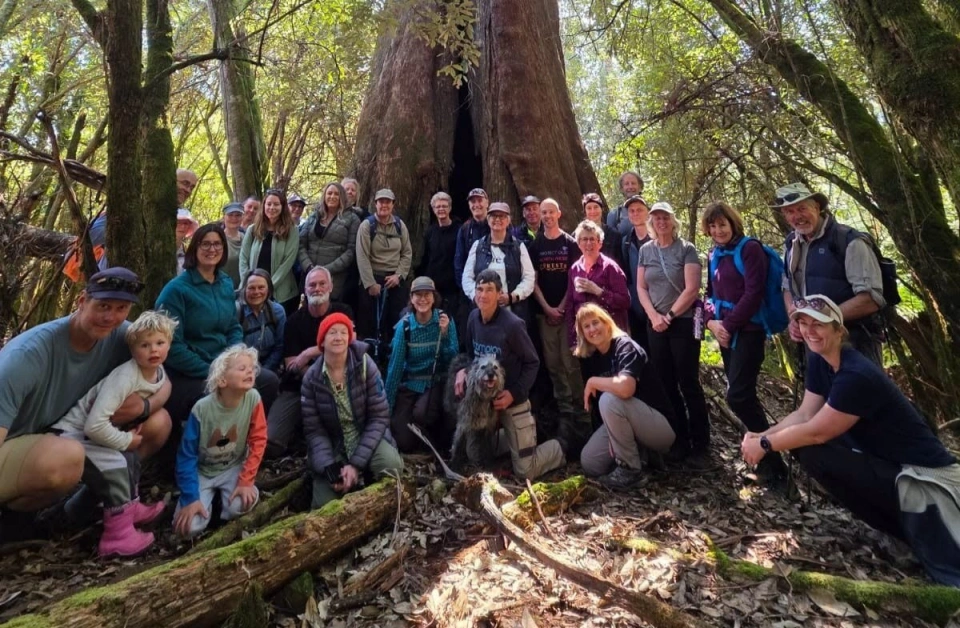
Central coast community coming together to for a day outside: Coast to Cradle Nature Open Days
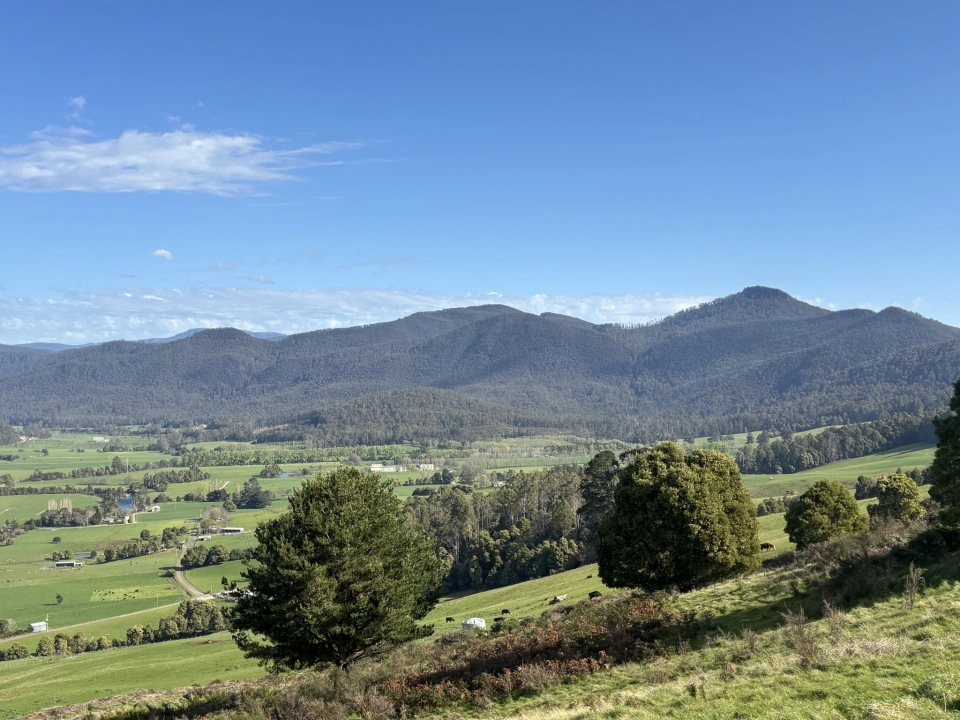
Loyetea Range Karst Landscape in the Coast to Cradle Wild Country
Newsletter
Sign up to keep in touch with articles, updates, events or news from Kuno, your platform for nature