
${ statusMessage }
The fascinating beaches of Bruny


The fascinating beaches of Bruny
The real fascination with this place, Bruny, is, it’s an island, with this incredibly varied coastal environment. With wild ocean facing beaches, to s...
Read more
Why are beaches curved?


Why are beaches curved?
It seems like such a simple question, “why does a beach have a curve on it?”. Yet even small beaches have a curve. This is because the energy of a bea...
Read more
Why is the sand finest at the top of a beach?

Why is the sand finest at the top of a beach?
When a waves come in, there is an enormous amount of energy, but it loses that energy as it sweeps up the beach, dropping heavier particles first and ...
Read more
Protecting shorebirds on Bruny Island
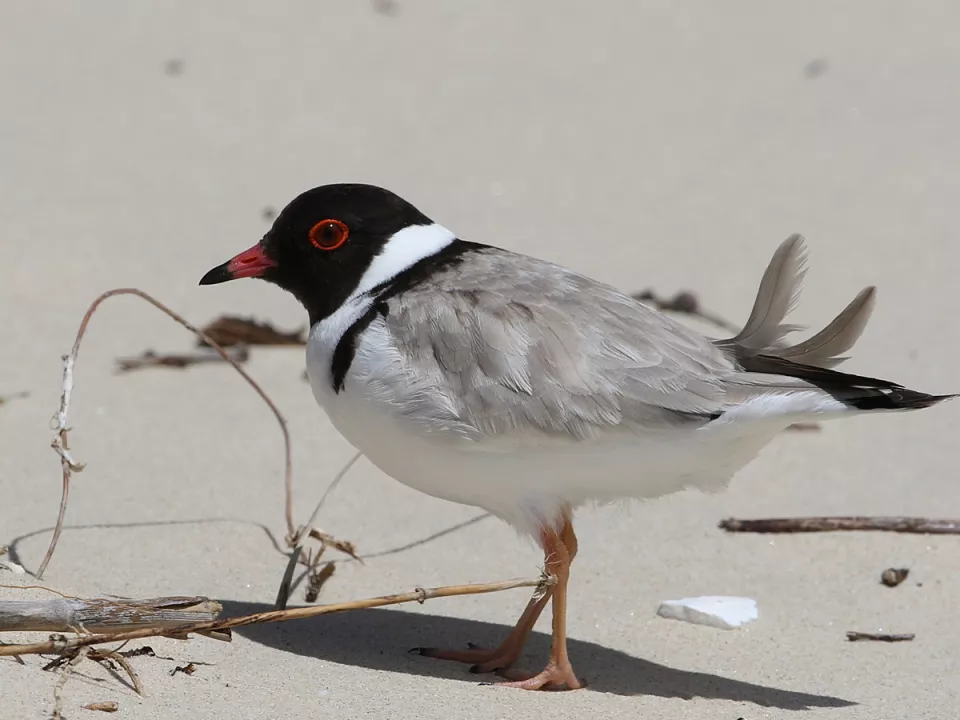
Protecting shorebirds on Bruny Island
Protecting beach birds is not just about focussing on where they might be when they’re breeding. Its about saying – “these birds occupy many beaches”.
Read more
Ecology of the Neck


Ecology of the Neck
The neck is just such an incredibly diverse place. From the productive marine environment of Simpson's bay with rich shallow marine fauna, to the many...
Read more
Birds playing in wind at the neck


Birds playing in wind at the neck
You quite often see birds, particularly the Pacific Gulls and the New Zealand Kelp Gulls using the wind running over the sand dune at the neck to play...
Read more
A colony of Swans moves into Bruny Island

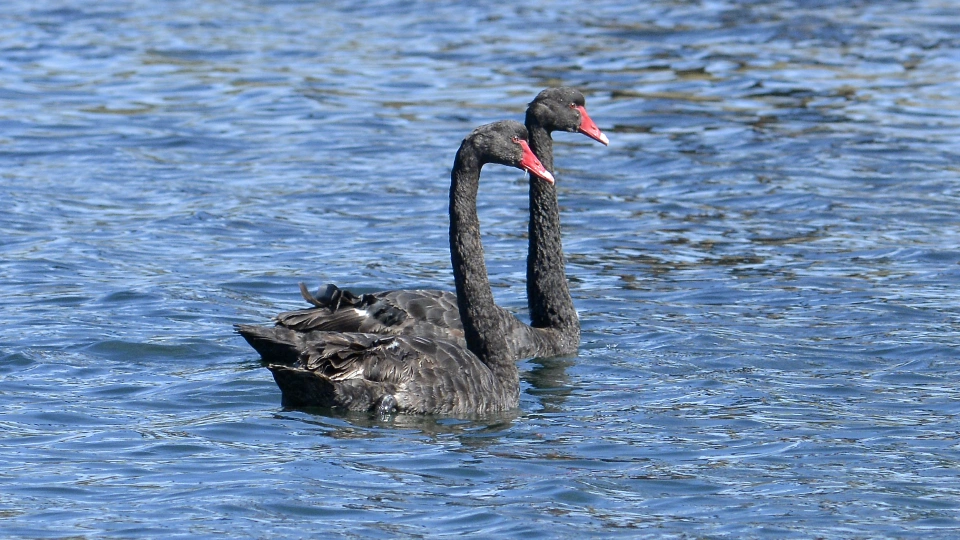
A colony of Swans moves into Bruny Island
Local naturalist Bob Graham observations on a colony of Swans that moved into Adventure Bay and then thrived over the past 25 years.
Read more
Bruny - two islands joined by a Tombolo?


Bruny - two islands joined by a Tombolo?
There is a theory that Bruny Island used to actually be two separate islands that became joined over time by a 'tombolo' - a narrow sandy isthmus that...
Read more
Contrasting beaches at the Neck

Contrasting beaches at the Neck
There are two incredibly different coastal environments to the west and the east of the neck, as explained here by geographer and naturalist, Bob Grah...
Read more
Raptors on Bruny Island


Raptors on Bruny Island
Bruny Island has a splendid array of raptors, from Boobook owls to Peregrine falcons, Hobbys and the magnificent White-Bellied Sea Eagle and Wedge-Tai...
Read more
Love of Bruny

Love of Bruny
Bruny Island is like a portal into the ecological past of Australia. It is just magical living on Bruny Island
Read more
Myrtles, a gondwanic relic on Bruny

Myrtles, a gondwanic relic on Bruny
The myrtle is an ancient relic of Gondwanaland, that on Bruny Island can be found close to sea level
Read more