
The dynamic interaction between people and place
Kunanyi - Mount Wellington
And that interaction is really, really important. Some people say that what we don't love, we don't protect. I would go even further than that and say that accessibility has a number of dimensions. We've got to get out into it. We've got to have access. We've got to experience it. We've also got to understand it. And then basically we've got to learn to love all that. That only happens if we maximise the possibility for interaction.
So we need to preserve the mountain and the beauty that we want to interact with, but at the same time provide opportunity for that interaction to happen. That means we've got to provide access, it means we've got to provide opportunities to experience it, and we've got to provide information so people understand what they're looking at and understand what they're experiencing.
So we've got to get lots of people out there, and we've got to balance this beautiful place with the people who need to protect it and love it. And I'm confident that that can be done.

The great thing about Mt Wellington is that you can go up there once a week, once a fortnight, once a month and experience it. If you live in Hobart you have this connection where you look up dozens of times a day and each time you see the mountain it resonates with that experience you had the week before, or the fortnight before.
So you've got this dynamic interaction that's going on as we relive those memories.
We look up and anticipate the joy that's going to happen next weekend or the one after or whenever the weather clears.
So it's just this interaction between the people and nature, and it’s happening constantly because of the privilege of where we live.

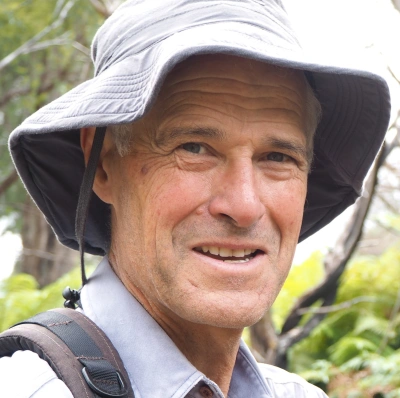
Martin Stone
And that interaction is really, really important. Some people say that what we don't love, we don't protect. I would go even further than that and say that accessibility has a number of dimensions. We've got to get out into it. We've got to have access. We've got to experience it. We've also got to understand it. And then basically we've got to learn to love all that. That only happens if we maximise the possibility for interaction.
So we need to preserve the mountain and the beauty that we want to interact with, but at the same time provide opportunity for that interaction to happen. That means we've got to provide access, it means we've got to provide opportunities to experience it, and we've got to provide information so people understand what they're looking at and understand what they're experiencing.
So we've got to get lots of people out there, and we've got to balance this beautiful place with the people who need to protect it and love it. And I'm confident that that can be done.
The great thing about Mt Wellington is that you can go up there once a week, once a fortnight, once a month and experience it. If you live in Hobart you have this connection where you look up dozens of times a day and each time you see the mountain it resonates with that experience you had the week before, or the fortnight before.
So you've got this dynamic interaction that's going on as we relive those memories.
We look up and anticipate the joy that's going to happen next weekend or the one after or whenever the weather clears.
So it's just this interaction between the people and nature, and it’s happening constantly because of the privilege of where we live.
You might like...
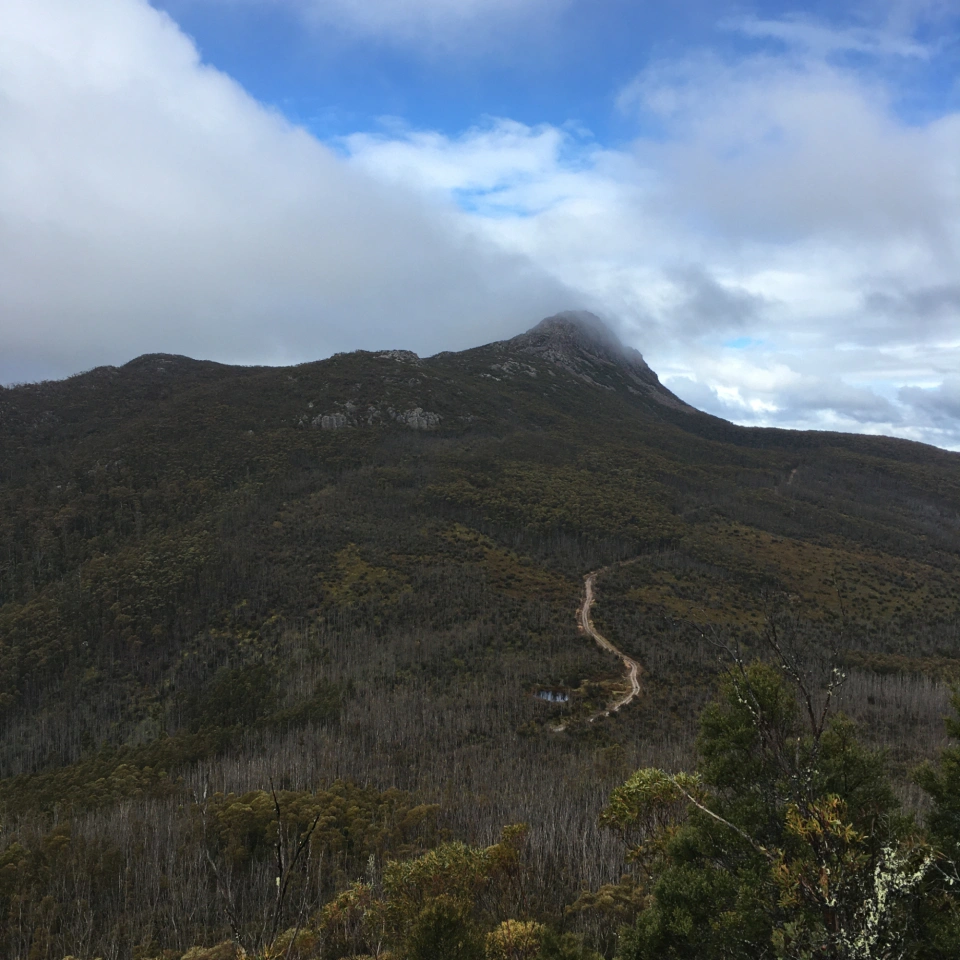
The mountain helped me through a hard time
Newsletter
Sign up to keep in touch with articles, updates, events or news from Kuno, your platform for nature