
Nature. Be in it: creating space for kids to learn through nature and play
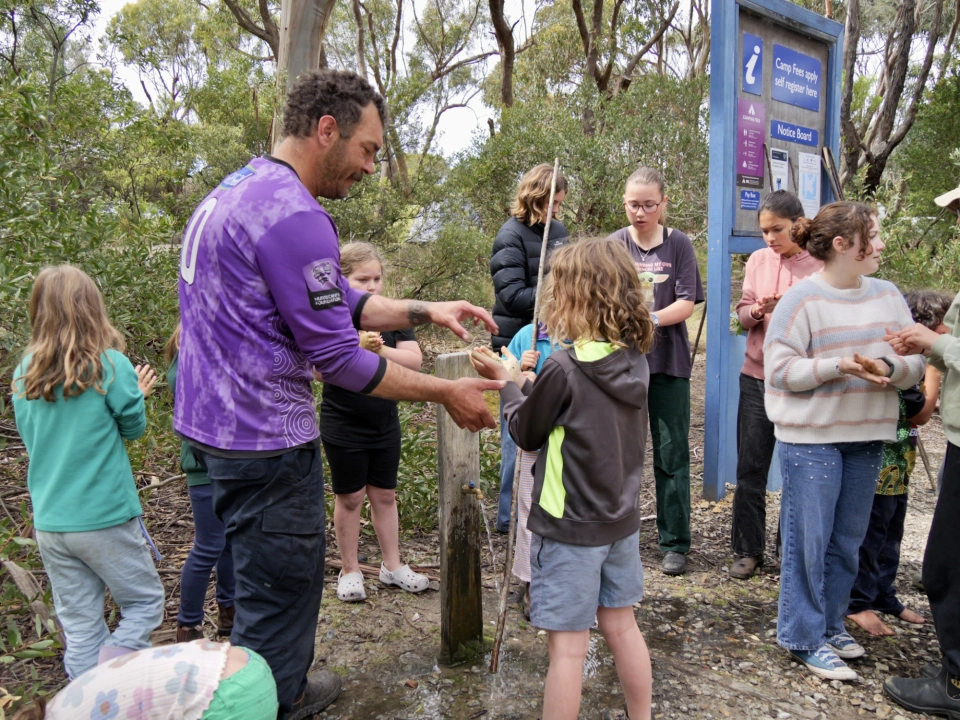
Nature. Be in it. is an advocate for child-led, play based learning outside. They design and facilitate programs for all education settings, kids and grown ups. At the core of their work is connection to nature, and allowing space for kids to play and explore using their own minds and bodies, freedom and imagination.
An Australian study found that 1 in 20 children do not leave home to play, and that 1 in 4 children have never climbed a tree. What used to be common childhood experiences, like getting your clothes dirty with mud, catching bugs and roaming free in the local neighborhood outside of the parents’ peripheral, is no longer a reality for many children growing up today. This is what drove Kara Spence to found Nature. Be in it.
With a background as both a park ranger and teacher, Kara wanted to create a space for kids to take risks, get dirty and use their imagination by playing in nature.
When she asks the students she works with what they like about nature play, the answers often fit into categories of freedom, choice, building and creating.
“At the play equipment, you have to do the same thing over and over again, and here we can make it our own, and it changes every time”, one student says.

That freedom to shape their own environment is central to nature play.
Rather than following a set activity or using equipment in a prescribed way, children can decide what interests them, how they want to explore it and what they want to create.
In the process, learning happens almost as a by-product of play.
“They don’t realise they’re learning when they’re outside, but there’s a huge amount of learning. Especially with skills, cooperation, resilience, courage, risk taking. But also through science and geography. So they don’t necessarily realise that they are learning. And they’re driving their own learning. So outside they can personalise their own learning environment in ways that is very hard to do in the classroom”, says Kara.

*All picture provided by Nature. Be in it.
Nature. Be in it. is an advocate for child-led, play based learning outside. They design and facilitate programs for all education settings, kids and grown ups. At the core of their work is connection to nature, and allowing space for kids to play and explore using their own minds and bodies, freedom and imagination.
An Australian study found that 1 in 20 children do not leave home to play, and that 1 in 4 children have never climbed a tree. What used to be common childhood experiences, like getting your clothes dirty with mud, catching bugs and roaming free in the local neighborhood outside of the parents’ peripheral, is no longer a reality for many children growing up today. This is what drove Kara Spence to found Nature. Be in it.
With a background as both a park ranger and teacher, Kara wanted to create a space for kids to take risks, get dirty and use their imagination by playing in nature.
When she asks the students she works with what they like about nature play, the answers often fit into categories of freedom, choice, building and creating.
“At the play equipment, you have to do the same thing over and over again, and here we can make it our own, and it changes every time”, one student says.
That freedom to shape their own environment is central to nature play.
Rather than following a set activity or using equipment in a prescribed way, children can decide what interests them, how they want to explore it and what they want to create.
In the process, learning happens almost as a by-product of play.
“They don’t realise they’re learning when they’re outside, but there’s a huge amount of learning. Especially with skills, cooperation, resilience, courage, risk taking. But also through science and geography. So they don’t necessarily realise that they are learning. And they’re driving their own learning. So outside they can personalise their own learning environment in ways that is very hard to do in the classroom”, says Kara.
*All picture provided by Nature. Be in it.
You might like...
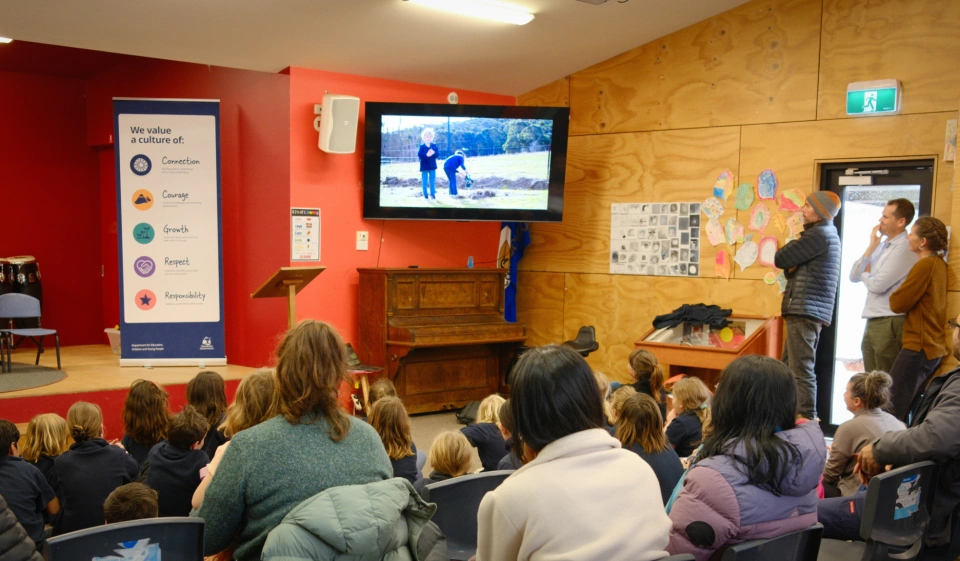
Bruny Kids & Nature film: Pardalote Patch
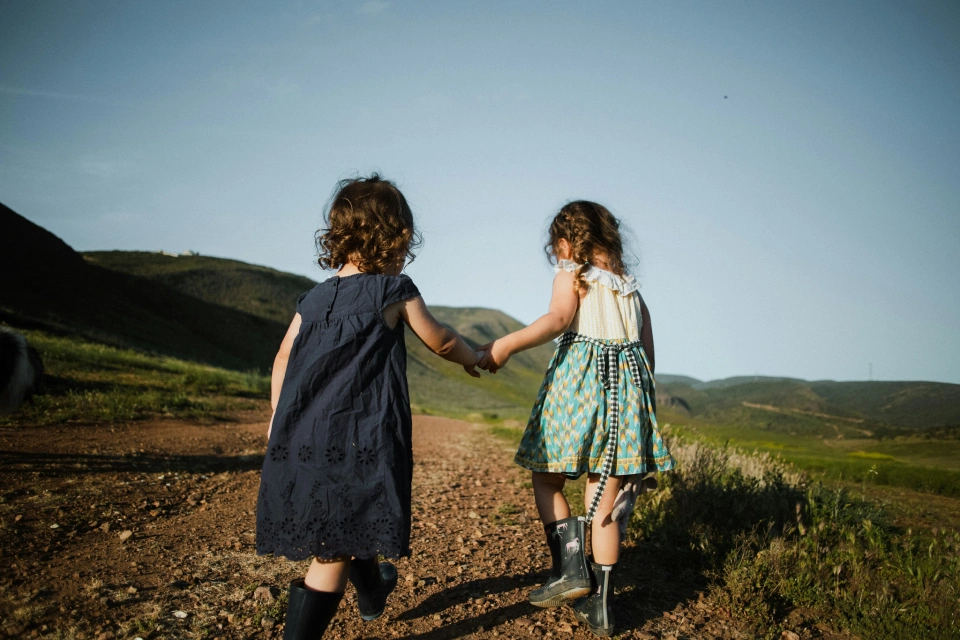
Our responsibility to bring children into nature
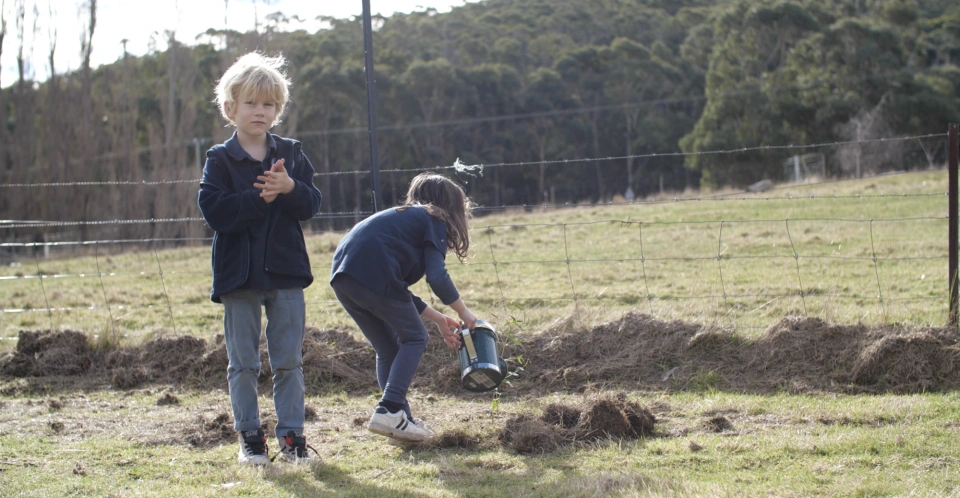
How do you connect with Nature?
Connection to Country with Danny Gardner
Newsletter
Sign up to keep in touch with articles, updates, events or news from Kuno, your platform for nature