
Fighting for equality in the canopy
From research gap to research hub
In October 2023, the Tree Projects attended the International Canopy Conference in China. Not a single presentation was delivered by West African scientists. Acknowledgeding this research gap, the Tree Projects began working towards providing training expeditions, which resulted in two projects in Ghana in 2024 and 2025.
A research gap can be described in many ways. This gap is a geographical area that has not had the same level of academic attention as other regions with equalivent forest makeup. Geographical remoteness is often combined with economic ability as the two primary reasons why science and research can sometimes be deprioritised. When it comes to canopy science it is the availability and cost of expert training, physical difficulty of access and the cost of professional equipment that is fit for purpose.

Supporting independent canopy research
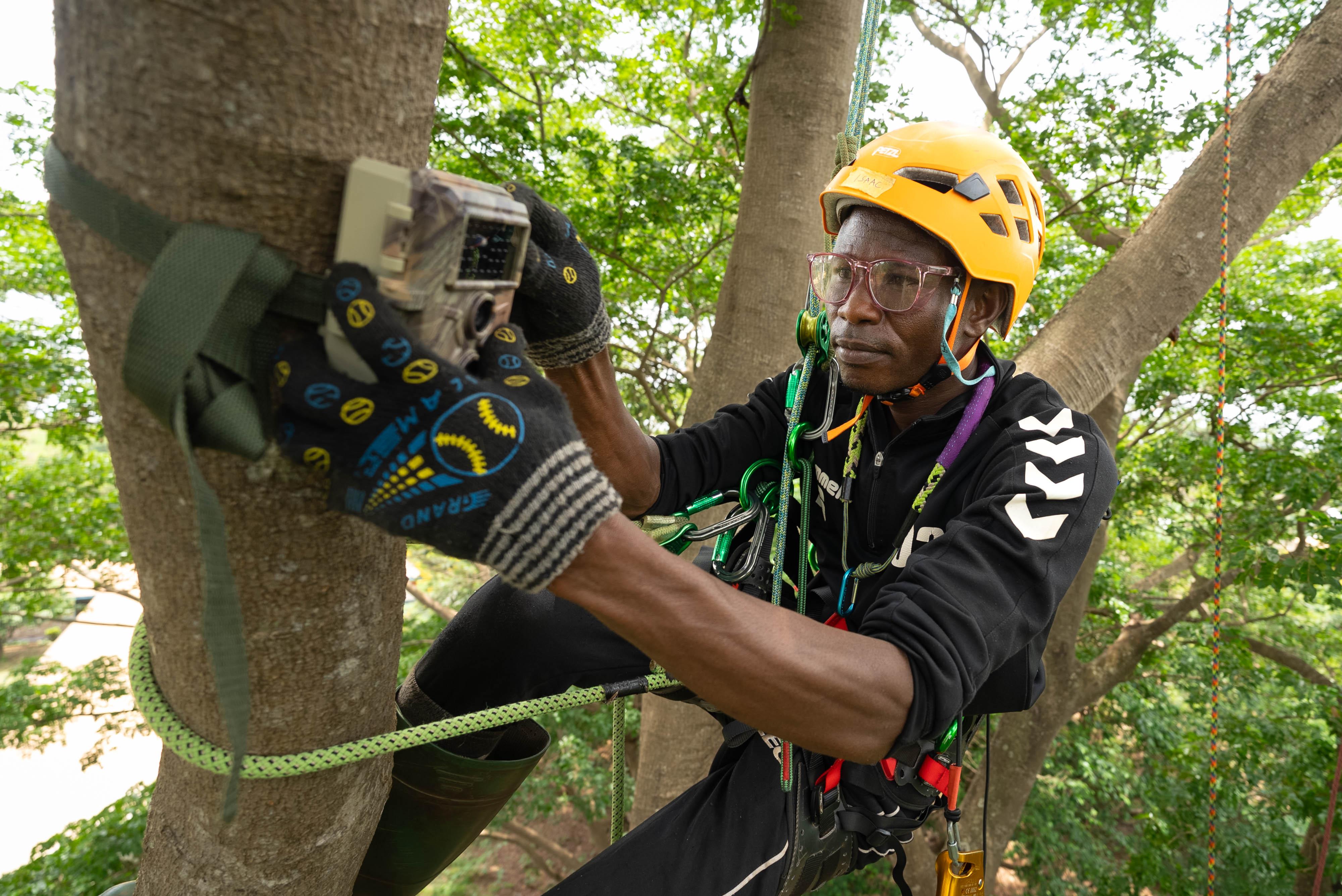
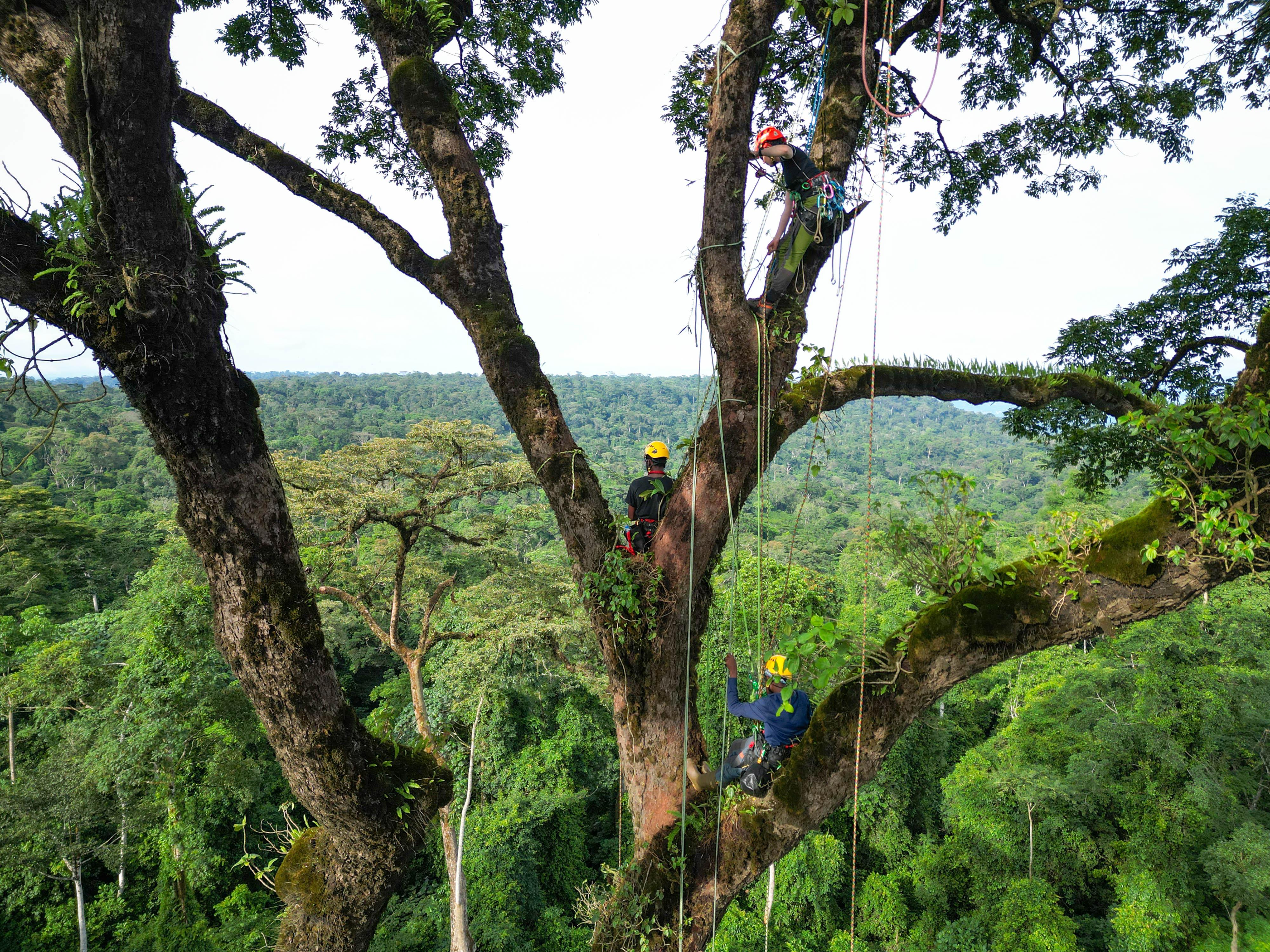
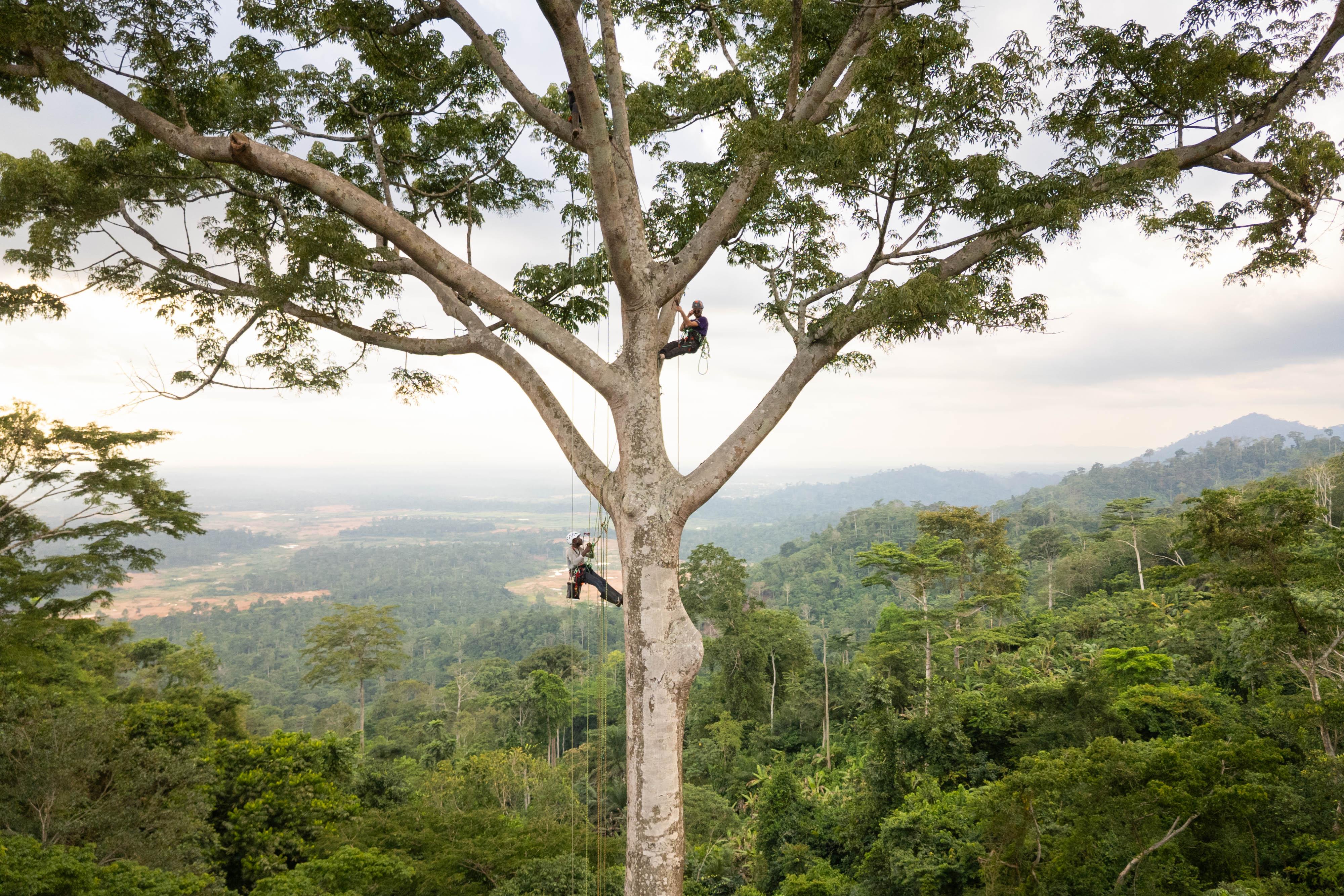
The Tree Projects training expeditions provides scientists with the skills and knowledge to safely access tree canopies using climbing techniques and modern arboricultural methods. The project also donates climbing and research equipment, to bridge the inequality gap in research and open up possibilites for groundbreaking new discoveries.
To illustrate some of the economic challenges contributing to the research divide, the price of one carabiner, about AUD $50, is equivalent to 28 days of full time work in Ghana. This simple comparison sheds light on the vast economic inequalities that can limit motivated researchers.
Ghana Project 2025
“This is so that African scientists can take a self-determined pathway, and answer the questions that they think are most important. Go into the research areas that they feel are of priority.” - Bismark Ofosu-Bamfo, Project Coordinator, Ghana
Ghana Project 2024
A real success story
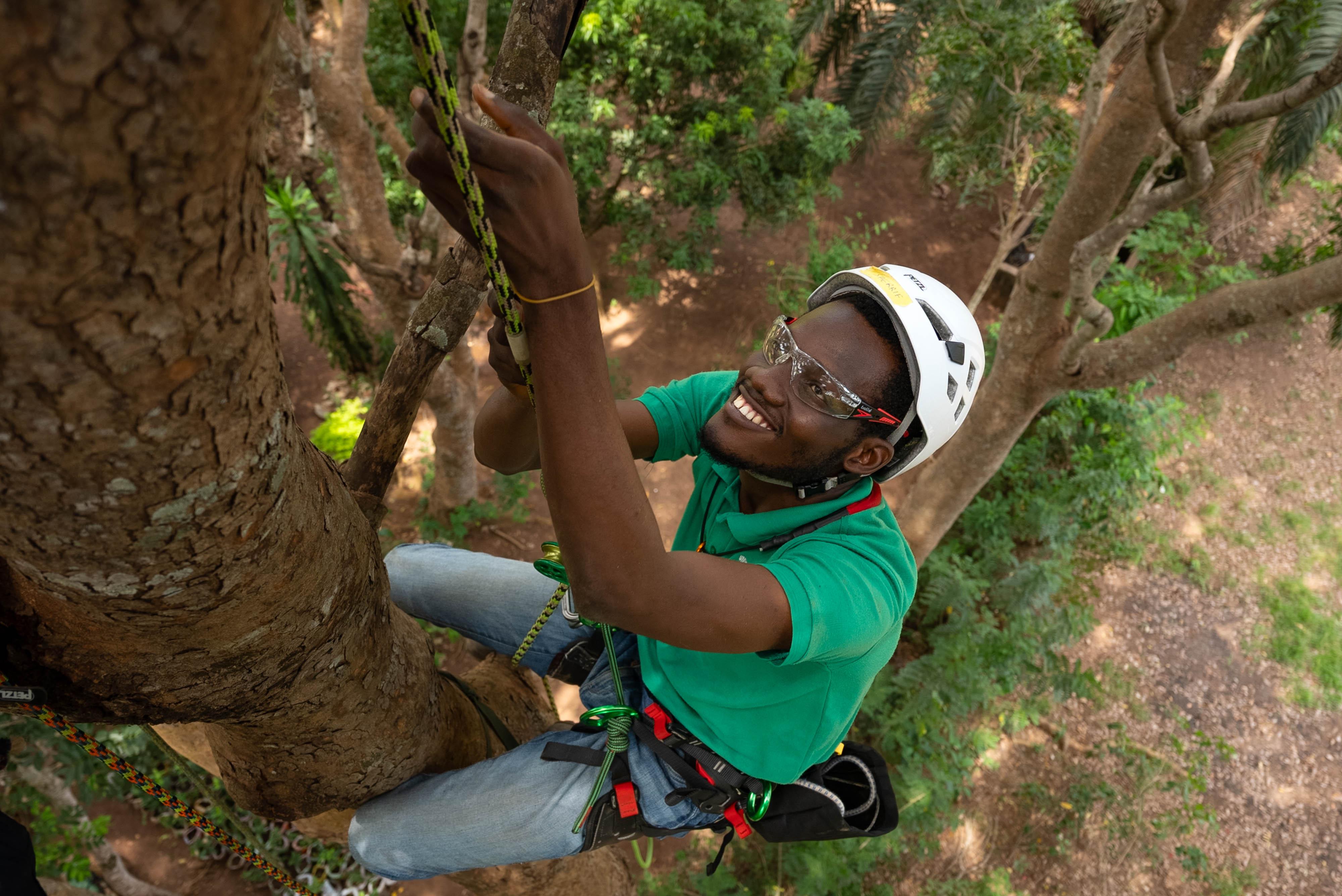
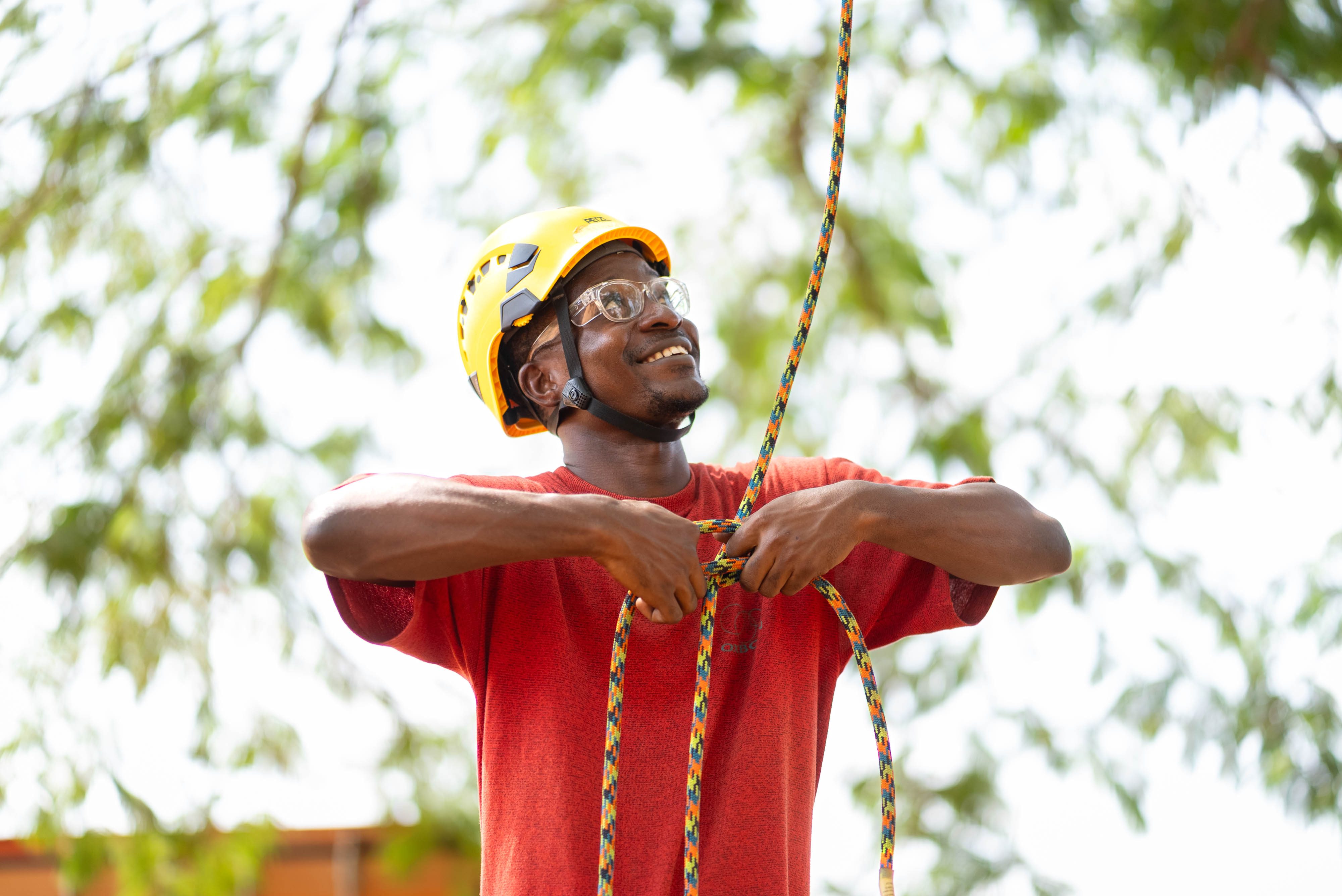
"The overwhelming enthusiasm of the participants was the true driving force behind the project’s success. None of them arrived as extreme athletes, nor did they have prior rope work or working-at-height experience. This meant we faced a significant challenge: guiding a group of complete beginners to become comfortable, competent, and confident in the forest canopy in just nine days of training."
"What followed was as inspiring for our team as it was for the students. Their determination, curiosity, and willingness to push beyond their comfort zones transformed the experience into something far greater than a training program."

Building on the achievements of the 2024 and 2025 Ghana projects, The Tree Projects is now working to help establish an East African canopy research hub in Rwanda.
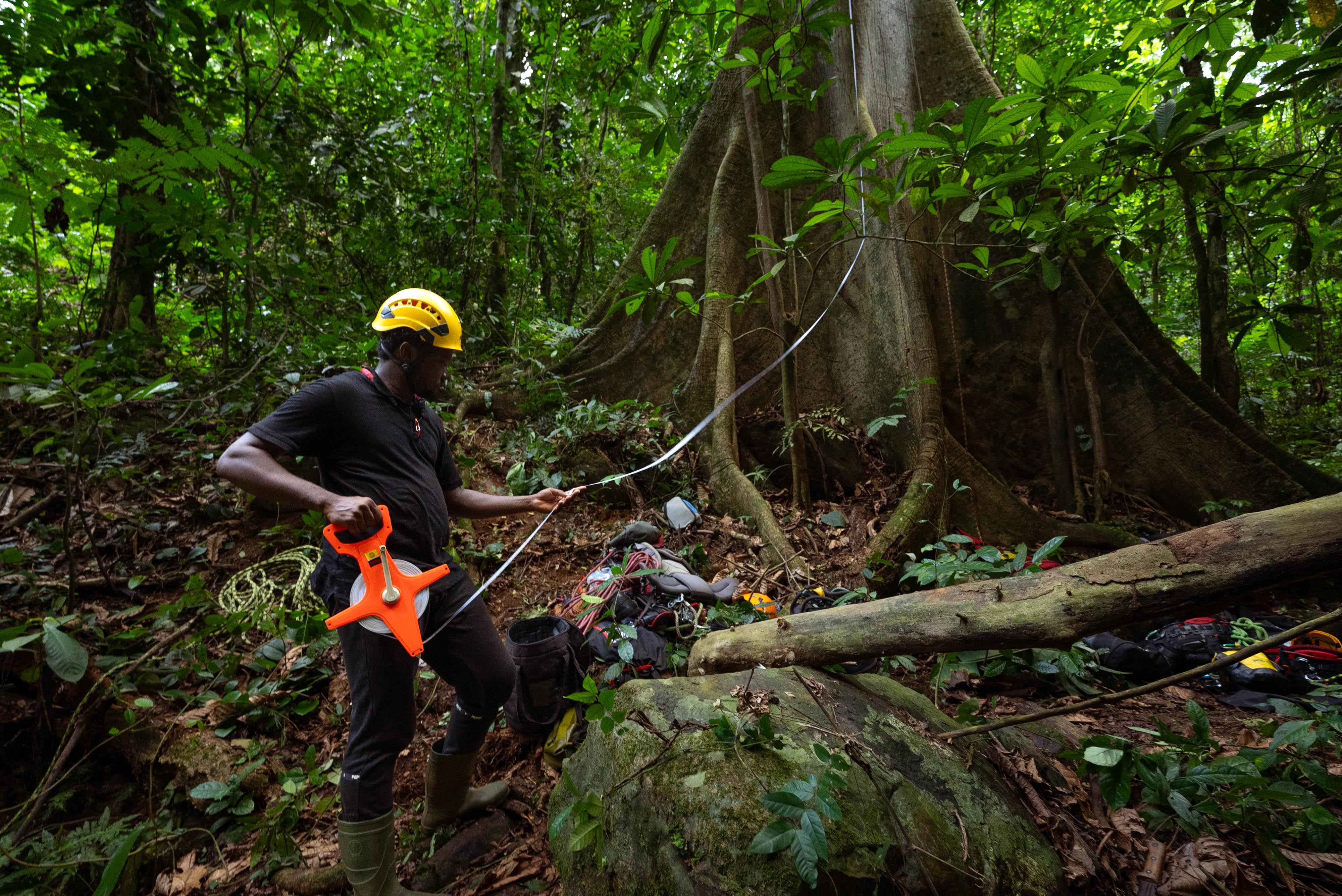
Rwanda’s trees and forests are central to the country’s remarkable ecology and rich biodiversity. Of particular note are its significant forest ecosystems, especially in montane regions such as Nyungwe Forest National Park.
Your donation will support the purchase of research sensors, devices, and recording equipment. These tools will enable young Rwandan scientists to quantify Rwanda’s largely unexplored canopy ecology in new ways.
From research gap to research hub
In October 2023, the Tree Projects attended the International Canopy Conference in China. Not a single presentation was delivered by West African scientists. Acknowledgeding this research gap, the Tree Projects began working towards providing training expeditions, which resulted in two projects in Ghana in 2024 and 2025.
A research gap can be described in many ways. This gap is a geographical area that has not had the same level of academic attention as other regions with equalivent forest makeup. Geographical remoteness is often combined with economic ability as the two primary reasons why science and research can sometimes be deprioritised. When it comes to canopy science it is the availability and cost of expert training, physical difficulty of access and the cost of professional equipment that is fit for purpose.
Supporting independent canopy research
The Tree Projects training expeditions provides scientists with the skills and knowledge to safely access tree canopies using climbing techniques and modern arboricultural methods. The project also donates climbing and research equipment, to bridge the inequality gap in research and open up possibilites for groundbreaking new discoveries.
To illustrate some of the economic challenges contributing to the research divide, the price of one carabiner, about AUD $50, is equivalent to 28 days of full time work in Ghana. This simple comparison sheds light on the vast economic inequalities that can limit motivated researchers.
Ghana Project 2025
“This is so that African scientists can take a self-determined pathway, and answer the questions that they think are most important. Go into the research areas that they feel are of priority.” - Bismark Ofosu-Bamfo, Project Coordinator, Ghana
Ghana Project 2024
A real success story
"The overwhelming enthusiasm of the participants was the true driving force behind the project’s success. None of them arrived as extreme athletes, nor did they have prior rope work or working-at-height experience. This meant we faced a significant challenge: guiding a group of complete beginners to become comfortable, competent, and confident in the forest canopy in just nine days of training."
"What followed was as inspiring for our team as it was for the students. Their determination, curiosity, and willingness to push beyond their comfort zones transformed the experience into something far greater than a training program."
Building on the achievements of the 2024 and 2025 Ghana projects, The Tree Projects is now working to help establish an East African canopy research hub in Rwanda.
Rwanda’s trees and forests are central to the country’s remarkable ecology and rich biodiversity. Of particular note are its significant forest ecosystems, especially in montane regions such as Nyungwe Forest National Park.
Your donation will support the purchase of research sensors, devices, and recording equipment. These tools will enable young Rwandan scientists to quantify Rwanda’s largely unexplored canopy ecology in new ways.
Love what you're reading? Support The Tree Projects donate to support them now
Donate hereYou might like...

Forests critical for Climate and Biodiversity Protection

Guardians of the Forest
Walk for Wildlife: Circumnavigating the Northwest Panay Peninsula on Foot
Reconnecting with Nature: The Power of Children Planting Trees for Endangered Species
Newsletter
Sign up to keep in touch with articles, updates, events or news from Kuno, your platform for nature